Last updated November 4, 2026
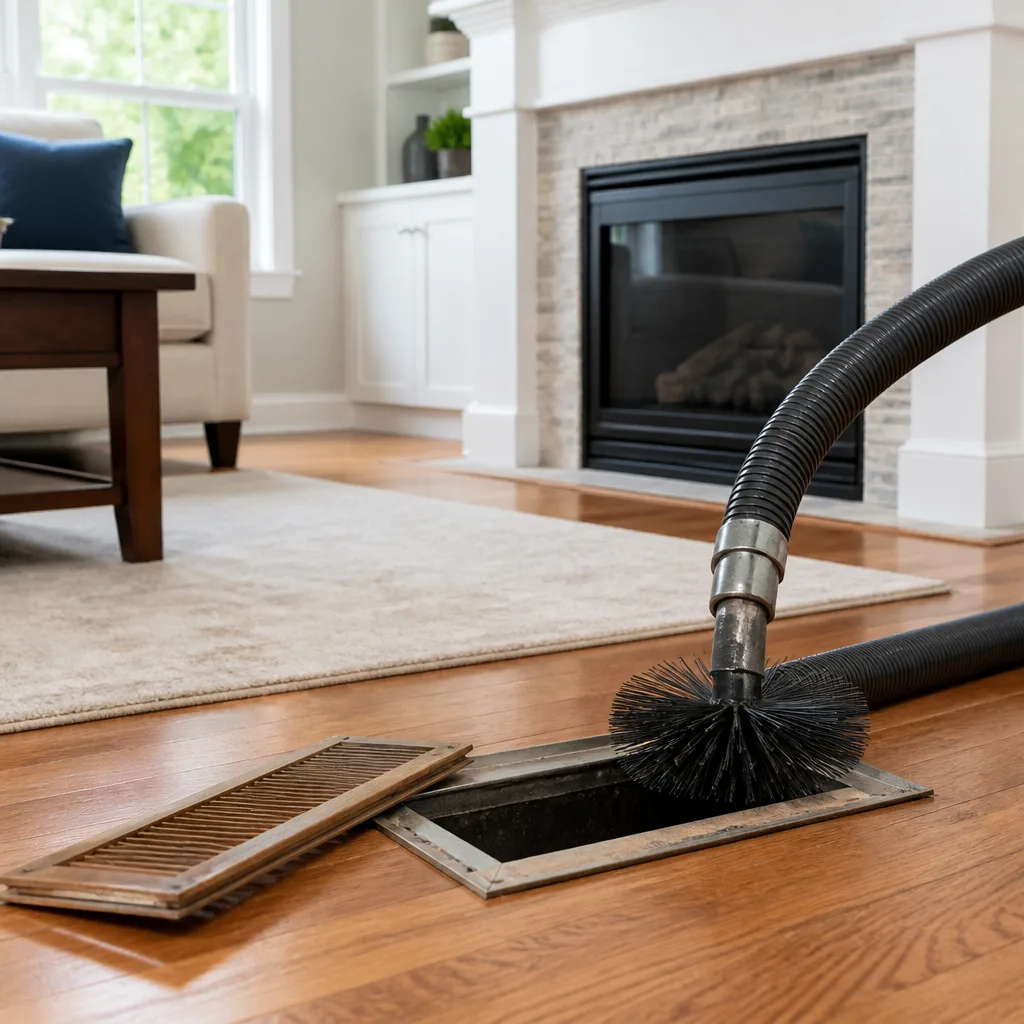 Whole-home duct cleaning
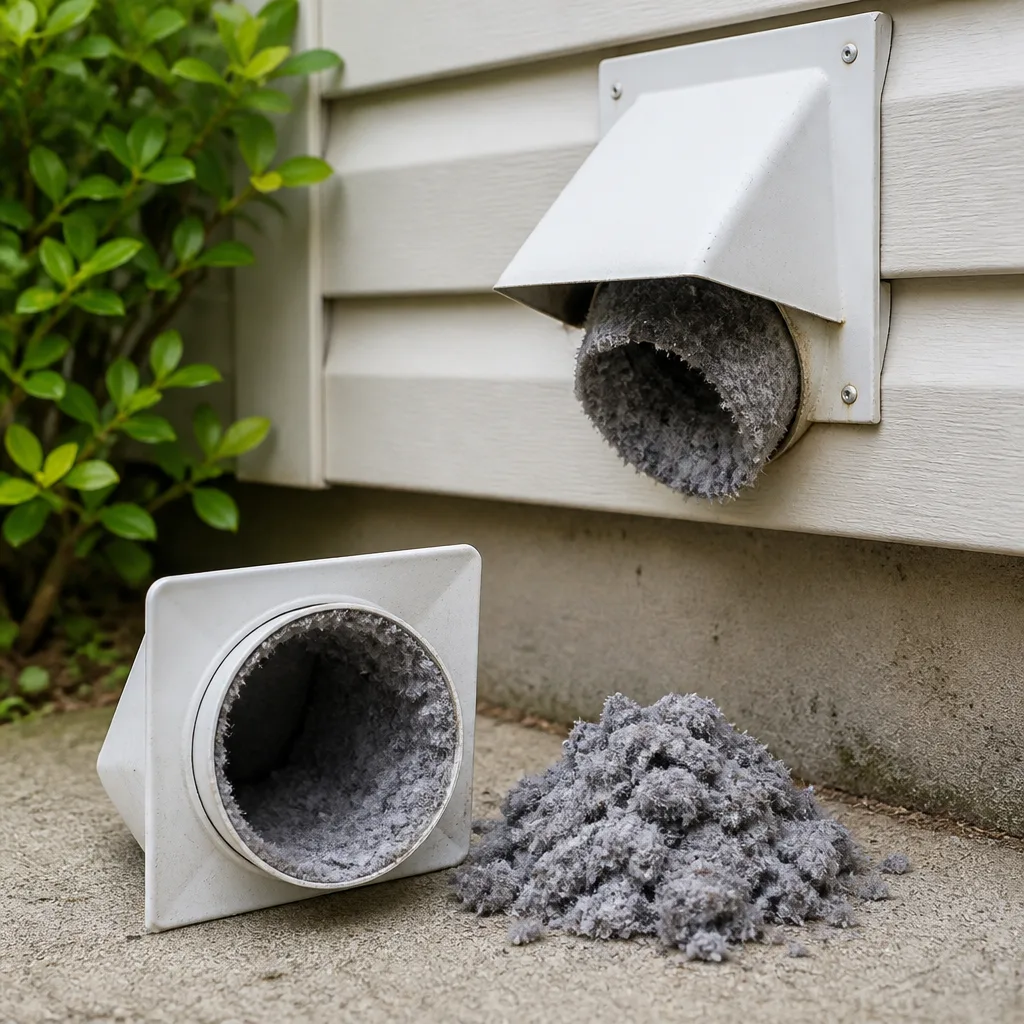 Dryer vent cleaning
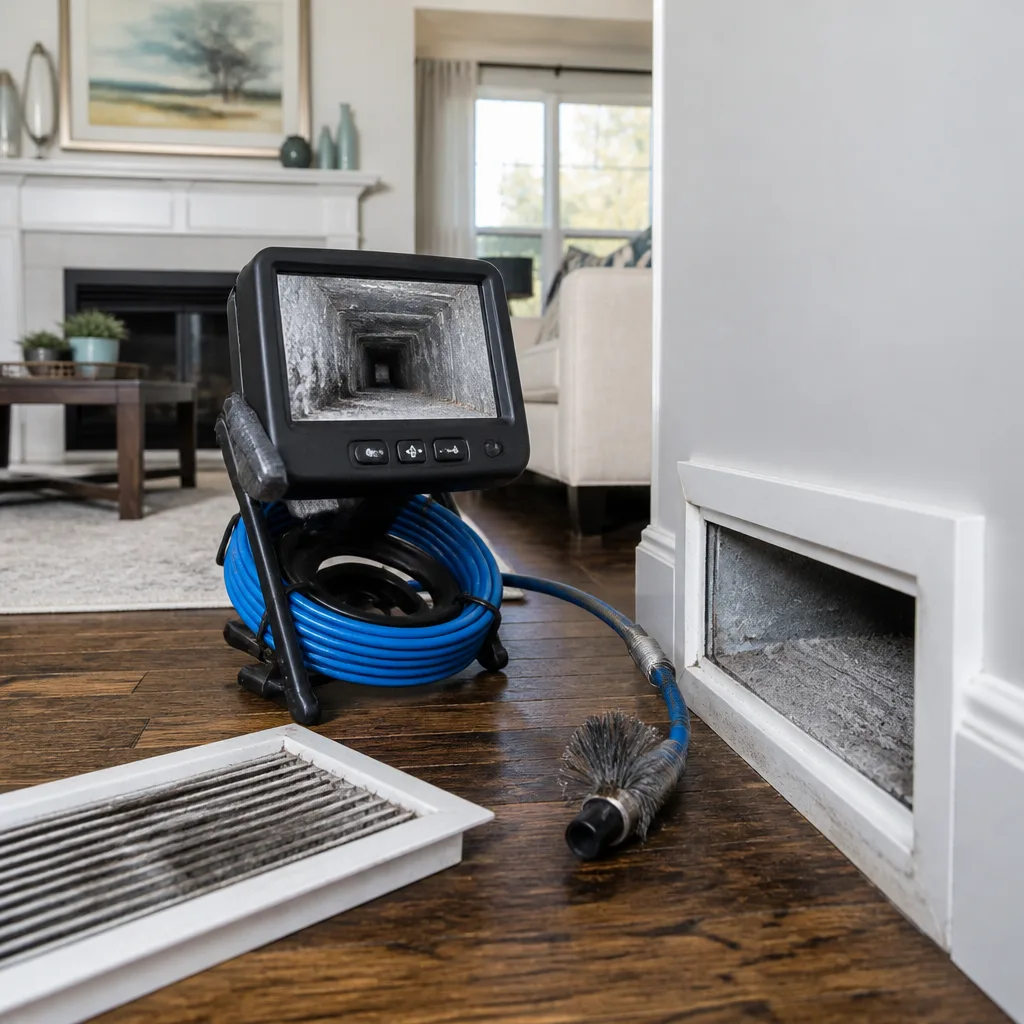 Camera inspection
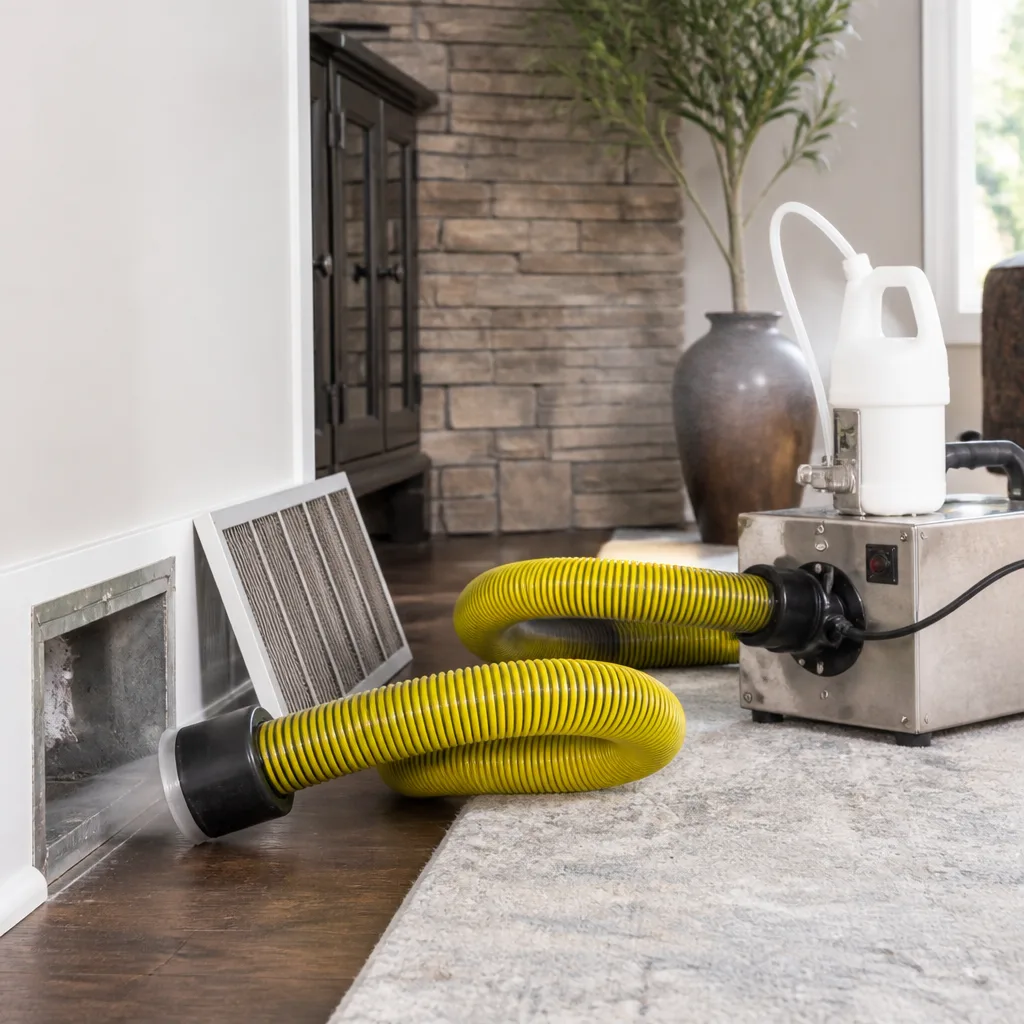 Sanitizing & deodorizing
Whole-system duct and dryer vent check with before-and-after photos - you see exactly what came out of your vents
That "$99 whole-house special" is a bait ad - the real number appears once they are in your hallway, or the "clean" is a shop-vac at the register. We photograph the inside of your ducts before and after instead.
Choosing the Right Air Duct Cleaning Brand: A Buyer’s Guide for Buena Park
Most homeowners in Buena Park start their search by asking which brand of air duct cleaning company to hire. That’s the wrong question. A recognizable franchise name does not tell you what machine will pull up to your house, who will operate it, or whether the crew actually removes the debris from your system or just stirs it around. What actually separates a thorough cleaning from a surface pass is operational capability: the specific equipment owned on-site, the training depth of the people running it, and the scope of work the company is set up to handle when they find something broken. This guide walks through how to evaluate those factors so you can choose a duct cleaning provider in Buena Park with confidence.
Styles & brands we work with
- Whole-home duct cleaning
- Dryer vent cleaning
- Camera inspection
- Sanitizing & deodorizing
Quick Answer
The best air duct cleaning company in Buena Park is not defined by a franchise logo. It is defined by professional-grade, contact-based equipment like Rotobrush and Nikro systems, a scope of work that covers the full duct system including dryer vents and duct repair, and a quote process that lets you verify the work was done. Evaluate the machinery and the technician’s depth of knowledge, not the brand name on the van.
Table of Contents
- Why Equipment Matters More Than Brand
- Truck-Mount vs. Portable: What the Machine Actually Does
- Contact Vacuum vs. Air Sweep: Two Different Jobs
- Local Buena Park Operator vs. National Franchise
- Evaluating Technical Credibility Before They Arrive
- Why Specialization Beats the Generalist Add-On
- Three Questions That Separate Specialists from Generalists
- Verification: How You Know the Work Was Actually Done
Why Equipment Matters More Than Brand
The franchise model is built on consistency of process, but duct cleaning is a trade where the process lives in the equipment and the hands running it. A national brand can operate with a franchise agreement that specifies a minimum equipment standard, but the actual rig dispatched to a home in Buena Park depends on what that individual franchise owner invested in. Some run professional truck-mounted vacuum systems. Others run portable units that are closer to a shop vac with a rotating brush. Both can wear the same logo.
We use Rotobrush and Nikro systems on every job. These are purpose-built, contact-based duct cleaning machines. They are not consumer-grade equipment, and they are not what you rent from a home improvement store. Restoration and IAQ contractors run this same class of machinery when they need to remove particulate from a duct system after a fire, a flood, or a contamination event. The machine physically contacts the duct surface and agitates debris loose while negative pressure pulls it out of the system and into a HEPA-filtered collection chamber. That is a specific mechanical process, and it is the process that determines whether the inside of your ducts is actually cleaner when the job is done.
When a franchise name is the only thing you know about a company, you do not know what class of equipment is coming. When a local operator shows you the machine, explains the airflow path, and walks you through what they will do at each register, you can evaluate the actual service. That distinction is the core of this guide.
Truck-Mount vs. Portable: What the Machine Actually Does
A truck-mounted duct cleaning system uses a powerful vacuum unit mounted in the vehicle, typically driven by the truck’s engine or a dedicated power source. The suction is routed into your home through a large-diameter hose, usually 8 to 12 inches, which connects to your main trunk line. Because the vacuum motor and collection chamber stay outside, the truck-mounted unit can generate significantly more negative pressure than anything you can carry inside. The debris is pulled through the system, out the hose, and into a sealed container on the truck. Nothing re-enters your living space.
A portable unit gets carried into your home and operates at 120 volts from a standard outlet. That limits how much airflow it can generate. Some portable units are genuinely professional and do solid work in certain access situations, but the physics are what they are: a 15-amp household circuit cannot drive the same motor as a truck engine. Portable units are also more likely to rely on a smaller hose diameter, which reduces the cross-sectional airflow at the collection point.
For most single-family homes in Buena Park, a truck-mounted system is the right tool. It has the suction to pull the full length of a duct run, and it keeps the noisy, dirty part of the operation outside your home. When you call a company, ask directly what class of vacuum they run and where the collection chamber sits during the job. If they cannot answer that question clearly, they are not the crew you want inside your ductwork.
Contact Vacuum vs. Air Sweep: Two Different Jobs
There are two fundamentally different methods used in the duct cleaning industry, and they are not interchangeable. Understanding the difference is the single most useful thing you can learn before calling a contractor in Buena Park.
A contact vacuum system uses a rotating brush or agitation device inserted through each duct opening. The brush head physically touches the interior surfaces of the duct, mechanically dislodging the film of dust, skin cells, pet dander, and household particulate that accumulates over years of HVAC operation. The loosened material is pulled into the vacuum airstream and removed from the home. This is how Rotobrush and Nikro systems work. The key word is contact – something touches every square inch of the duct interior.
An air sweep method uses high-pressure air blown through the registers to push debris toward a vacuum collection point. The problem is obvious when you think about it for ten seconds: air can dislodge loose, light debris, but it does not remove the sticky, adhered film that builds up on duct surfaces. Much of what is in your ducts is not loose dust bunnies. It is a bonded layer of fine particulate that requires mechanical agitation to remove. An air sweep leaves that layer in place, which means the duct looks pink or gray through a camera after the job instead of clean galvanized metal.
Not all brushes are equal, and not all contact systems treat the duct the same way. Ask what the brush head looks like, how it rotates, and whether the technician runs it the full length of every trunk and branch line. The equipment is the service. If the machine is a contact system, the work is real. If it is an air sweep, you are paying for a partial job.
Local Buena Park Operator vs. National Franchise
A local Buena Park operator and a national franchise are playing two different games. The franchise is building brand value at a corporate level. The local operator is building a reputation one house at a time in north Orange County. Neither approach is inherently better, but the incentives line up differently.
A local operator owns the equipment that shows up at your home. That creates a direct relationship between investment and outcome. When a company in Buena Park runs professional-grade Rotobrush and Nikro gear, that equipment represents a significant capital outlay. The owner bought it because it produces results, and because the company’s reputation depends on those results. There is no corporate office to hide behind. If the job is done poorly, the customer tells their neighbors, leaves a review, and the local business feels it immediately.
A franchise can mean several things in practice. Some franchises are owner-operated, with the local owner running professional equipment and taking the same pride in the work as any independent. Others are run as volume operations, with a rotating crew, aggressive marketing, and a price point built around operational efficiency rather than thoroughness. The brand name does not tell you which one you are getting.
Training depth matters here. A specialist operator in Buena Park who does duct cleaning, dryer vent cleaning, and duct repair every day has seen what happens in local homes: the way stucco construction affects attic access, how flat roofs route duct runs, what decades of Southern California particulate does to a return plenum. A franchise crew that also does carpet cleaning, tile work, and power washing may be competent at all of them, but depth is a real thing. When you hire a specialist, you are hiring repetition and pattern recognition.
Evaluating Technical Credibility Before They Arrive
Most companies make it easy to evaluate them before you ever schedule an estimate. The information is on the website, in the quote process, and in the way they answer your questions on the first call. Here is a structured approach:
- Look at what they name. A credential-rich website is generic. A website that names its equipment is specific. “Professional-grade tools” means nothing. “Rotobrush and Nikro systems” tells you exactly what is coming. A company that names its vacuum system, its brush equipment, and its awareness of filtration brands like Honeywell and Aprilaire is signaling that it operates in a technical world, not a marketing one.
- Check the service scope. Does the company do only duct cleaning, or does it also handle dryer vent cleaning and air duct repair? A three-scope provider that covers cleaning, dryer vents, and structural duct repair understands the whole system. A cleaning-only company that refers you out for damaged ductwork leaves you with a second estimate, a second scheduler, and a gap between jobs where your system is still compromised.
- Read the quote process. A credible company walks you through what they will do before they put a number on it. They ask about square footage, number of vents, access to the furnace, visible signs of contamination. They explain what the price includes. A company that gives you a per-vent price over the phone before anyone has seen the system is running a sales script, not a technical assessment.
- Ask about post-cleaning verification. How will you know the work was done? A company that offers before-and-after photos of your own duct interior, taken through the access points they actually used, is inviting verification. A company that hands you a checklist and waves goodbye is not.
Why Specialization Beats the Generalist Add-On
Air duct cleaning is a specialized trade. It is not a bolt-on service to an HVAC replacement, and it is not a side business for a carpet cleaner. The generalist approaches duct cleaning as an additional revenue stream. The specialist approaches it as the entire job.
Here is what that looks like in practice. A generalist HVAC company understands furnaces, condensing units, and refrigerant lines. That is valuable expertise, but duct cleaning requires a different focus: understanding negative pressure dynamics, knowing how to create proper access points in metal ductwork without compromising the system’s seal, recognizing what the debris composition tells you about the system’s history. The generalist might do a perfectly competent job, but they are likely to run a basic portable unit, not a contact-based system. The cleaning is the add-on, not the expertise.
A restoration company that offers duct cleaning as an add-on has a different profile. Restoration crews know contamination. They deal with smoke residue, water damage, and particulate that requires remediation-grade cleaning. That is a strong foundation. But a company that cleans ducts as a primary trade has a different relationship with the work: they see normal household systems every day, they have refined their process for the typical single-family home, and their pricing reflects routine cleaning rather than emergency mitigation.
The strongest position in Buena Park is the company whose core identity is the duct system itself. That means air duct cleaning, dryer vent cleaning, and air duct repair under one roof. When the company’s stated scope is the full system lifecycle – clean it, clear the exhaust path, fix the metal when it is crushed or disconnected – you are not hiring a generalist. You are hiring a specialist operation for whom ductwork is the entire job description.
Three Questions That Separate Specialists from Generalists
When you get a company on the phone or arrive at the estimate, these three questions cut through the sales language and reveal what kind of operation you are dealing with. Ask them in order.
- “What kind of vacuum system do you use, and where is the collection chamber located?” A specialist answers immediately: truck-mounted, 12-inch hose, negative pressure, collection outside the home. A generalist pauses, or says something vague about “powerful equipment,” or admits to a portable unit without explaining what that means. The speed and specificity of the answer tells you whether the person on the phone has ever actually run the machine.
- “Do you use a contact brush system, and can I see the brush head?” A specialist says yes, describes the rotating agitation head, and can show you the tool. A company running air sweep will deflect, talk about the power of their compressed air, or try to change the subject. Any company that cannot show you the tool that touches your duct interior is not doing contact cleaning.
- “How will you verify the system is clean before you leave?” A specialist says they run a camera through the ducts before and after, shows you photos of your own system, and invites you to look at the access points. A generalist says something about trusting the process, or offers a vague “satisfaction guarantee” without explaining how you would know. The verification question is where the differences in operational depth become visible.
If a company answers all three cleanly and specifically, you are dealing with an operator that owns the work. If they stumble, you are dealing with a marketing operation that subcontracted the technical understanding.
Verification: How You Know the Work Was Actually Done
The air duct cleaning industry has a trust problem because the work happens inside a system the homeowner cannot easily inspect. That is not an accident. It is an information asymmetry, and the company that willingly closes that gap is the company doing the work honestly.
Before-and-after photos are the minimum standard. A crew should be able to run a camera through the same access points they used for the cleaning, before they start and after they finish. The photos should show the same section of duct in both frames: the before showing a layer of settled particulate, the after showing clean metal. When we clean ducts in Buena Park, we want you to see the duct interior for yourself. Not a stock photo. Not a representative image from some other house. Your ducts, your system, the actual surfaces we cleaned.
Beyond photos, a thorough operator will do a walk-through of the access points. They will show you the holes they cut into the metal, explain why they were placed where they were, and show you that each one is sealed back with a proper metal cap and fastened tight. If a company leaves noticeable gaps, uses tape where a cap belongs, or refuses to show you the access points, the job is incomplete no matter what the invoice says.
Some companies in the industry use Guardsman finishing products for protective and sealant applications after cleaning. That is the kind of detail that points to a completeness mindset. The finishing step is separate from the cleaning step, and it signals that the operator is thinking about the condition of the system after they leave, not just the debris they removed.
Common Mistakes to Avoid
- Choosing a company by coupon price. The per-vent pricing model is built on ambiguity. A low per-vent number multiplied by whatever vent count the crew claims to find locks you into a price you did not actually agree to. The engineering fee on someone else’s van is not a bargain. Get a written estimate for the whole system before work starts.
- Assuming a franchise name means consistent quality. The brand is the same, but the equipment is not. A franchisee in one city might run a professional truck-mount; a franchisee in the next might run a portable unit and a tight schedule. Evaluate the actual machine, not the logo on the door.
- Skipping dryer vent cleaning when the company offers it. Dryer vents are the highest-urgency component of the duct system. A clogged vent causes longer dry times, overheating, and the conditions for a lint fire. If the company you are calling does not do dryer vent cleaning, you are hiring two contractors for one system.
- Not asking about the vacuum type. Air sweep and contact vacuum are not interchangeable. If you skip this question, you might pay full price for a job that leaves the adhered layer of particulate on the duct walls.
- Hiring a company that cannot repair what it finds. Duct systems in Buena Park homes are often original to the build, and access repairs are common: crushed flex ducts, disconnected branch lines, gaps at the plenum. If the cleaning company cannot do air duct repair, you need a second contractor and a second appointment before your system is whole.
- Treating duct cleaning as an allergy cure without evidence. Duct cleaning removes accumulated particulate. It can help reduce the load of dust and allergens circulating through your system, but it is not a medical treatment. The right way to think about it is as a cleanliness and system-efficiency measure. If someone promises you an allergy cure, walk.
- Not looking at the access points. Professional duct cleaning requires creating access into the trunk lines. If the crew does not show you the access holes and you do not see how they are sealed, you cannot verify the job was done or that your system is intact afterward.
When to Call a Professional
You do not need a dramatic event to schedule duct cleaning. The clearest signals are visible: dust accumulating quickly on surfaces after cleaning, registers with dark staining, a musty or stale smell when the HVAC runs, and a system that has never been cleaned in a home more than a few years old. Homebuyers moving into a previously owned Buena Park property should put duct inspection on the closing checklist. Renters should verify what the landlord has addressed, but homeowners are responsible for their own systems. If you can see the accumulation, the system is overdue.
Duct Cleaning Buena Park offers free estimates in Buena Park. Call (855) 684-4139. We answer 24/7. Fast dispatch from 7am to 7pm, Sunday through Friday.
Frequently Asked Questions
Choose a company based on the specific equipment they own and operate, not the brand name on the van. Ask about the vacuum system type (truck-mount vs. portable), whether they use a contact brush system rather than air sweep, and how they verify the cleaning with before-and-after photos. A specialist company that also handles dryer vent cleaning and air duct repair signals the full-scope capability that a cleaning-only vendor does not have.
Not necessarily. A franchise brand standardizes marketing and process documentation, but the equipment dispatched to your home depends on the individual franchise owner’s investment. A local operator that runs Rotobrush and Nikro contact vacuum systems, and that owns the equipment outright, often delivers a more thorough result because their local reputation depends on it. Evaluate the machine and the technician’s knowledge, not the brand identity.
A professional should use a contact-based vacuum system such as Rotobrush or Nikro, ideally truck-mounted for maximum negative pressure, with a HEPA-filtered collection chamber. The brush head should physically contact the duct interior to dislodge adhered particulate rather than relying on compressed air alone. Companies that work with Honeywell and Aprilaire filtration systems also show an understanding of air quality that goes beyond debris removal.
Contact vacuum uses a rotating brush that physically touches and agitates the duct surfaces while negative pressure pulls loosened debris out of the system. Air sweep uses compressed air to push debris toward a collection point. Contact vacuum removes the adhered film of particulate that builds up over time. Air sweep removes only loose, light debris and leaves the bonded layer behind.
Ask for before-and-after photos of your own duct interior, taken through the access points used during the job. A thorough operator will show you the access holes, explain why they were placed where they were, and demonstrate that each one is sealed with a proper metal cap. Any company that cannot show you the duct interior before and after is not verifying the work.
Yes. The dryer vent is part of the same exhaust pathway, and a clogged dryer vent creates lint accumulation that can lead to longer dry times, overheating, and fire conditions. A company that handles both air duct cleaning and dryer vent work eliminates the need to schedule a second contractor and ensures the entire exhaust system is clear in one visit. Call (855) 684-4139 to ask about bundling both services.
The Bottom Line
The right air duct cleaning company in Buena Park is not the one with the most recognizable brand. It is the one that owns contact-based professional equipment like Rotobrush and Nikro, runs a truck-mounted vacuum system that keeps collection outside your home, covers the full duct system from cleaning to dryer vent clearing to structural repair, and shows you the before-and-after proof that the work was done. Ask the three questions, verify the equipment, and treat the quote process as a technical interview rather than a sales pitch. The equipment is the service. When you evaluate it directly, the brand question answers itself.
Written by the team at Duct Cleaning Buena Park, serving Buena Park since 2014.
See the difference
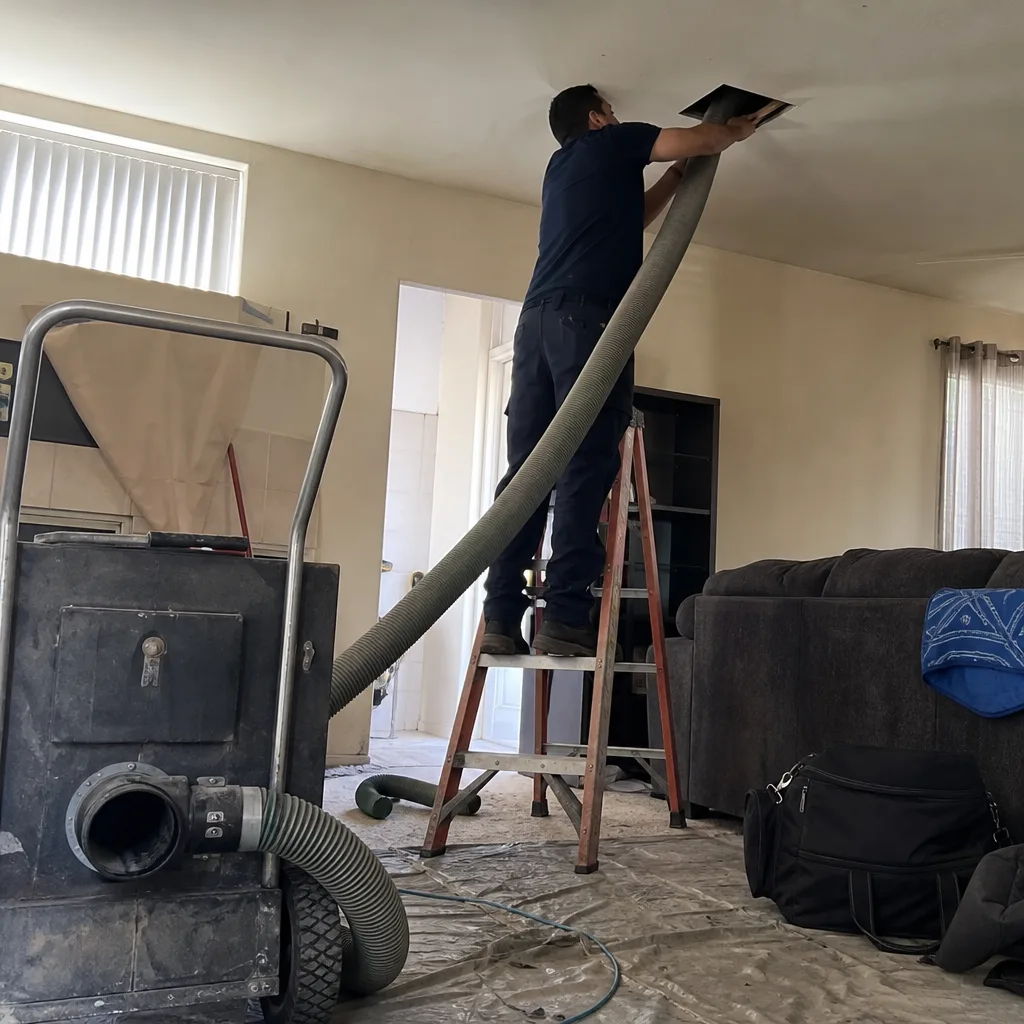 Before
 After
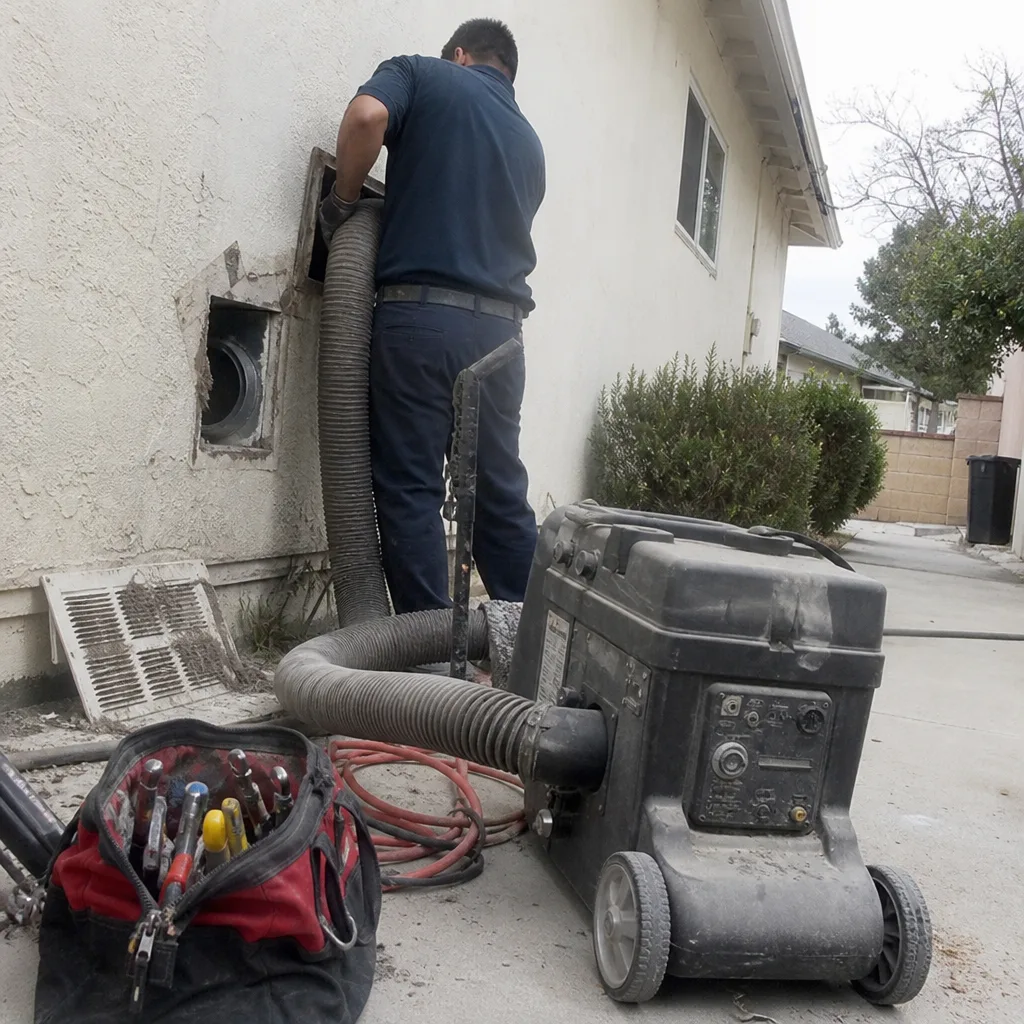 Before
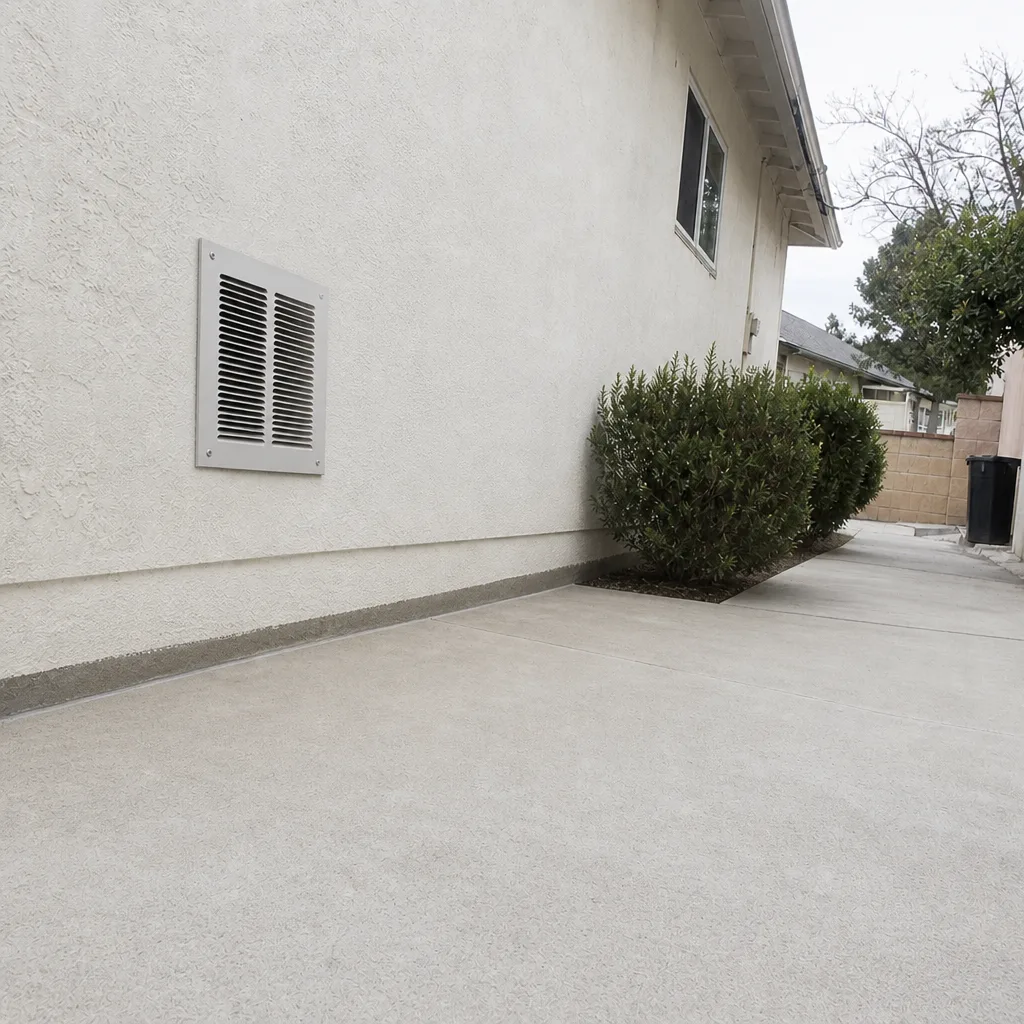 After
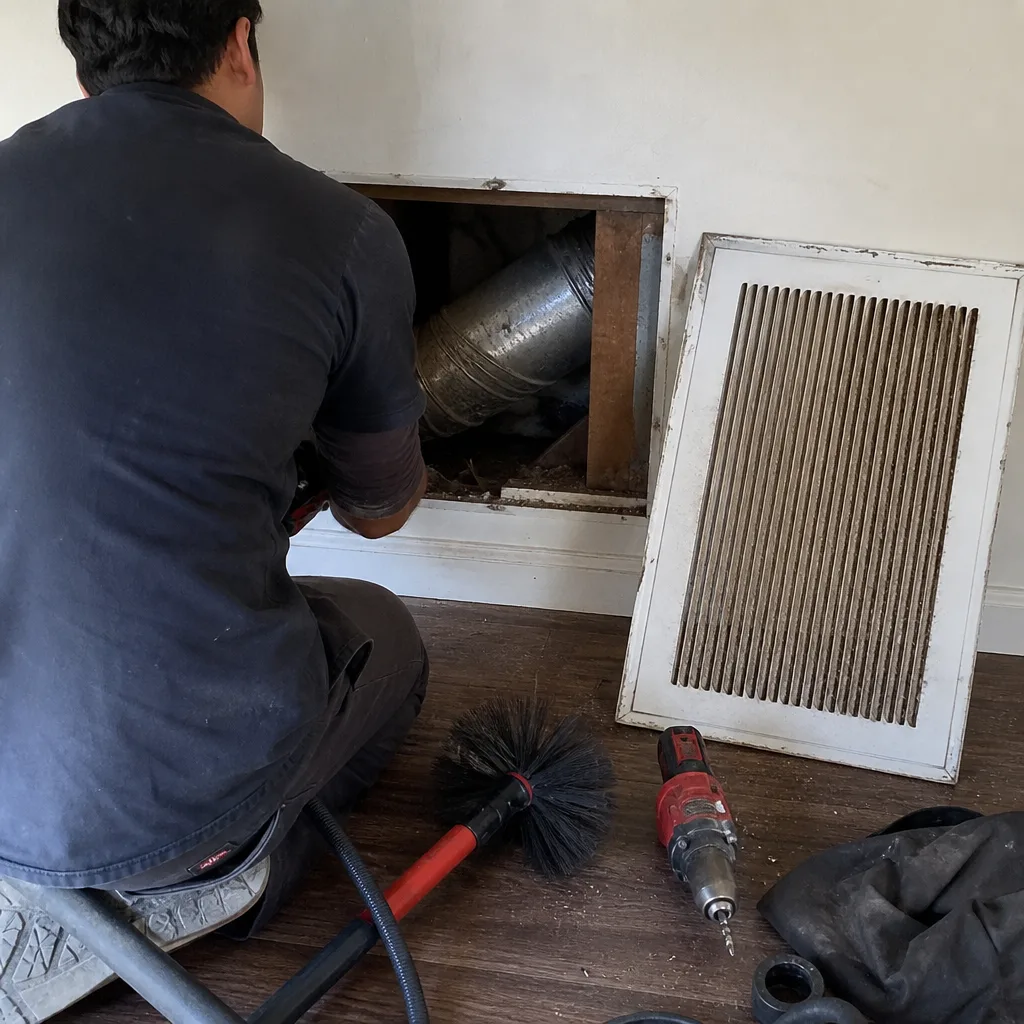 Before
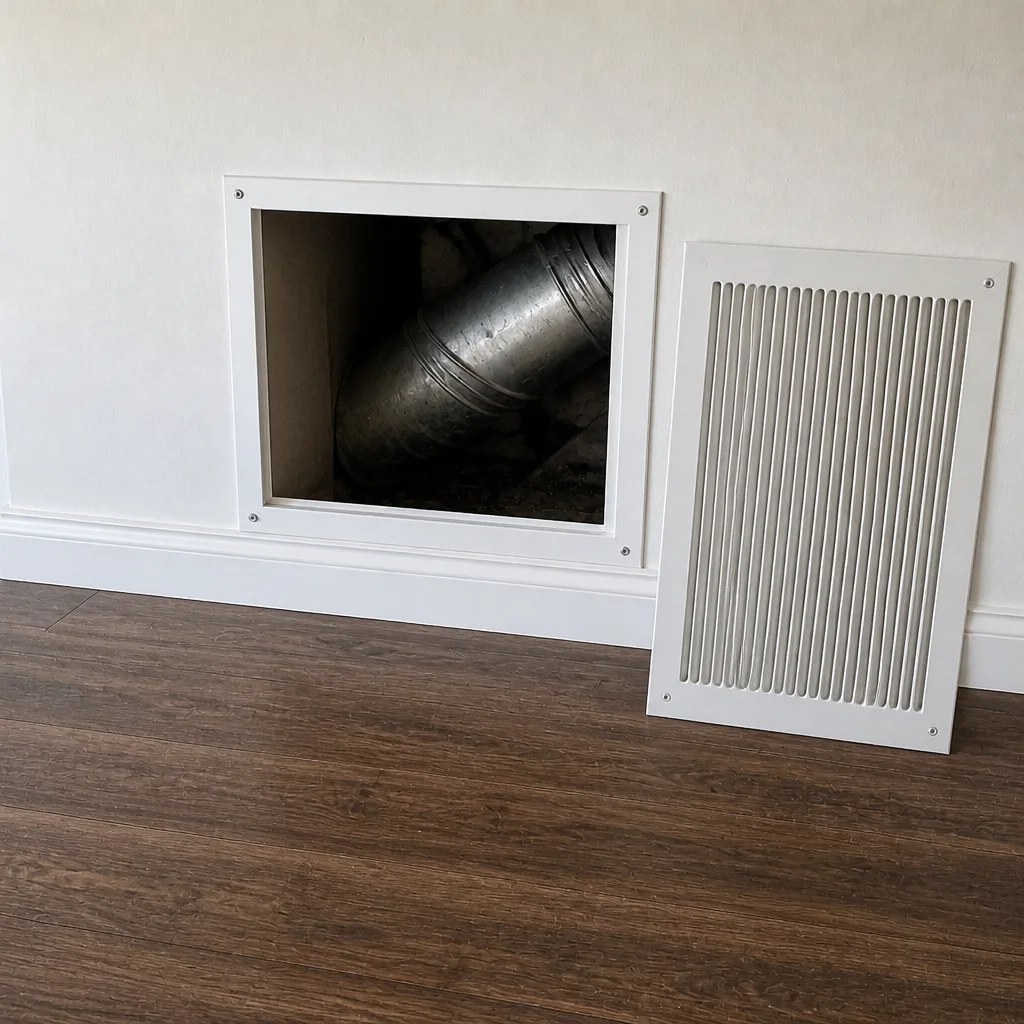 After