
Last updated November 4, 2026
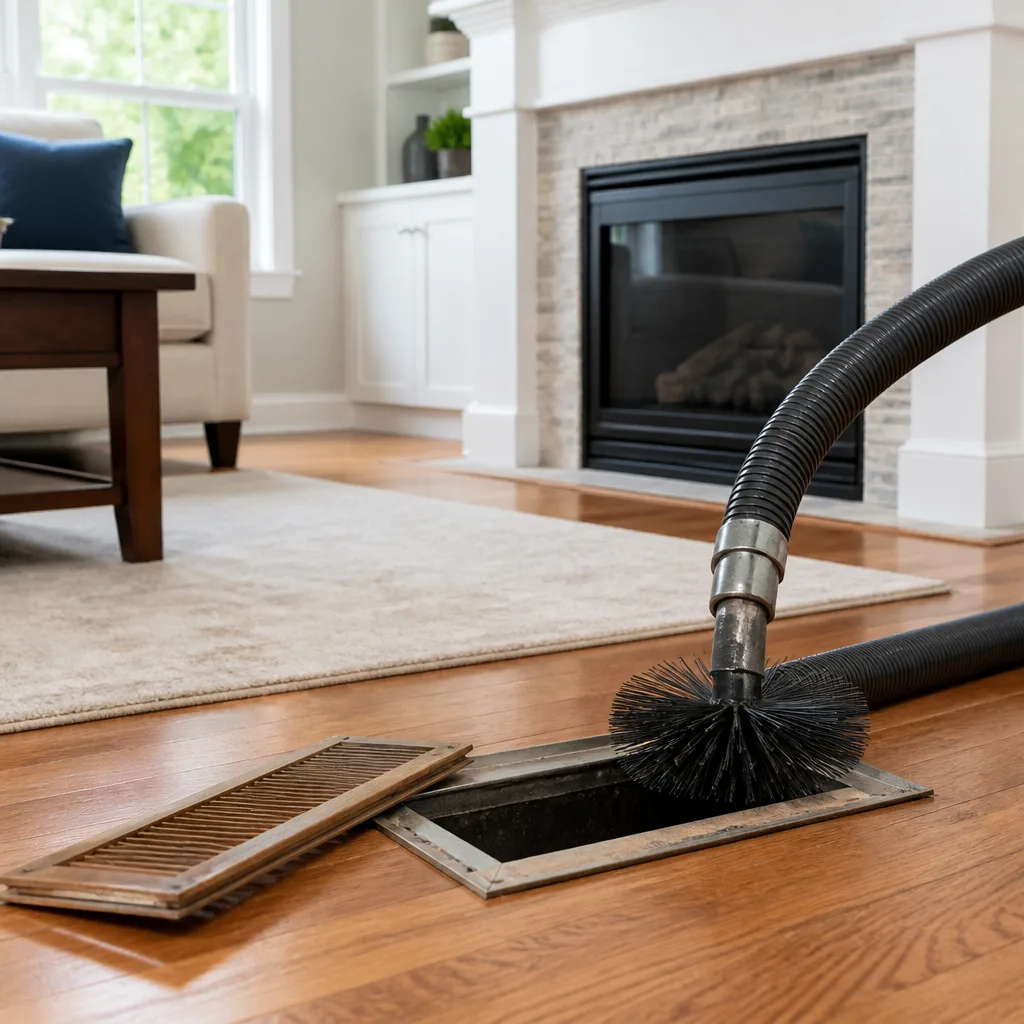 Whole-home duct cleaning
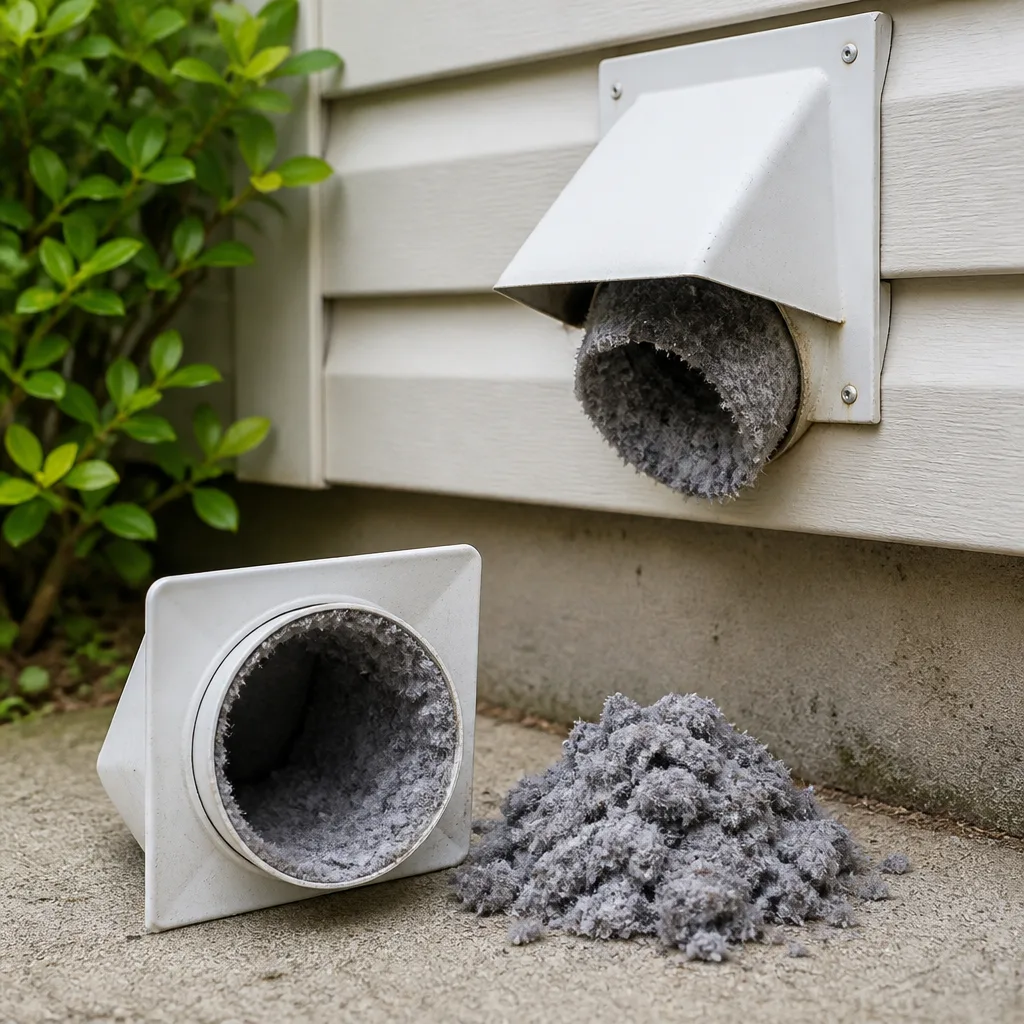 Dryer vent cleaning
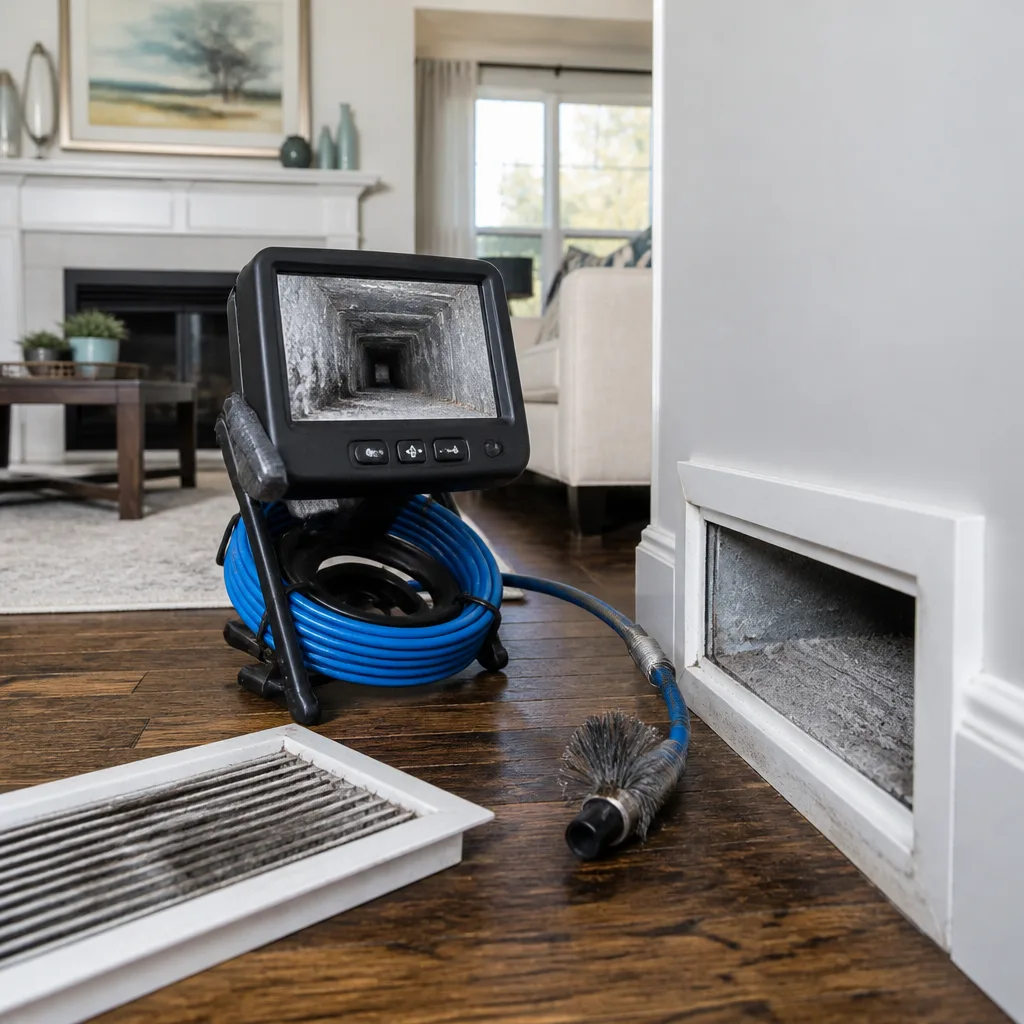 Camera inspection
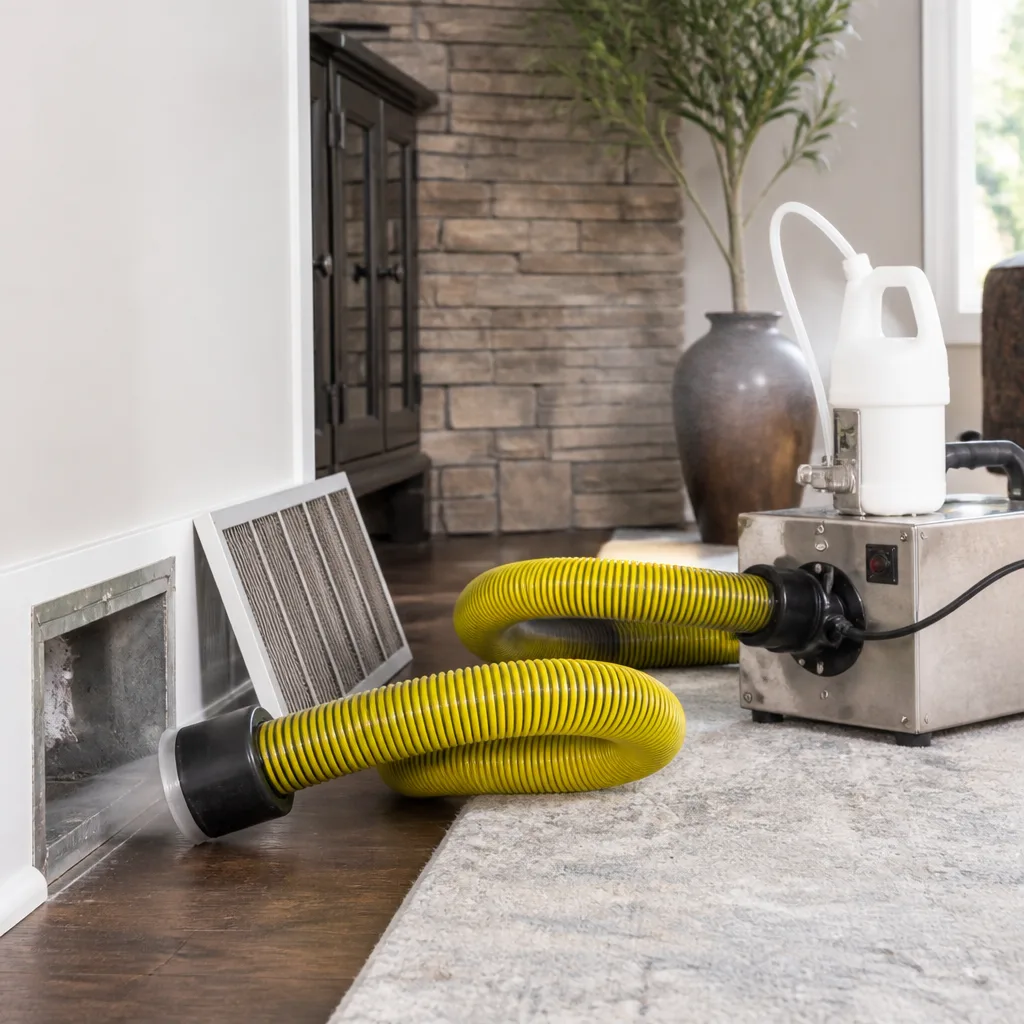 Sanitizing & deodorizing
Whole-system duct and dryer vent check with before-and-after photos - you see exactly what came out of your vents
That "$99 whole-house special" is a bait ad - the real number appears once they are in your hallway, or the "clean" is a shop-vac at the register. We photograph the inside of your ducts before and after instead.
How to Hire an Air Duct Cleaning Contractor in Buena Park: A Step-by-Step Guide
Most homeowners in Buena Park assume that anyone who shows up with a vacuum can clean air ducts. That assumption is why the air duct cleaning trade has a reputation problem. The truth is more uncomfortable: there is no state license specifically for air duct cleaning in California, which means anyone with a portable shop vac and a website can legally offer the service in Buena Park. The difference between a legitimate contractor and a low-bid operator is almost invisible on paper, but it shows up immediately in the truck they drive and the questions they can answer. This guide will teach you the exact questions to ask, the equipment specs that actually matter, and the red flags specific to the Orange County market.
Styles & brands we work with
- Whole-home duct cleaning
- Dryer vent cleaning
- Camera inspection
- Sanitizing & deodorizing
Quick Answer
To hire an air duct cleaning contractor in Buena Park, verify their licensing and insurance first, then ask five equipment-specific questions: what vacuum CFM their system pulls, whether they use contact-based brush systems, if their exhaust has HEPA filtration, whether they maintain negative pressure during cleaning, and if they use an inspection camera before and after. A legitimate contractor will give straight answers to all five. A low-bid operator will deflect.
Table of Contents
- Why Licensing and Insurance Matter Even Without a Duct Cleaning License
- The Five Equipment Questions to Ask Before Booking
- What NADCA Membership and ACR Certification Actually Verify
- Red Flags Specific to the Orange County Duct Cleaning Market
- How to Structure an Apples-to-Apples Quote Comparison
- What to Expect During a Legitimate Duct Cleaning in Buena Park
- How to Verify the Work Was Actually Done
- Common Mistakes to Avoid
- When to Call a Professional
- Frequently Asked Questions
- The Bottom Line
Why Licensing and Insurance Matter Even Without a Duct Cleaning License
California does not issue a specific air duct cleaning license. That single fact explains more about this industry than any other. A contractor cleaning ducts in Buena Park is not required to hold a specialty certification, pass a trade exam on airflow dynamics, or prove they understand negative pressure. The only requirement is a general contractor’s license, a business license, and enough marketing to find customers.
That does not mean licensing is irrelevant. It means you have to look at it differently. A general contractor’s license confirms the business is registered with the state and has met basic insurance requirements. It separates an actual company from a guy with magnets on his minivan. When you call a contractor in Buena Park, ask for their contractor’s license number and verify it on the state licensing board website. This takes two minutes and eliminates the most obvious frauds.
Liability insurance is the piece most homeowners forget to check. Duct cleaning involves equipment running through your home, hoses running from a truck to your vents, and in some cases, access to your furnace plenum. If a technician damages drywall, scratches flooring, or knocks a return grille loose, liability insurance covers the repair. A contractor without liability insurance leaves you chasing a phone number that stops answering. Ask for a certificate of insurance. Legitimate companies provide it without hesitation.
One more point that gets overlooked: workers’ compensation. If an uninsured worker is injured in your Buena Park home, the homeowner can be drawn into the claim. A legitimate contractor carries workers’ comp and can show proof. This is not a paperwork technicality. It protects you.
The Five Equipment Questions to Ask Before Booking
Equipment is where the real vetting happens. A contractor’s answers to these five questions will tell you more than any review. Portable consumer gear cannot do what a professional-grade system can. If the contractor stumbles, hedges, or changes the subject, end the call. Here are the five questions and what good answers sound like.
1. What CFM rating does your vacuum system pull?
Cubic feet per minute, or CFM, measures airflow through the vacuum. This number matters because moving debris out of ductwork requires enough air velocity to overcome what settles in place. Professional truck-mounted or trailer-mounted systems pull in the thousands of CFM. Portable units pull a fraction of that. A contractor who knows their CFM rating is a contractor who has been asked this before and can speak to the capability of their machine. One who says “it works great” does not have professional equipment.
2. Do you use a contact-based brush system?
Just pulling air through a duct does not remove the film and debris that adhere to the walls. A contact-based system physically agitates the surfaces inside the duct. Equipment like the Rotobrush and Nikro systems used by serious contractors does both: it rotates a brush against the duct wall while negative pressure pulls loosened material out. Ask if their brush system makes contact with the duct surface or if they rely on air movement alone. Air movement alone leaves half the job undone.
3. Does your exhaust use HEPA filtration?
If you are cleaning contaminants out of a duct system, the exhaust from the vacuum has to go somewhere. On a professional setup, that exhaust is filtered. HEPA filtration catches particles down to a fraction of a micron, so the air being discharged from the system is cleaner than what went in. A contractor using HEPA-filtered exhaust is not blowing the contents of your ducts into your driveway, your landscaping, or back into your home through an open window. This is the difference between cleanup and relocation.
4. How do you maintain negative pressure during the job?
Negative pressure means air is being pulled into the duct system at all times during cleaning, never pushed out. Without it, loosened dust and debris can exit through the vent openings into your living space. This is the mechanism that makes “the dust goes somewhere else in your house” a real risk with a bad setup. A contractor who can explain their negative pressure approach understands the physics of the job. One who can’t is probably cleaning vents with a vacuum hose pointed at the opening.
5. Do you use an inspection camera before and after?
Before-and-after photos are not a nice extra. They are the only way for you to know the job was actually done. A professional air duct cleaning contractor runs an inspection camera through the system before starting, so you can see what is actually inside your ducts. They run it again when they are finished. If a contractor cannot show you the inside of your own ducts, you are hiring on faith. Faith is not a verification method.
What NADCA Membership and ACR Certification Actually Verify
You will see NADCA mentioned on duct cleaning websites. NADCA is the National Air Duct Cleaners Association. Membership means the contractor pays dues and agrees to follow the association’s standards for cleaning HVAC systems. The ACR designation, Air Systems Cleaning Specialist, requires passing an exam and maintaining continuing education. These are legitimate signs that a contractor takes their trade seriously.
What NADCA and ACR do not do is regulate the contractor’s day-to-day business practices. Membership does not prevent bait-and-switch pricing. Certification does not guarantee that every technician on the job follows the standard. What it does is signal that someone in the company has studied the correct methods and wants to be held to a published standard. That matters because it creates a reference point: NADCA publishes the standard, and you can compare the work against it.
When a contractor in Buena Park mentions NADCA or ACR, ask a follow-up: “Which part of the NADCA standard covers negative pressure?” A contractor who has actually read the standard can answer. One who is name-dropping cannot. The same applies to equipment brands. A contractor who says they run professional-grade equipment should be able to name the brand. Rotobrush. Nikro. Abatement Technologies. If they cannot name their own machinery, they are not the one running it.
Red Flags Specific to the Orange County Duct Cleaning Market
The Orange County market has a particular pattern of low-bid duct cleaning scams. Buena Park homeowners see the same ones repeat because the model works: advertise an unbelievably low whole-house price, get a technician in the door, then manufacture a reason to inflate the invoice. Here are the three patterns to watch for.
Bait-and-switch pricing. The ad promises $49 whole-house duct cleaning. No legitimate contractor can clean a full duct system in Buena Park for $49 and make payroll. What happens next is predictable: the technician arrives, looks at the vents, and announces that the job is bigger than expected, the ducts are “contaminated,” or the system needs a deep cleaning at several times the advertised price. The original $49 was never a real price. It was a door-opener. Honest contractors quote per system, not per vent, and the estimate you get by phone should match the estimate you get on site, unless a real condition is discovered that no one could have known about.
Mold scare tactics. The technician pulls out a swab or a moisture meter and announces that “what we’re seeing could be mold.” The word “could” does a lot of work there. Air ducts in Southern California are dry most of the year. Actual microbial growth in ducts is far less common than low-bid contractors pretend. A legitimate contractor will show you the camera footage and explain what they are seeing. They will not use the word “mold” as a pricing lever. If a technician pushes a mold remediation upsell based on a glance, get a second opinion. Abatement Technologies equipment exists for real contamination concerns, not for selling treatments to every house on the block.
Upsell coatings. You may be told your ducts need an antimicrobial coating or sealant sprayed inside to “seal in” what the cleaning missed. There is a legitimate niche for sealing accessible ductwork with products like Guardsman, but it is a recommendation with a reason attached, not a mandatory add-on sprung on you at the end of the job. A contractor who pushes a coating on every job is selling repeat business, not solving a problem. The price was always going to include the coating. It just was not in the phone quote.
How to Structure an Apples-to-Apples Quote Comparison
Comparing duct cleaning quotes in Buena Park is difficult because contractors price differently. Some price per vent. Some price per system. Some quote a base price and add fees for difficult access. The only way to compare is to ask for a written estimate that breaks down the same line items. Here is the structure to request.
Ask for these line items on every quote:
- System cleaning scope. How many supply ducts, return ducts, and the main trunk line are included? Is the furnace/air handler blower included? Is the plenum included or is it an extra?
- Equipment type. What brand and type of vacuum system and agitation system will be used on the job? Write it down. Compare it between quotes.
- Filtration. Is the exhaust HEPA-filtered? Is this stated on the quote?
- Inspection camera. Are before-and-after camera inspections included in the price or billed separately?
- Access labor. Are access points to the main trunk line included, or is there an added fee for creating and sealing access?
- Total price and what sets the final price. The written estimate should state the total and the conditions under which it could change, in writing.
What to watch for: a quote with no equipment details, no mention of the main trunk line, and no inspection language. Those are the quotes that balloon on site. A legitimate Duct Cleaning Buena Park contractor writes down what they will do, what they will use, and what it costs. The written estimate is the contract. If a contractor will not put the equipment and scope in writing, the verbal quote means nothing.
A note on pricing: honest whole-system cleaning in the Buena Park and broader Orange County market is priced per system, not per vent. A per-vent price is a lever built for upsells. The final price is set by the written estimate before work begins.
What to Expect During a Legitimate Duct Cleaning in Buena Park
A professional duct cleaning in Buena Park follows a process you can observe and understand. It starts with an inspection, moves through active cleaning under negative pressure, and ends with documentation. If a contractor cannot walk you through these steps before the job starts, ask why.
First, the inspection. The technician should run a camera through the supply ducts, the main trunk, and the return side before any cleaning begins. You should see the footage. This shows you the condition of the system and gives a baseline for comparison. If the contractor “cleans first and inspects after,” there is no way to prove the condition changed.
Next, the setup. The vacuum system is connected to the ductwork, typically through the main trunk line, to create negative pressure on the entire system while each branch is agitated. The agitation uses a contact-based brush system. This is where equipment like Rotobrush and Nikro systems show the difference: the brush physically contacts the duct walls, loosening what has adhered, while the negative pressure pulls it out. Air leakage from the living space into the ducts is the goal, which is the opposite of what a portable vent vacuum does.
Then, the cleaning itself. Each supply branch and return branch is cleaned in sequence, usually by temporarily sealing off the other branches so airflow concentrates on the one being agitated. The main trunk line is cleaned as the main course, and the return drop is cleaned too, because dust settles there just as much as anywhere else. If the contractor skips the return side, they are doing half a system.
Finally, the after. The camera goes back in. You see the inside surfaces again, this time clean. The access points are sealed. The equipment is removed. And you have before-and-after documentation of your own duct system. In our experience, this is the single most important part of the whole job: verification with evidence, not words. Duct Cleaning Buena Park has served Buena Park since 2014 doing exactly this.
How to Verify the Work Was Actually Done
The industry’s worst reputation problem is the customer who cannot tell if anything happened. That problem has a solution: you verify with your own eyes, on a screen, before the crew packs up. Here is the verification checklist.
- Before-and-after camera footage. The contractor shows you the interior of the supply ducts, trunk line, and return drop before cleaning. You see the same views after. The dust, debris, and film from the before footage should be gone. If the contractor cannot produce the after footage, ask them to rerun the camera while you watch. This is your money and your duct system.
- HEPA-filtered exhaust, visibly. You should see a HEPA filter unit on the equipment line. It should be real, not a sticker. Ask the technician to show you the filter. A HEPA filter that has been in service has trapped material in it. A clean, pristine “HEPA filter” on a truck that has allegedly been cleaning ducts for months is a prop.
- Main trunk access, seen and sealed. The job requires access to the main duct line. You should see the access created, the cleaning performed through it, and the access sealed with a proper patch afterward. If the contractor never opened the main trunk, they cleaned the branches but not the line where the most air passes.
- Your vents, noticeably clean. Walk through after the job. Pop a vent cover or two. The visible surfaces should be free of the gray film and dust you saw before. The vents should smell neutral, not like the exhaust from a portable unit.
If all four of those check out, the job was done. If the contractor will not show you any of them, you have your answer. And there is one more step: keep the written estimate and any notes on the job. If you need warranty work or a follow-up, that paperwork is what a dryer vent cleaning or duct contractor in Buena Park will reference, and it protects you if anything was missed.
Common Mistakes to Avoid
- Hiring on price alone. The $49 whole-house offer in Buena Park is not a discounted service. It is a different business model built on on-site upsells. Compare written estimates with equipment, scope, and filtration listed, not just the dollar figure at the bottom.
- Not asking about the main trunk line. The main trunk line carries more air than any branch and collects the most settled dust. A quote that cleans “all vents” without the trunk line is a quote for half the system. Ask where the access to the trunk line is created and how it is sealed.
- Accepting vague equipment answers. If a contractor cannot name their vacuum system’s CFM, their brush system type, or their filtration, they are not running professional equipment. The answer to “what system do you use” should be a brand name, not a shrug.
- Skipping the insurance check. A contractor without liability insurance and workers’ comp exposes you to financial risk if something goes wrong in your home. The two-minute certificate check is the cheapest protection available.
- Letting mold fear drive the decision. In the dry Southern California climate, most duct dust is exactly that: dust. If a technician hints at contamination and recommends immediate remediation without camera evidence, treat it as a pricing tactic until proven otherwise.
- Not getting the scope in writing. “We’ll clean everything and make it right” is not a work order. A written estimate that lists system cleaning scope, equipment, filtration, camera inspection, and the final price is the only version that means anything on the day of the job.
- Assuming duct cleaning is a one-time event. Ducts collect material as long as air moves through them. After a legitimate cleaning, the system starts accumulating again. The right frequency depends on your household: pets, recent construction, and local Buena Park dust all play a role. A good contractor will tell you when the next cleaning is actually due, not automatically book you for next year.
When to Call a Professional
Some signs are specific enough that you do not need a camera to know it is time. Visible dust blowing from vents when the system runs. A fine gray film returning to furniture a week after you dust. Rooms that smell stale or musty only when the HVAC cycles on. A dryer that takes multiple cycles to finish a load, indicating a blocked dryer vent. Recent construction or renovation that has filled the house with drywall dust. If any of these apply, the question is not whether to clean, but who. Duct Cleaning Buena Park offers free estimates in Buena Park; call (855) 684-4139 and we will inspect the system with an actual camera, show you what is there, and give you a written estimate before any work begins. We answer 24/7. Fast dispatch from 7am to 7pm, Sunday through Friday.
Frequently Asked Questions
Legitimate whole-system air duct cleaning in Buena Park is priced per system, not per vent, and typically runs in the hundreds of dollars depending on the size of the home and the number of ducts and returns. The written estimate sets the final price before work begins, so a quote with no equipment or scope details should be treated with suspicion. Call (855) 684-4139 for a free, specific estimate for your system.
The low quotes come from a different business model: advertise a price that cannot cover a real cleaning, then inflate the invoice once the technician is in the home. The missing line items on a cheap quote are typically the main trunk line, HEPA filtration, and actual contact-based agitation. A written estimate that lists equipment, scope, and the final price tells you what a real job costs.
NADCA certification is a strong signal that someone in the company has studied the published cleaning standard and can be held to it. It does not prevent bad business practices, but it is a useful filter. Ask a NADCA-cited contractor a follow-up question about negative pressure or the main trunk line; a knowledgeable answer separates real training from name-dropping.
You watch the before-and-after camera footage. A legitimate contractor runs an inspection camera through the supply ducts, trunk line, and return before cleaning, then shows you the same views after. You should also see the HEPA filter on the equipment line and the main trunk access point being created and sealed. These are observable, checkable facts. If a contractor cannot show them, do not pay until they can.
Actual microbial growth in ducts is far less common in the dry Southern California climate than low-bid contractors suggest. The dry, mild weather in Buena Park for most of the year means most duct contamination is ordinary dust and debris. A camera inspection shows the difference: dust moves easily when agitated, while microbial growth appears as surface discoloration. Do not act on a “could be mold” claim without camera evidence and, if concerned, a legitimate second opinion.
You cannot reach the main trunk line, the return drop, or the interior surfaces of the duct runs from a vent opening, and a portable consumer vac does not generate the CFM or negative pressure required to move settled material out of the system. Partial cleaning simply loosens debris that then recirculates through the home. This is a service where equipment capability defines the outcome, and the professional-grade Rotobrush and Nikro systems used by trained contractors exist because consumer alternatives do not work.
It can, when the system is actually cleaned and the filtration is addressed at the same time. Homes in Buena Park deal with dry, dusty conditions through much of the year, and whatever settles in the ducts circulates whenever the HVAC runs. A full-system cleaning removes the reservoir, but the air quality benefit requires paying attention to filtration too. Contractors who work with brands like Aprilaire and Honeywell can speak to the filtration side in specific terms, not vague promises.
The Bottom Line
Hiring correctly means accepting an uncomfortable fact: in California, anyone can call themselves a duct cleaner. That puts the responsibility on you, the homeowner, to verify what a contractor cannot fake. License and insurance confirm the business is real. Equipment questions confirm the equipment is real. Camera footage confirms the work is real. Skip any one of those and you are hiring on faith. The Buena Park market rewards the low-bid model because homeowners do not know which questions to ask. Now you do.
Written by the team at Duct Cleaning Buena Park, serving Buena Park since 2014.
See the difference
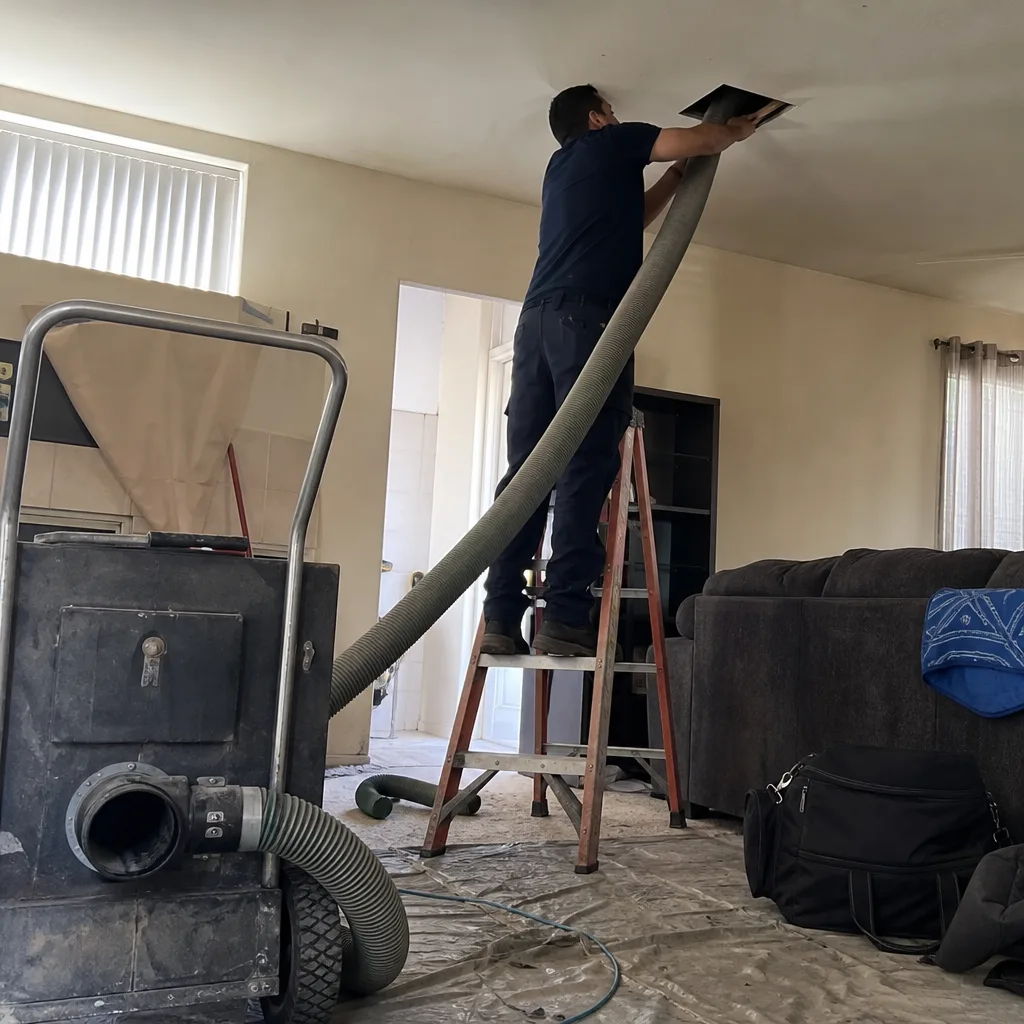 Before
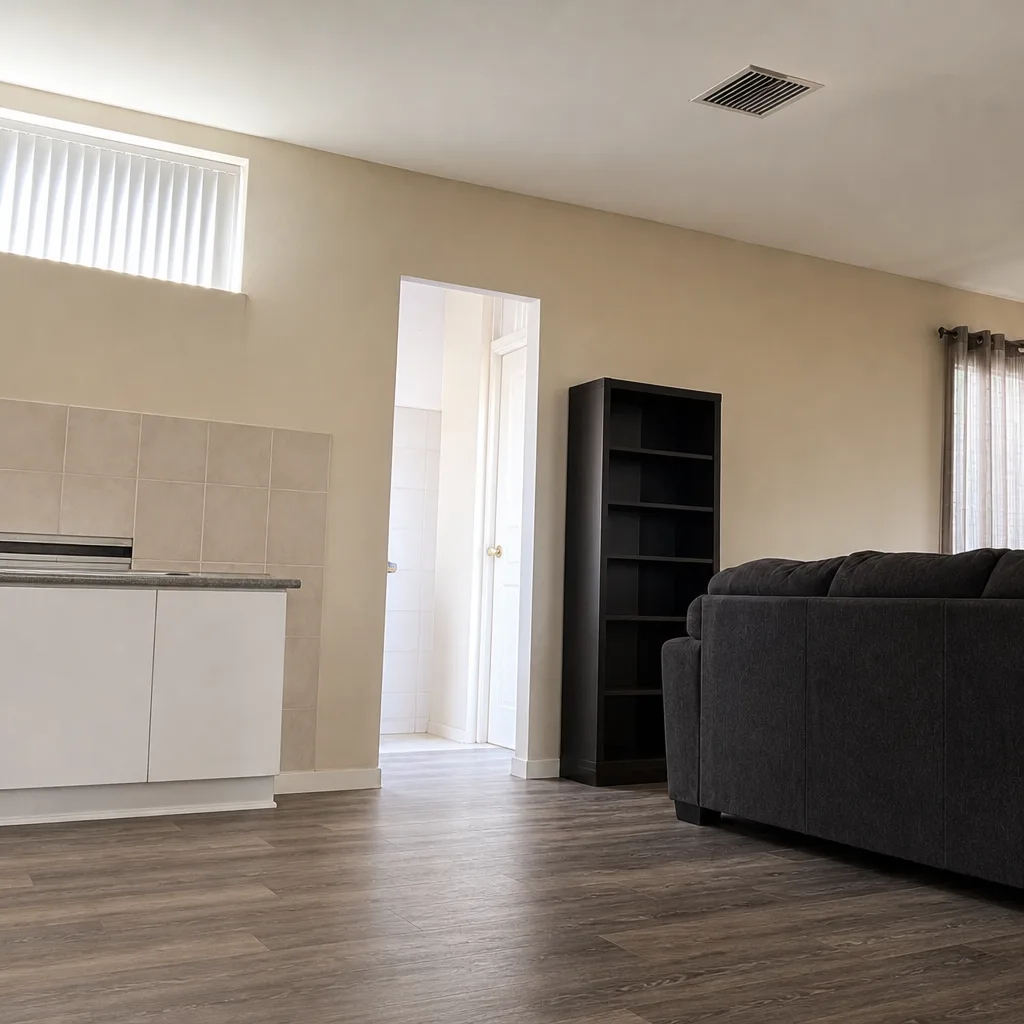 After
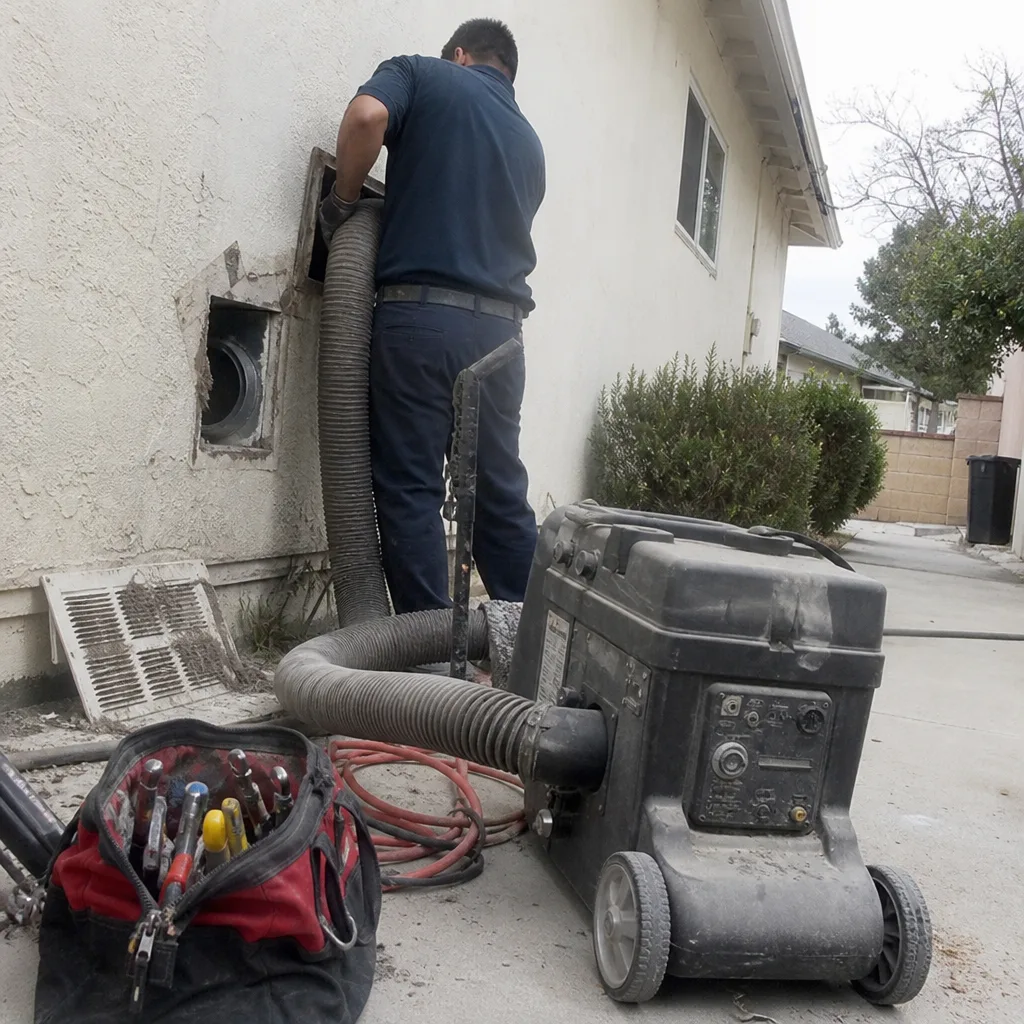 Before
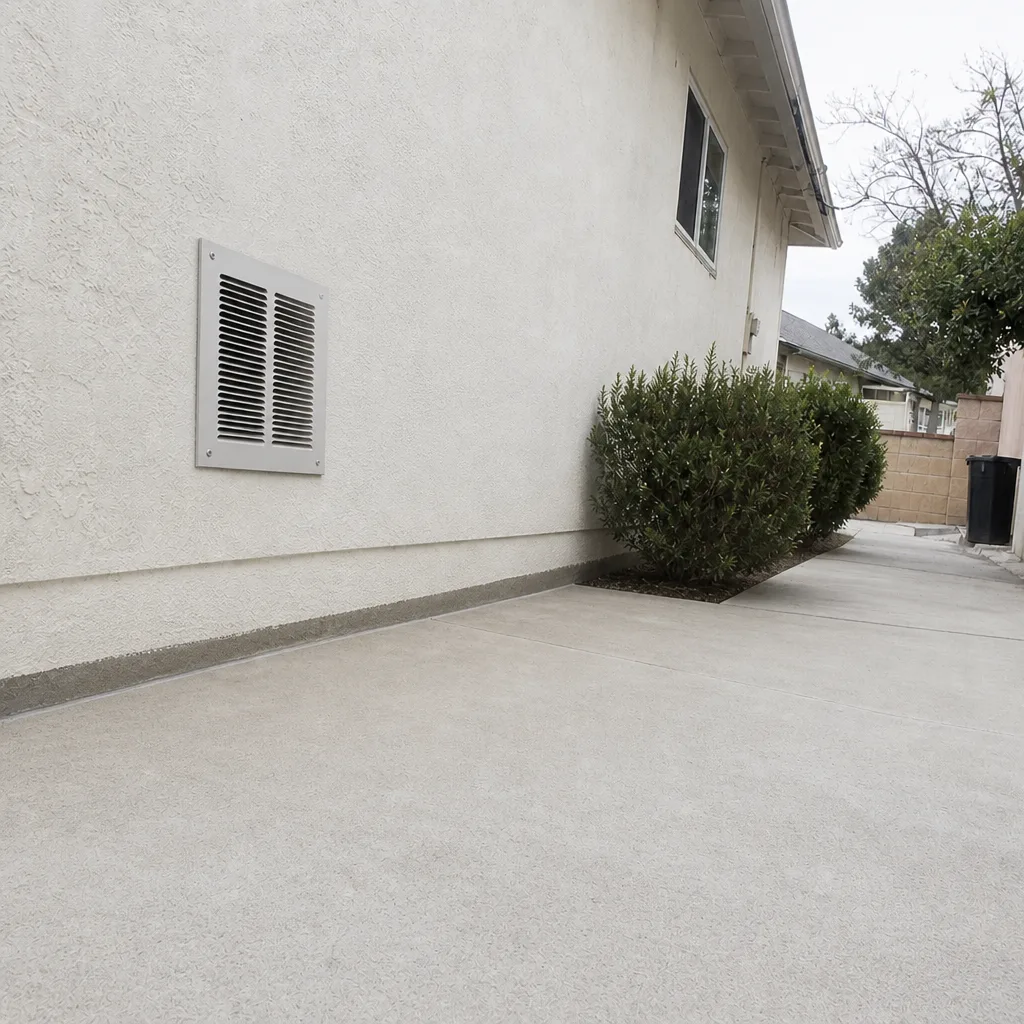 After
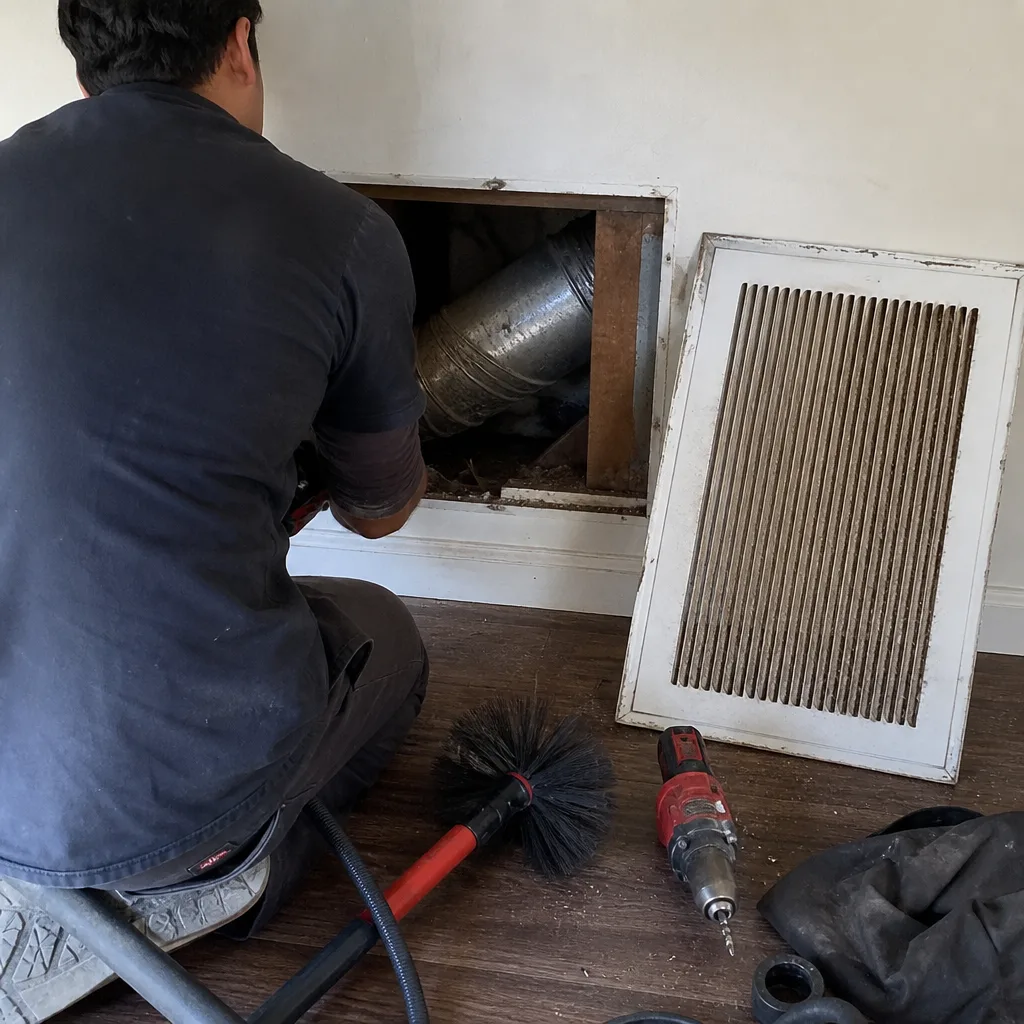 Before
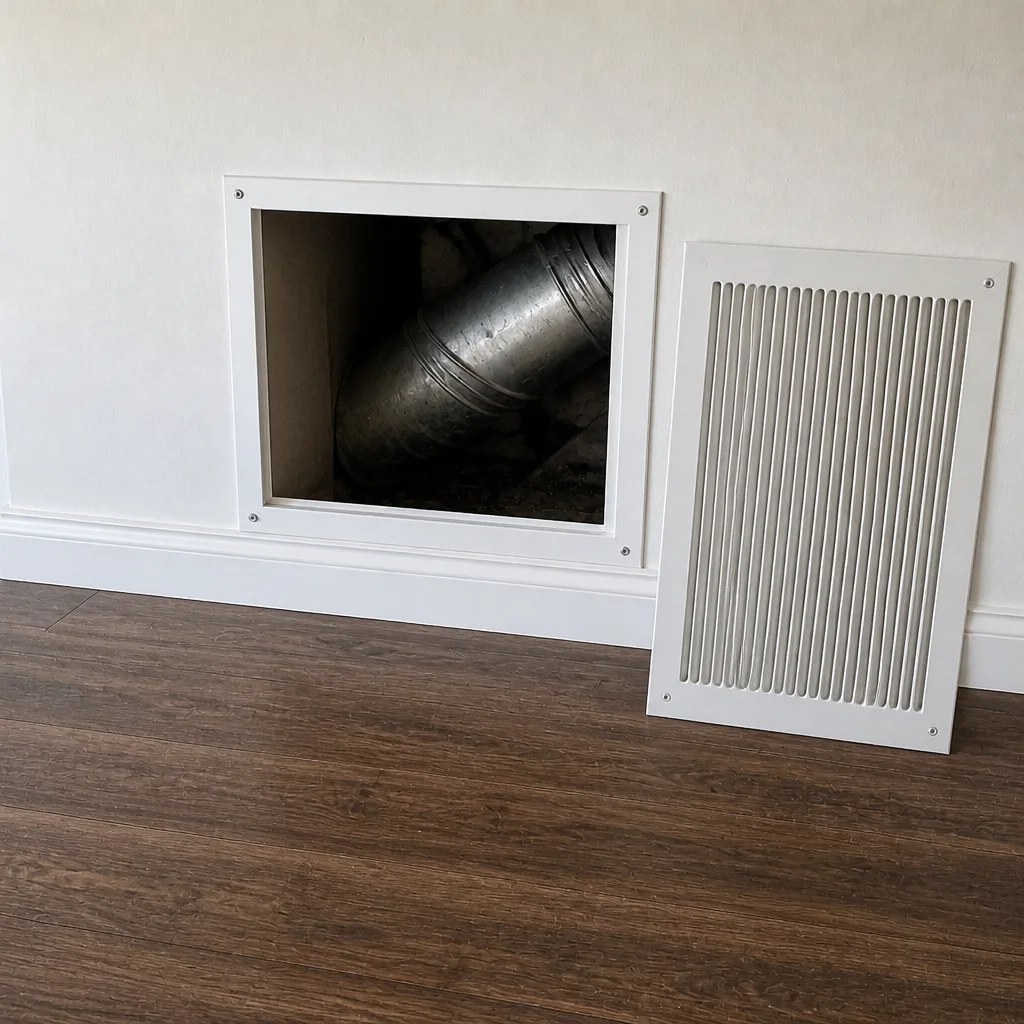 After