
Last updated November 4, 2026
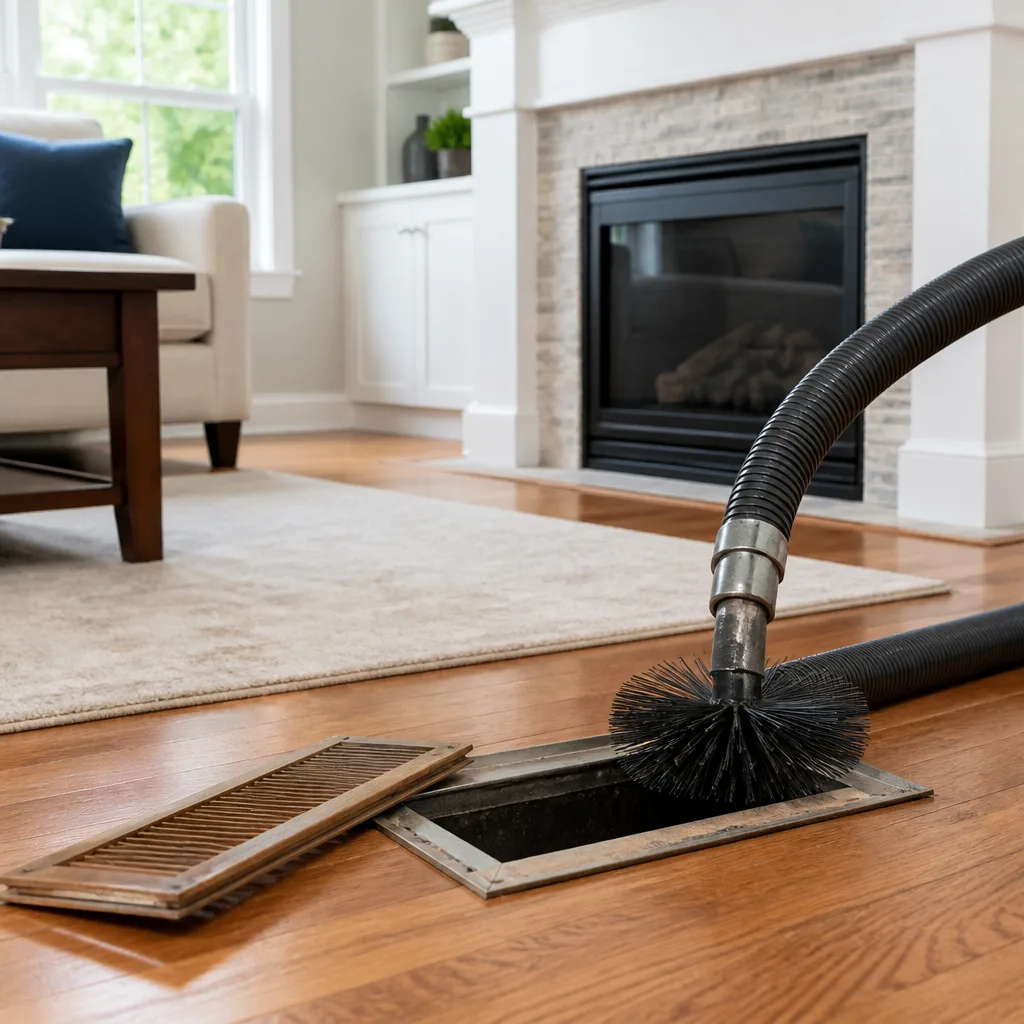 Whole-home duct cleaning
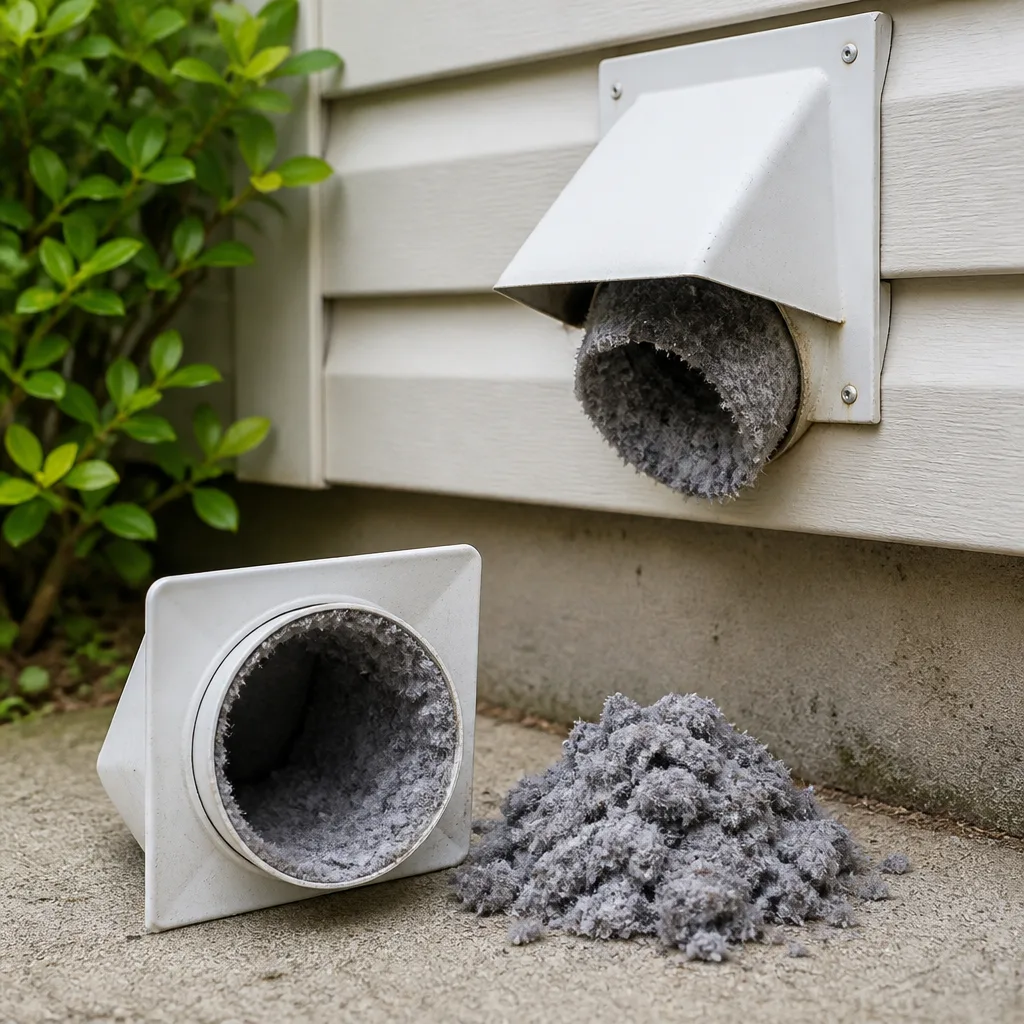 Dryer vent cleaning
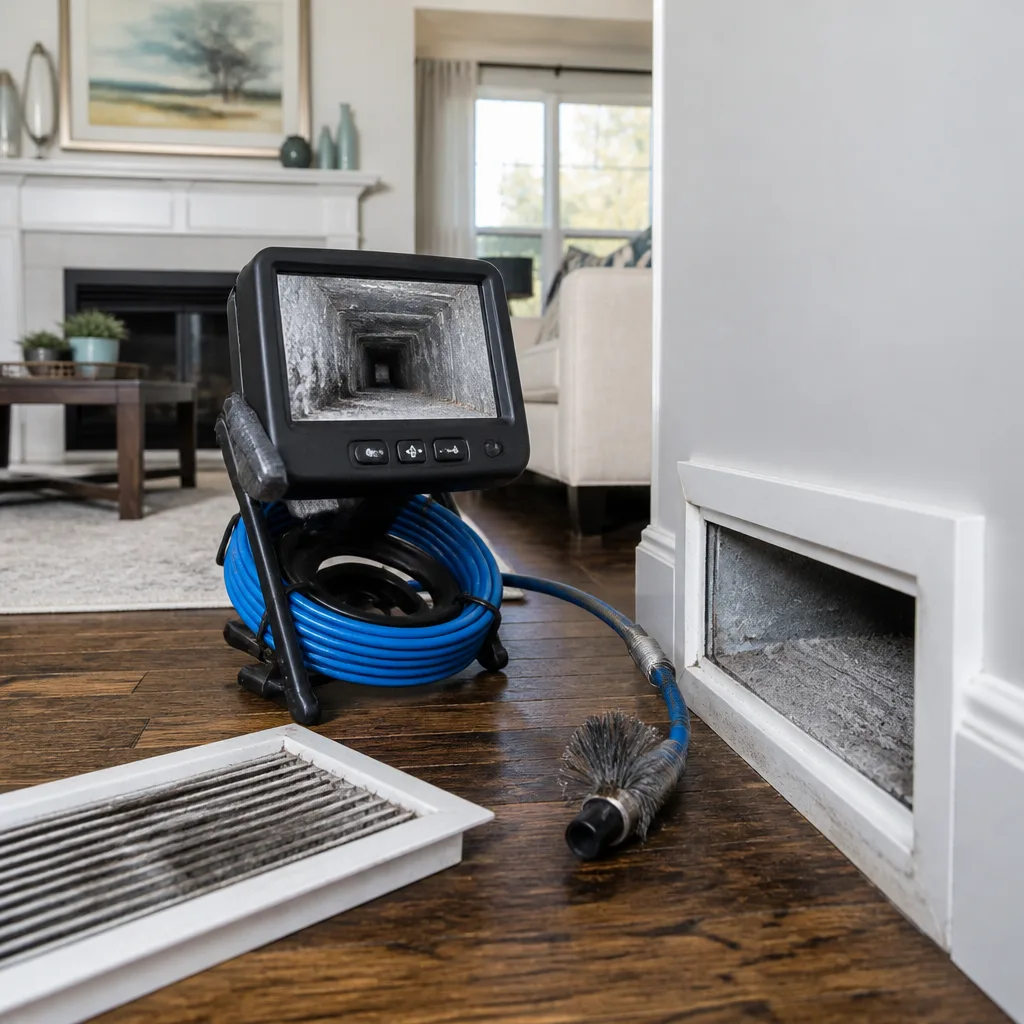 Camera inspection
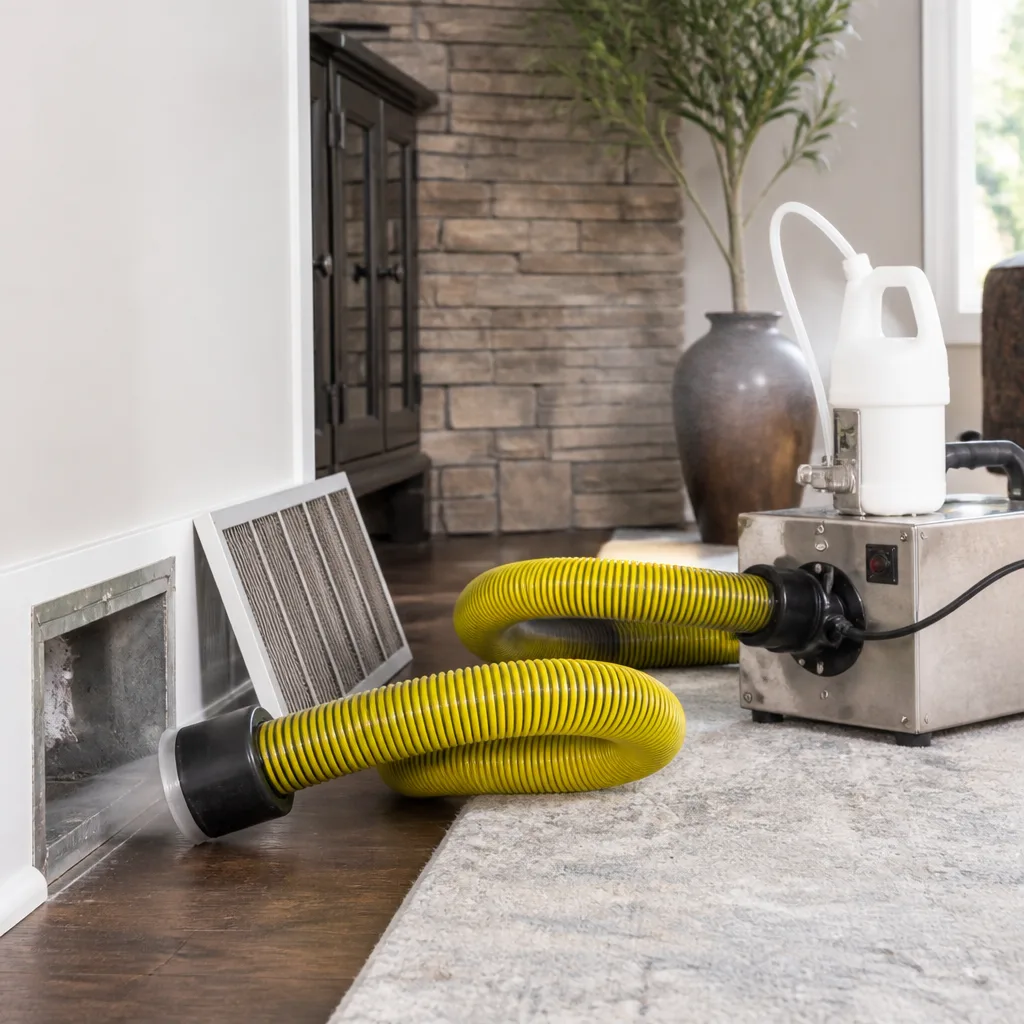 Sanitizing & deodorizing
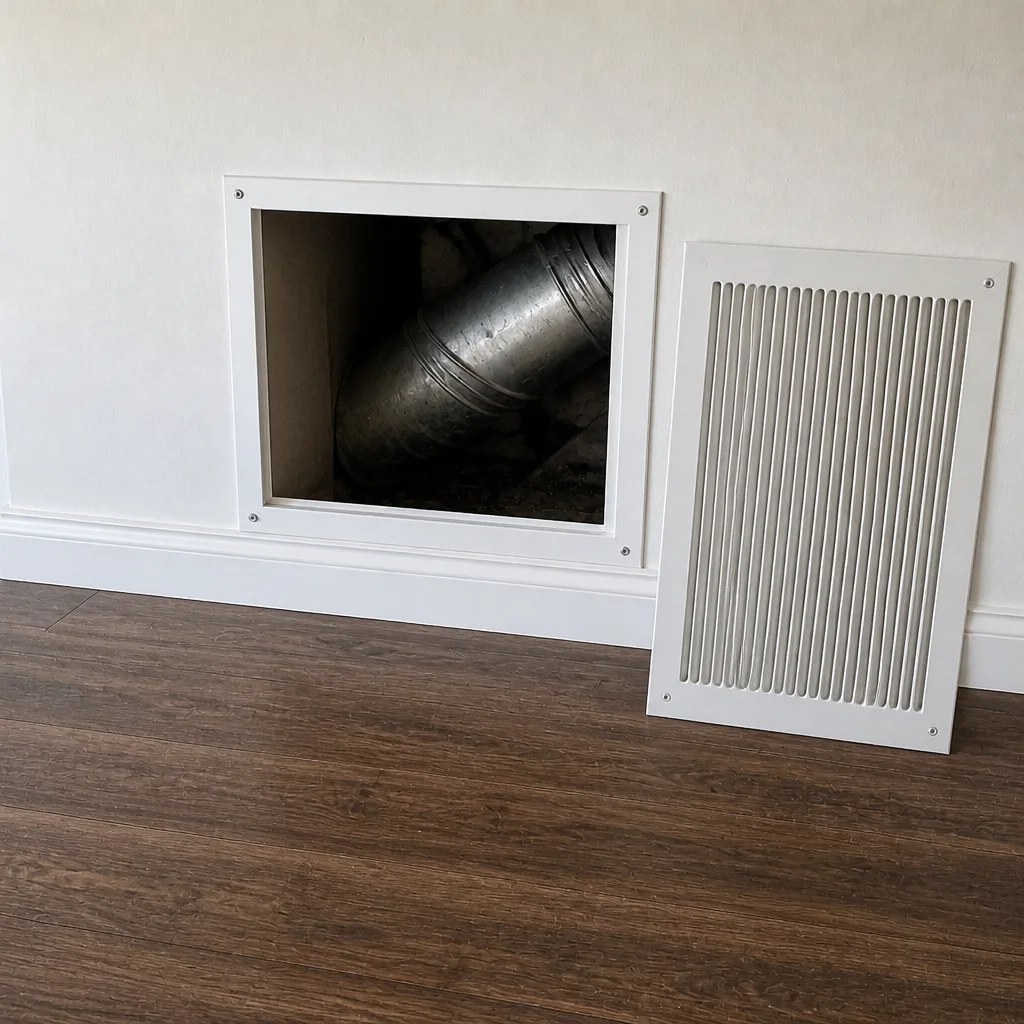
Whole-system duct and dryer vent check with before-and-after photos - you see exactly what came out of your vents
That "$99 whole-house special" is a bait ad - the real number appears once they are in your hallway, or the "clean" is a shop-vac at the register. We photograph the inside of your ducts before and after instead.
Air Duct Cleaning Maintenance Checklist for Buena Park Homeowners
If your only duct maintenance task is “change the filter every 90 days,” you’re maintaining the front door while ignoring the rest of the house. The filter catches what enters the blower; it does nothing for the dust, construction debris, and fine particulates that settle inside the duct runs, return cavities, and branch lines that snake through Buena Park homes. Most duct systems we open have never been documented, meaning the homeowner has no baseline to compare against. This checklist gives you that baseline. It is organized around what actually degrades inside a duct system in this climate and housing stock, from sagging flex runs to filter loading rates, so you can spot trends before they become problems and build a service record that matters when you sell.
Quick Answer
A proper air duct maintenance checklist for Buena Park homeowners has three layers: monthly visual checks of accessible duct sections and filter condition, seasonal dryer vent and return-air inspections, and a professional cleaning and documentation pass every 3 to 5 years depending on household conditions. The checklist is not just “change the filter.” It tracks flex duct sag, boot connection gaps, filter MERV loading, supply register dust patterns, and dryer vent buildup, and it records what each professional visit found so the next one has something to compare against.
Styles & brands we work with
- Whole-home duct cleaning
- Dryer vent cleaning
- Camera inspection
- Sanitizing & deodorizing
Table of Contents
- Monthly Duct Maintenance Checklist
- Seasonal and Pre-Sale Duct Checklist
- The 3 to 5 Year Professional Cleaning Interval
- How to Visually Inspect Ducts Without Professional Equipment
- Filter MERV Selection for Buena Park Air Conditions
- What to Document After Each Professional Cleaning
- Dryer Vent Maintenance as a Parallel Checklist
- Common Mistakes to Avoid
- When to Call a Professional
- Frequently Asked Questions
Monthly Duct Maintenance Checklist
Monthly maintenance is about observation, not intervention. You are building a record. In Buena Park, where many homes sit on flat lots with single-story ranch layouts, the furnace cabinet is often in a hall closet or garage alcove, which makes these checks quick. Run through these six items on the same day each month, like the first weekend.
- Check the filter. Hold it up to a light. If you cannot see light through the media, it is loaded. In Buena Park, where construction dust from infill projects and LA basin particulates are common, a filter can load to this point in under 60 days even when the manufacturer rates it for 90.
- Look at supply register faces. Remove one supply register in a main living area and wipe the inside edge with a damp white cloth. Heavy gray or black accumulation within 30 days is not normal filter operation; it indicates the duct run itself is holding debris and releasing it into the airstream.
- Check return grille louvers. Dust lines forming on the outer edges of return grilles mean air is bypassing the filter around the frame. That gap is a leak, and every particle that slips through it lands inside the return duct.
- Listen at the return. With the system running, stand near the return intake. A faint whistling or high-pitched draw often means the filter is too restrictive for the blower, or the return duct is undersized for the home. Either condition shortens blower motor life.
- Scan accessible flex duct runs. If your home has a crawlspace or open attic section, look at the flex duct you can see. Duct that is sagging between support straps by more than a few inches is collecting air and debris in the low points. Note it; do not try to re-strap it yourself unless you know the proper spacing.
- Note any new home activity. A month with drywall patching, flooring sanding, or a new pet changes what is entering the ducts. Write it in a simple maintenance log. This context explains later filter loading and register dust that would otherwise look like a sudden system problem.
None of these steps require special tools. They require consistency. The value of a monthly log is that it turns a mystery into a trend. When a professional air duct cleaning technician later asks when the dust appeared, you will have an answer instead of a shrug.
Seasonal and Pre-Sale Duct Checklist
Buena Park does not have a harsh winter or a true furnace season the way inland mountain communities do, but the heating system still cycles enough between November and February to move air through the ducts. And the late summer and early fall months bring Santa Ana wind events that push dry, dusty air through every gap in a home’s envelope. That makes a twice-yearly seasonal check the right cadence for most Buena Park households.
Spring and Early Summer
- Inspect the outdoor condensing unit area if you can see it from a window. Heavy leaf litter or pet hair accumulating against the coil fins means the system is pulling harder and moving more debris through the return side.
- Check for new gaps at boot connections where the duct meets the register box. Winter heating cycles can cause enough thermal movement to loosen a connection that was snug in October.
- Run the system in cooling mode for ten minutes and feel each supply register. A register that blows noticeably weaker than its neighbors points to a disconnected or crushed branch run, not a dirty filter.
Fall and Early Winter
- Inspect the return cavity for signs of pest activity. Rodents and insects seek warm, dark space in the fall. Droppings, nesting material, or a musty odor at the return grille warrant a professional look before heat season begins.
- Check flex duct in attic or crawlspace for new sag or kinked sections after the hot months. Flex duct that cooked all summer in a Buena Park attic can soften and deform.
- If you run a humidifier or portable unit indoors, note where the moisture goes. Excess indoor humidity in a poorly sealed duct system condenses on cool metal surfaces and supports mold growth in the duct lining.
If a home sale is on the horizon, do a full version of this seasonal check two months before listing. Buyers in Buena Park increasingly ask for duct inspection as part of the disclosure conversation, and a documented seasonal record is a negotiating asset. A clean inspection report with log entries reads as maintenance history, not deferred work.
The 3 to 5 Year Professional Cleaning Interval
The most common question we hear is how often a professional cleaning should happen. The honest answer: it depends on what the ducts are actually holding, not on a calendar. The 3 to 5 year range is the standard starting point for a Buena Park home with typical occupancy, but three conditions shorten it.
First, pets. Homes with two or more indoor pets can accumulate enough dander and hair inside the duct system in two to three years to justify a full system cleaning. The filter catches some of it; the rest bypasses at leak points and settles in return cavities.
Second, renovation history. If the home had drywall work, flooring removal, or any contractor activity that involved cutting or sanding, construction dust is inside the duct system. It does not leave on its own. Buena Park has a large inventory of homes built between the 1950s and 1970s, and many have been remodeled multiple times without ever having the ducts cleaned afterward.
Third, allergy response. If a household member has respiratory symptoms that improve away from home and worsen at home, and the filter is already being changed on schedule, the duct system is a reasonable suspect. Cleaning it establishes a known-clean baseline; if symptoms continue, you have ruled a variable out.
At the professional visit, the equipment matters more than the marketing. Rotobrush and Nikro systems are contact-based duct cleaning machines that physically agitate debris from the duct walls while vacuuming under negative pressure. This is not a shop vac on a long hose. The same class of equipment is what restoration contractors use after fire or water events. The cleaning should include all supply runs, return runs, the return cavity, register boots, and the blower cabinet where accessible.
How to Visually Inspect Ducts Without Professional Equipment
You cannot see inside a sealed duct run from your living room, but you can see a lot with a flashlight, a phone camera, and access to the attic or crawlspace. The goal is to find the conditions that signal a problem, not to fix them yourself.
- Map what you can reasonably reach. In a standard Buena Park ranch, the branch ducts run through the attic above the hallway. Pull-down ladder access or a crawlspace hatch gives you visual access to the outer portion of the runs. Do not walk on the drywall.
- Photograph every section you can see. Use your phone with the flash on. Take wide shots of each run first, then close-ups of any connection point, support strap, or visible tear. These photos become your baseline record.
- Look for flex duct sag. Flex duct should run in smooth, supported arcs between strap points about every four to five feet. Sag of more than two to three inches between straps creates a low spot where condensation and debris collect. That is a repair item, not a cleaning item.
- Check connection points. At each boot, where the flex connects to the metal register box, look for visible gaps or a duct end that has slipped off the collar. A knocked-loose connection dumps conditioned air into the attic and pulls attic dust into the living space.
- Look for moisture marks and mold signs. On visible duct exterior, dark staining, streaking, or a dusty-white surface film can indicate condensation or microbial growth. Buena Park is not a humid climate, but a duct run that passes near an uninsulated roof deck or a bathroom exhaust that terminates too close can still create localized moisture. Do not touch or disturb suspected mold; note it and call a professional.
- Check return chases. In older Buena Park homes, returns are sometimes built as wall or chase cavities rather than dedicated sheet metal ducts. Shine a light into the return grille cavity. These chases collect construction debris and sometimes pest waste because they are not sealed ductwork.
If any of these inspections show sag, disconnection, or staining, the issue is structural, not cosmetic. Duct repair is part of the same job category as cleaning, and Duct Cleaning Buena Park handles both; our team can repair damaged duct sections during the same visit rather than referring you to a second contractor.
Filter MERV Selection for Buena Park Air Conditions
Buena Park air is a mix of several particle sources. There is the regional LA basin particulate load, local traffic from the 5 and 91 corridors, construction dust from ongoing infill development, and during wildfire season, fine smoke particulates that travel for miles. A filter MERV rating selects how small the particles are that the media captures. Higher MERV is not automatically better; it is a trade between capture and airflow.
MERV 8: The minimum we recommend for any Buena Park home. Captures pollen, dust mites, and larger construction dust. Does not handle fine smoke particulates well. Works with every standard residential blower.
MERV 11: The sweet spot for most Buena Park households. Captures most pet dander, finer dust, and a meaningful portion of smoke particulates. Slightly higher pressure drop than MERV 8, but modern blowers handle it without a problem. This is what we suggest as a default for homes near the freeway corridors or with allergy-sensitive residents.
MERV 13: The smoke-season and high-sensitivity choice. Captures fine combustion particulates from wildfire smoke and most airborne allergens. The pressure drop is real. If the system was not designed for a MERV 13 filter, it can reduce airflow enough to shorten blower life and raise energy use. Check your system’s documentation or ask a technician before stepping up.
The rental-grade fiberglass filters, often sold for a few dollars, are not a maintenance product. They protect the blower from large debris and capture almost nothing else. If your monthly check shows those filters turning dark quickly, that is not the filter doing its job; it is the filter telling you what is already inside the ducts.
For homeowners who want filtering beyond what a standard media filter provides, we work with Honeywell and Aprilaire systems. Both manufacturers produce whole-home filtration and media cabinets that are recognized in the air quality industry, and our team can discuss whether one is appropriate for your system type and household. We do not install HVAC equipment, but we can speak accurately to the filtration side and what it will and will not do for duct cleanliness.
What to Document After Each Professional Cleaning
A professional cleaning without documentation is just an event. The purpose of this checklist is to turn events into a record. After any professional air duct cleaning, ask for and keep these items.
- Before-and-after photos. Any credible duct cleaning company will show you the inside of your ducts before work starts and after it finishes. The photos should be of your ducts, not stock images. A company using Rotobrush or Nikro equipment has the ability to capture this documentation because the agitation and extraction process reveals what is actually on the duct walls.
- A written service summary. This should list which sections were cleaned, what debris or conditions were found, any repairs performed, and any recommendations for future attention. If a duct section was found sagging or disconnected and repaired, that goes in the summary.
- Filter and MERV recommendation. The technician should note what filter you currently run and whether it is appropriate for the system. This is an opportunity to correct a filter mismatch that has been quietly loading your ducts.
- Any Guardsman or sealant application notes. If protective finishing products were used on accessible duct surfaces or connections, note where and when. That information belongs in the home’s maintenance file and matters at sale time.
- The date and the system’s condition at the time of cleaning. Write this into your maintenance log even if the company provides their own summary. Your log is the single source of truth across all vendors.
Compare documentation between visits. If the second cleaning, three years later, shows the same source of debris returning at the same rate, you have a recurring condition, not a dirty duct problem. The record is what makes that distinction visible. In Buena Park real estate transactions, a home with a documented duct maintenance file sells with fewer questions than one with a seller who guesses.
Dryer Vent Maintenance as a Parallel Checklist
The dryer vent is part of the duct system. It moves hot, moist, lint-laden air from the dryer to the outdoors, and it fails on its own schedule. A homeowner who maintains the HVAC ducts but ignores the dryer vent has maintained half the system.
The dryer vent failure timeline looks like this in most Buena Park homes. Lint begins accumulating at every bend, transition point, and the termination flap from the first load. Within one to two years, the accumulation narrows the effective opening and drying times lengthen. Within three to five years, depending on vent length and number of elbows, the restriction is significant enough that the dryer’s high-limit thermostat starts cycling, which shortens dryer life. The lint itself is the ignition source in most dryer fires; the timeline depends on how much accumulates and how hot the dryer runs.
A professional dryer vent cleaning removes the lint from the full run, from the dryer connection to the exterior termination. The technician should also verify that the termination flap opens fully, that the vent run terminates outdoors in a proper location, and that the vent length and elbow count are within the dryer manufacturer’s limits. After the cleaning, drying time should return to a normal range for the machine. If it does not, the restriction was not the only problem.
Between professional cleanings, check the exterior termination monthly during dryer use. If the flap does not open fully when the dryer runs, or if you see lint built up on the exterior cover, that is a visible warning. You can also note drying time on heavier loads. A gradual increase in dry time over several months is the most reliable sign of accumulating restriction. Do not push the machine harder to compensate; longer dry cycles at higher heat do not solve lint accumulation and increase the risk.
Common Mistakes to Avoid
- Treating the filter as the entire maintenance plan. The filter protects the blower and conditions the supply air. It does nothing for what already sits in the duct runs, return chases, and boots. A house with clean filters and dirty ducts has clean incoming air passing through a dirty delivery system.
- Buying the highest-MERV filter without checking system compatibility. A MERV 13 filter in a system designed for MERV 8 can drop airflow enough to overheat the blower. In Buena Park, where cooling runs long hours in summer, a struggling blower fails faster.
- Assuming old ducts are clean ducts. A home built in the 1960s that has seen three remodels has seen three rounds of construction dust enter the duct system. Age does not clean; it accumulates.
- Ignoring register dust because “it’s just dust.” Dust reappearing quickly at supply registers after cleaning them is an active condition inside the ducts, not normal house dust settling. It is the ducts delivering what they hold.
- Using the dryer vent as an afterthought. The dryer vent has a shorter failure cycle than HVAC ducts. A lint-restricted vent lengthens dry times, ages the dryer, and is the fire risk most homeowners never see.
- Throwing away service documentation. Every cleaning or repair summary is an asset. Without the record, each new vendor starts from zero, and you cannot tell whether a condition is recurring or new.
- Hiring on price for duct cleaning. A low-bid duct cleaning that uses portable consumer equipment and takes forty minutes does not clean what you cannot see. The visible registers may look better, but the duct walls remain loaded. Professional-grade agitation and extraction equipment like Rotobrush and Nikro systems is the difference between a surface wipe and a system clean.
When to Call a Professional
Call a professional when the monthly or seasonal checks reveal something you cannot explain with ordinary housekeeping. Visible sagging flex duct, a disconnection at a boot, staining on the duct exterior, pest evidence at the return, a register blowing weak air while the rest blow strong, or a dryer vent that has not been cleaned in over two years are all specific triggers. You do not need to diagnose the cause before calling; you need a company that can address the full duct system, not just one layer of it. Duct Cleaning Buena Park offers free estimates in Buena Park, and because we handle cleaning, dryer vents, and duct repair, one visit answers the whole system. Call (855) 684-4139. We answer 24/7. Fast dispatch from 7am to 7pm, Sunday through Friday.
Frequently Asked Questions
Most Buena Park homes benefit from professional air duct cleaning every 3 to 5 years, with the shorter end applying to homes with multiple pets, recent renovations, or allergy-sensitive occupants. The interval should be based on what your monthly and seasonal checks reveal, not a fixed calendar. Call (855) 684-4139 for an honest assessment of your system.
The difference is equipment and scope. We use Rotobrush and Nikro systems, which are contact-based duct cleaning machines built for the professional restoration market, not lightweight consumer gear. A thorough cleaning includes supply runs, return runs, the return cavity, boots, and the blower cabinet. We also stock Abatement Technologies equipment for elevated air quality and contamination concerns, and we can show you before-and-after photos of your own ducts so you know the work was done.
Remove a supply register and wipe the inside edge with a damp white cloth. Heavy accumulation within a month of cleaning, dust reappearing quickly on registers, visible dust trails at return grilles, and worsening allergy symptoms at home are all indicators. A professional inspection with viewable before-and-after documentation settles the question.
Cleaning removes the accumulated dust, dander, and particulate load that the filter does not catch, which can reduce the volume of allergens circulating through the supply air. It is not a cure for allergies, but it establishes a clean baseline. If symptoms continue after cleaning, the duct system is not the source, and you can investigate other causes with a known variable removed.
Ours can. Duct Cleaning Buena Park performs Duct Cleaning Buena Park services that include cleaning, dryer vent clearing, and structural duct repair. If the inspection finds sagging flex duct, a disconnected boot, or a damaged section, we repair it during the same visit rather than referring you to a separate contractor.
A proper full-system cleaning in a typical Buena Park home takes several hours. The time depends on the number of runs, the system layout, the amount of accumulated debris, and whether repairs are needed. A forty-minute cleaning is not a full-system cleaning. Call (855) 684-4139 for an estimate specific to your home.
The Bottom Line
A duct maintenance checklist works when it is run consistently and documented. The monthly pass catches filter loading and register dust patterns. The seasonal pass catches sag, disconnection, and moisture before they become structural repairs. The professional pass, using real agitation and extraction equipment, resets the system and generates the documentation that becomes the home’s maintenance record. In Buena Park, where construction dust, regional particulates, and wildfire smoke all move through the air, that record is not just housekeeping. It is a maintenance asset that pays off at sale time and keeps the system running the way it was designed to. Run the checklist. Document what you find. Call when something changes.
Written by the team at Duct Cleaning Buena Park, serving Buena Park since 2014.
See the difference
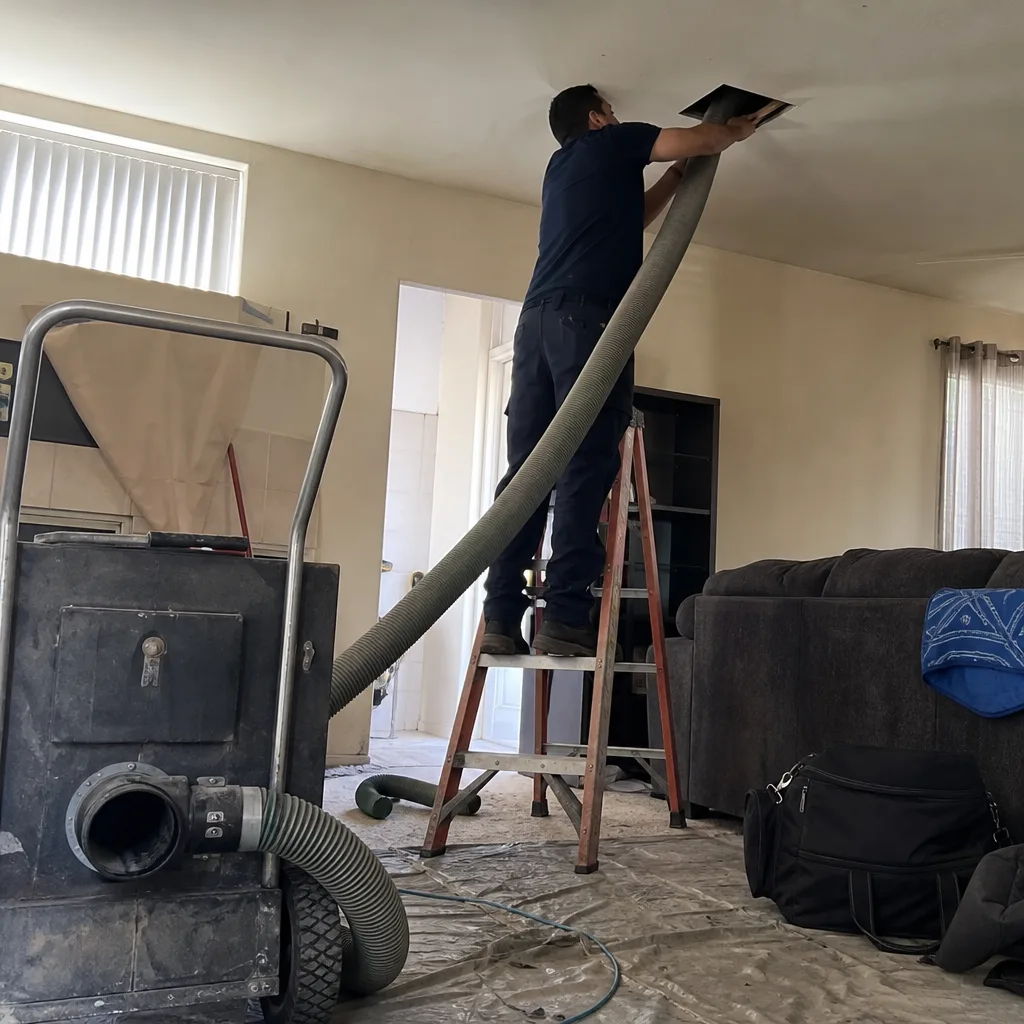 Before
 After
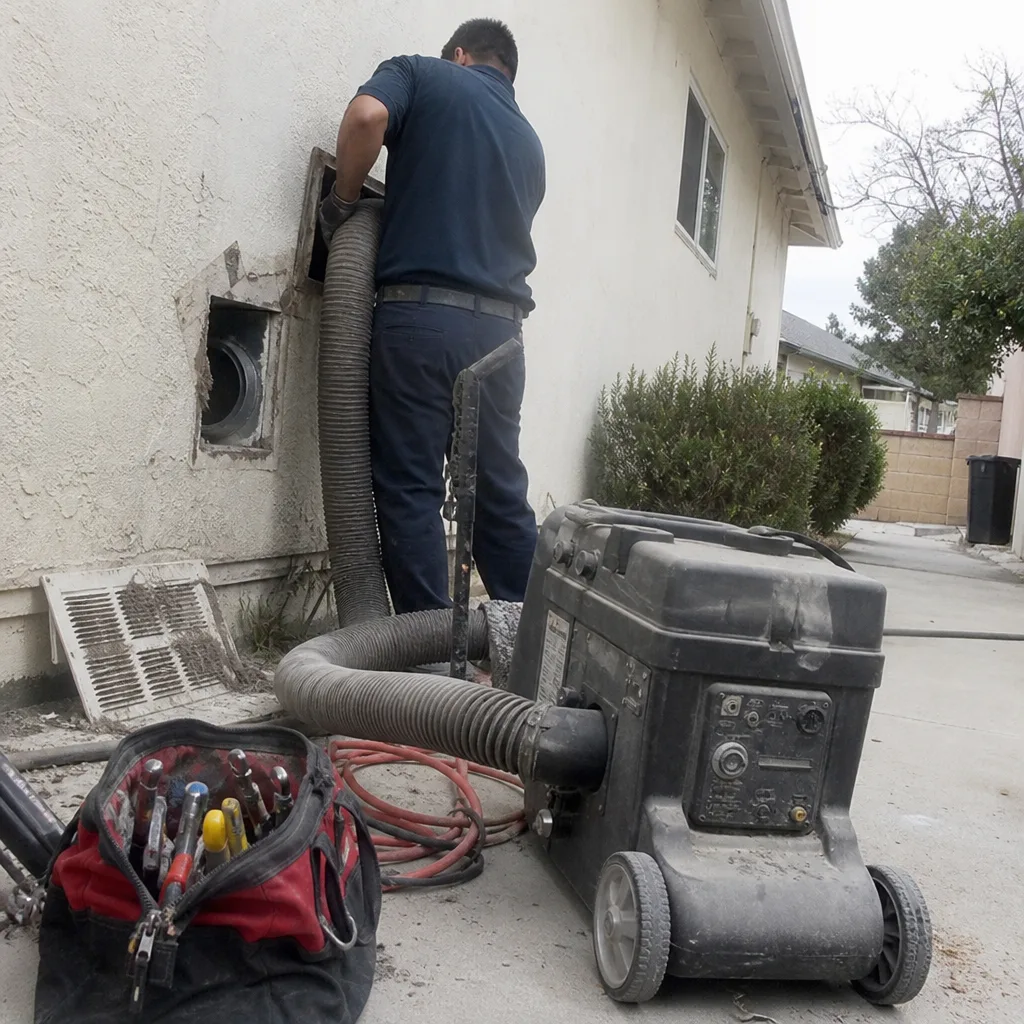 Before
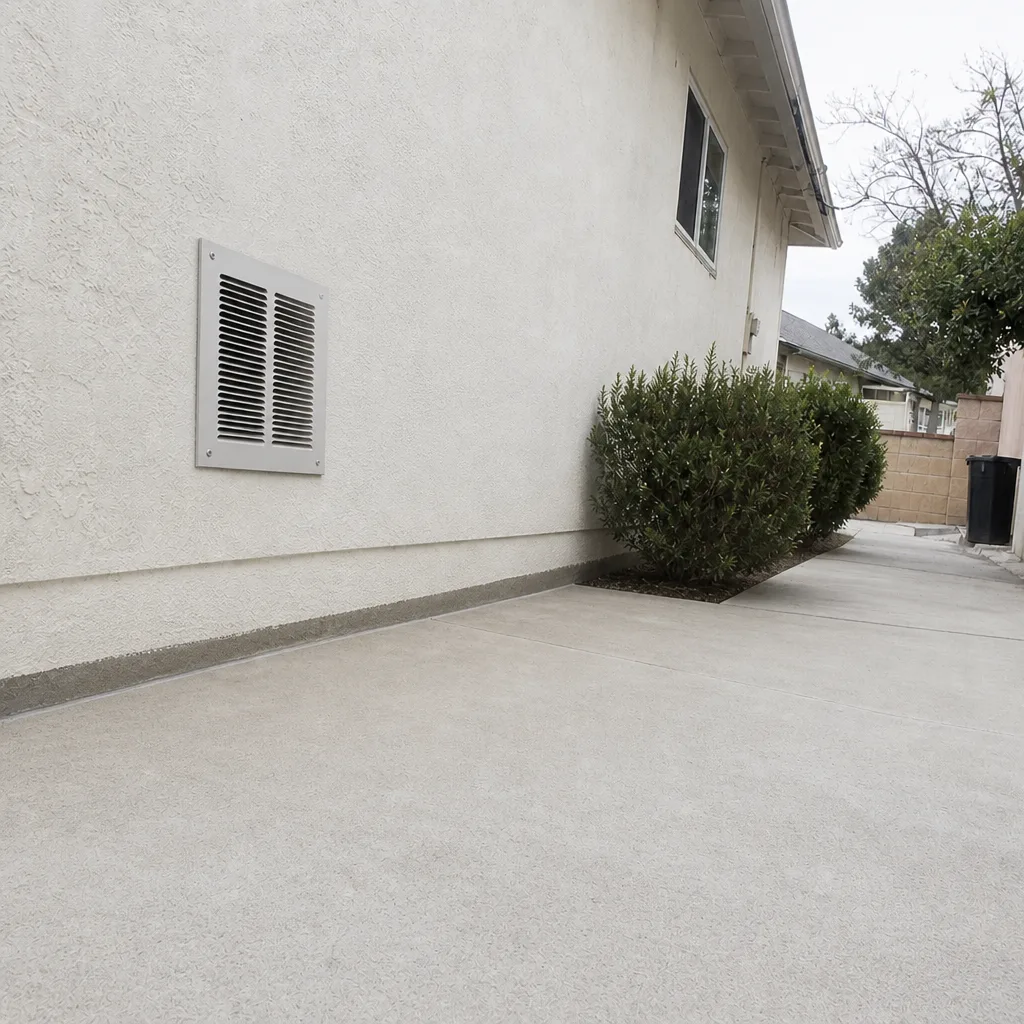 After
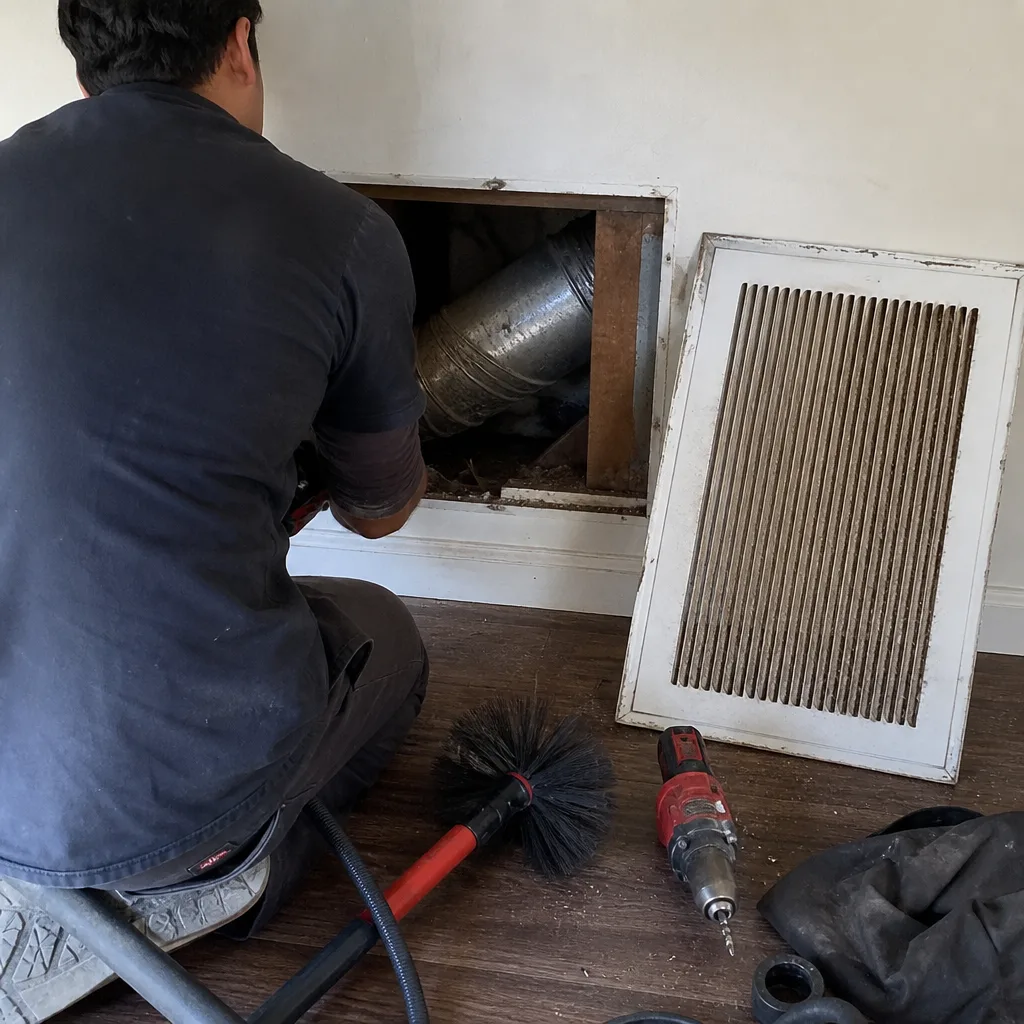 Before
 After