
Last updated November 4, 2026
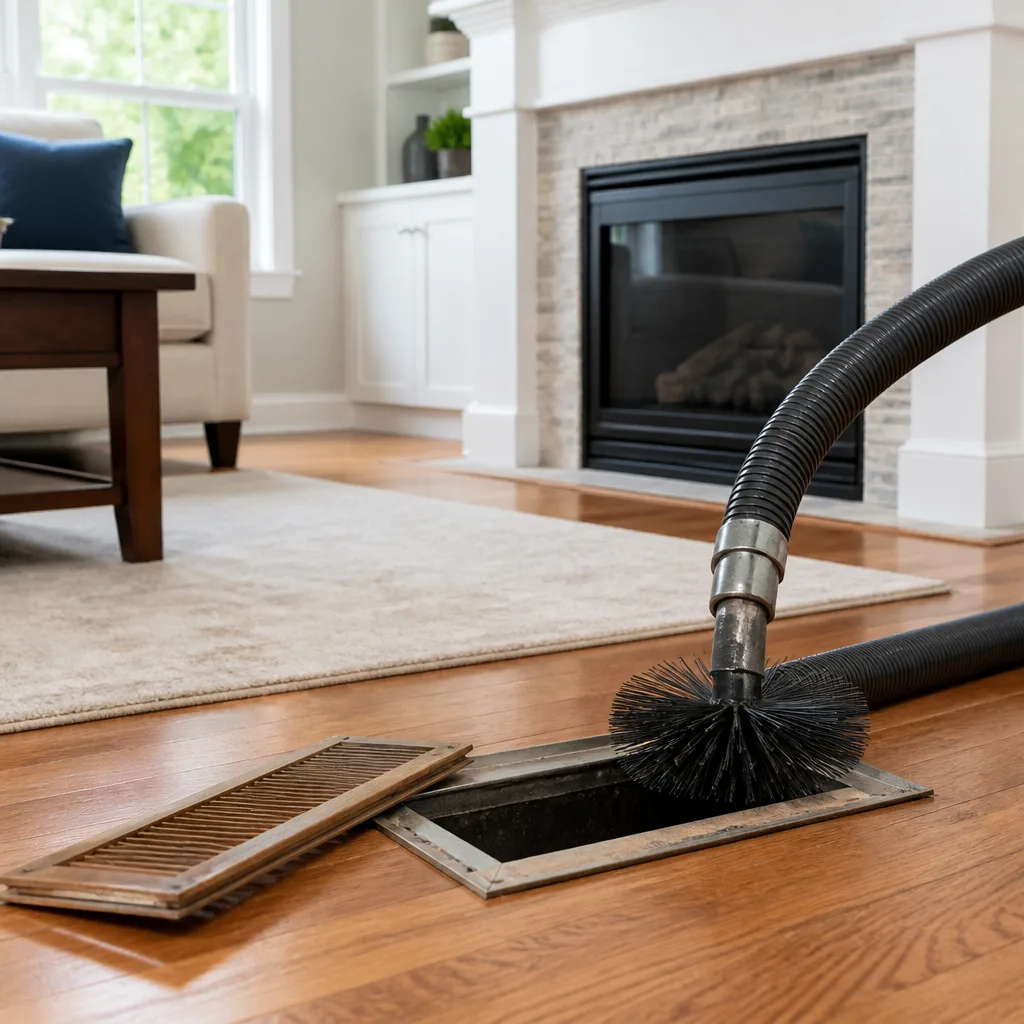 Whole-home duct cleaning
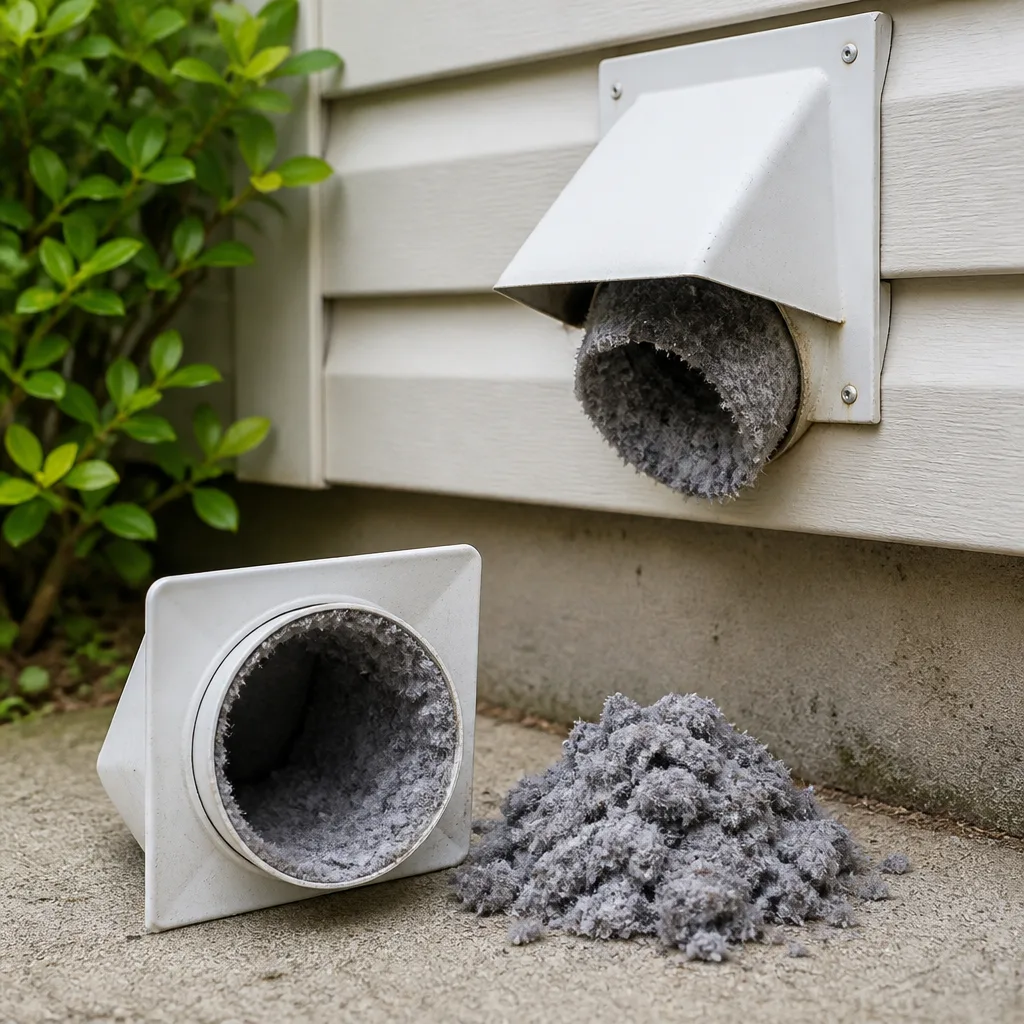 Dryer vent cleaning
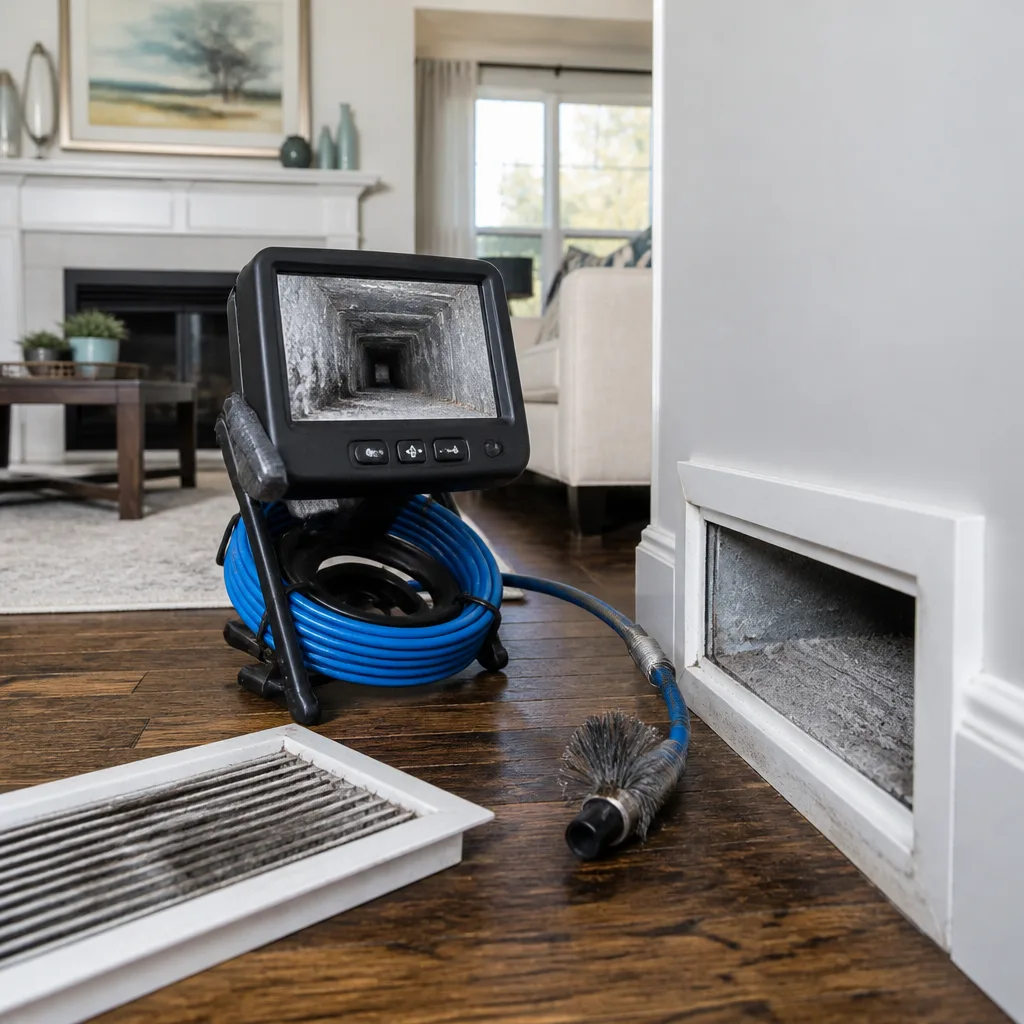 Camera inspection
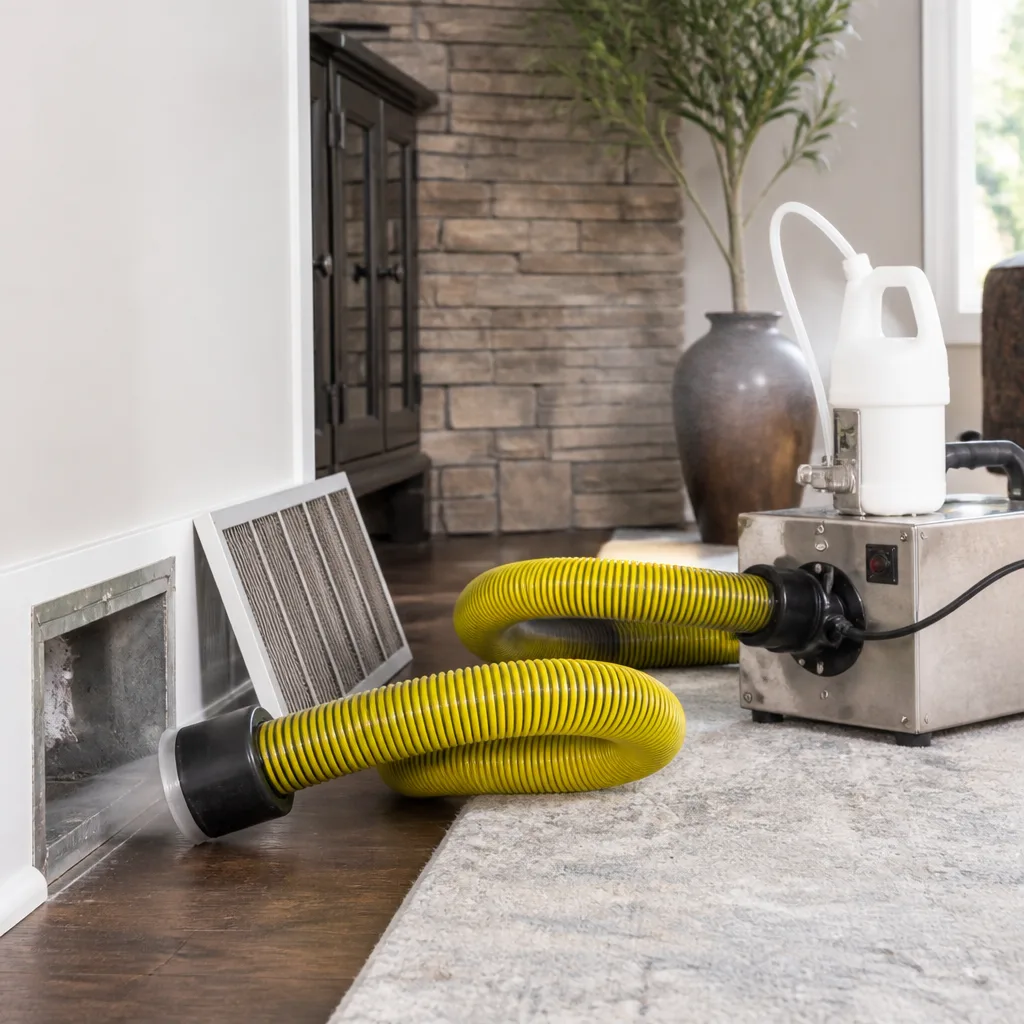 Sanitizing & deodorizing
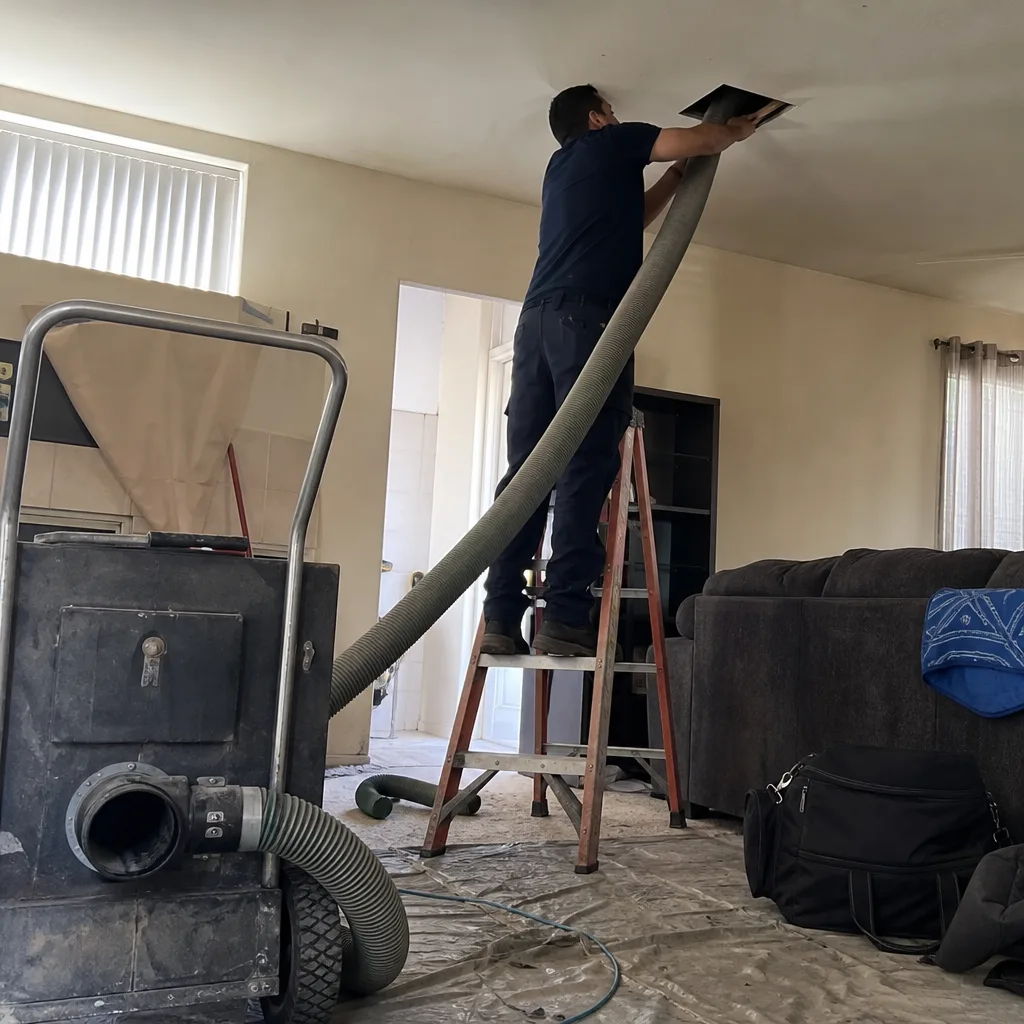
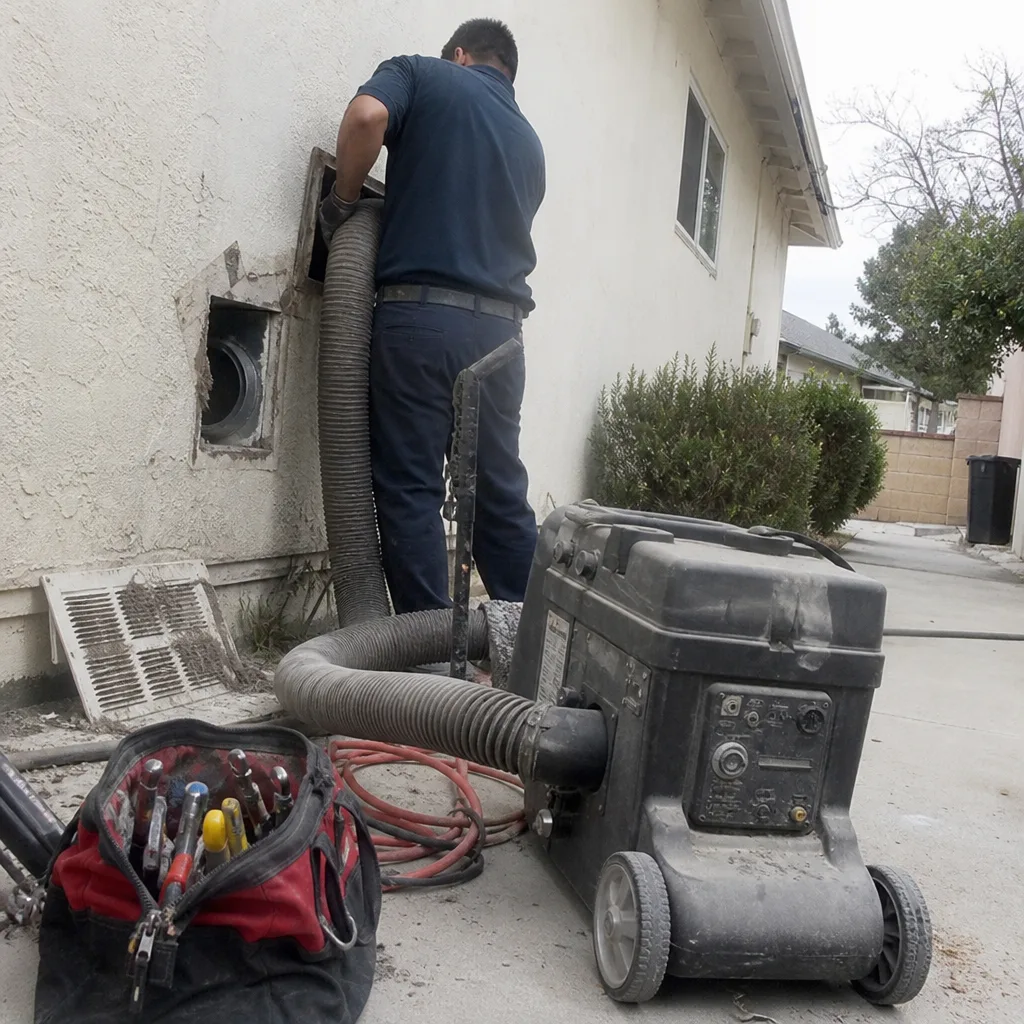
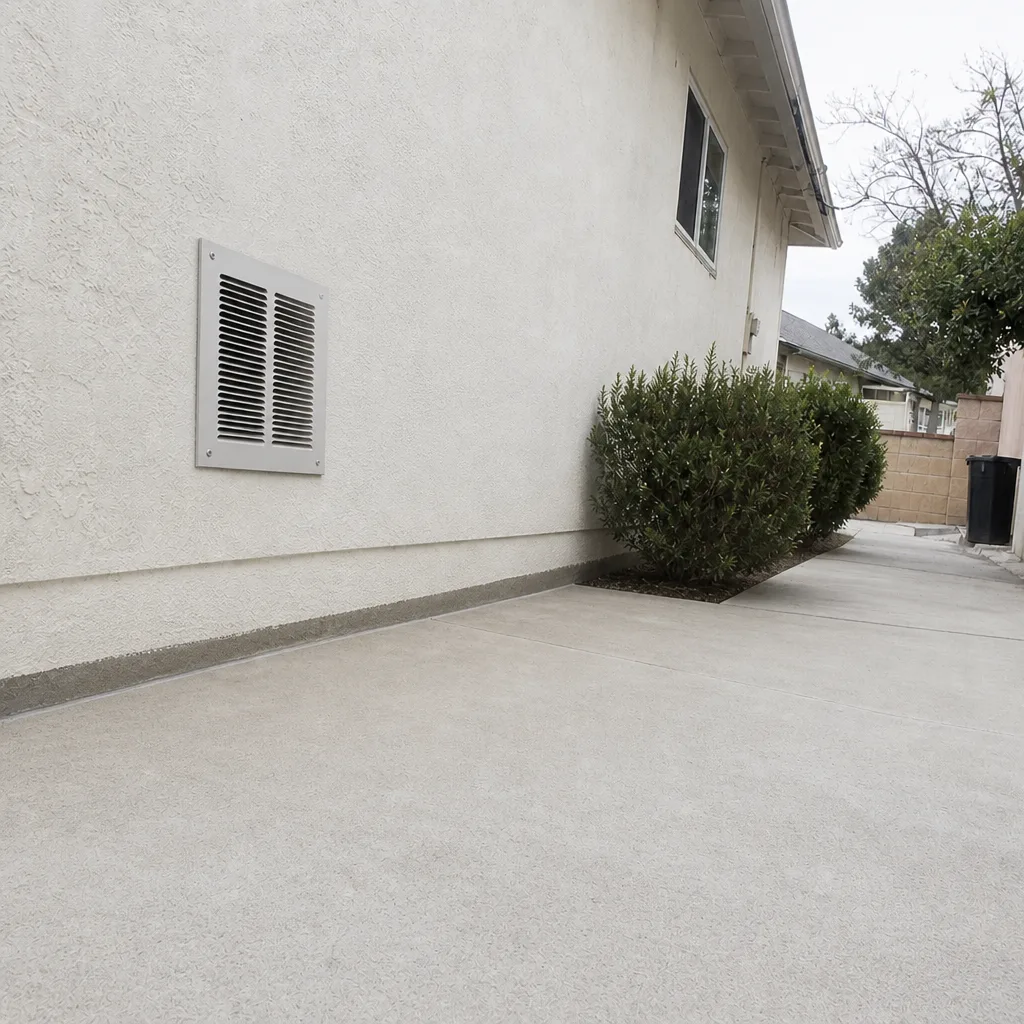
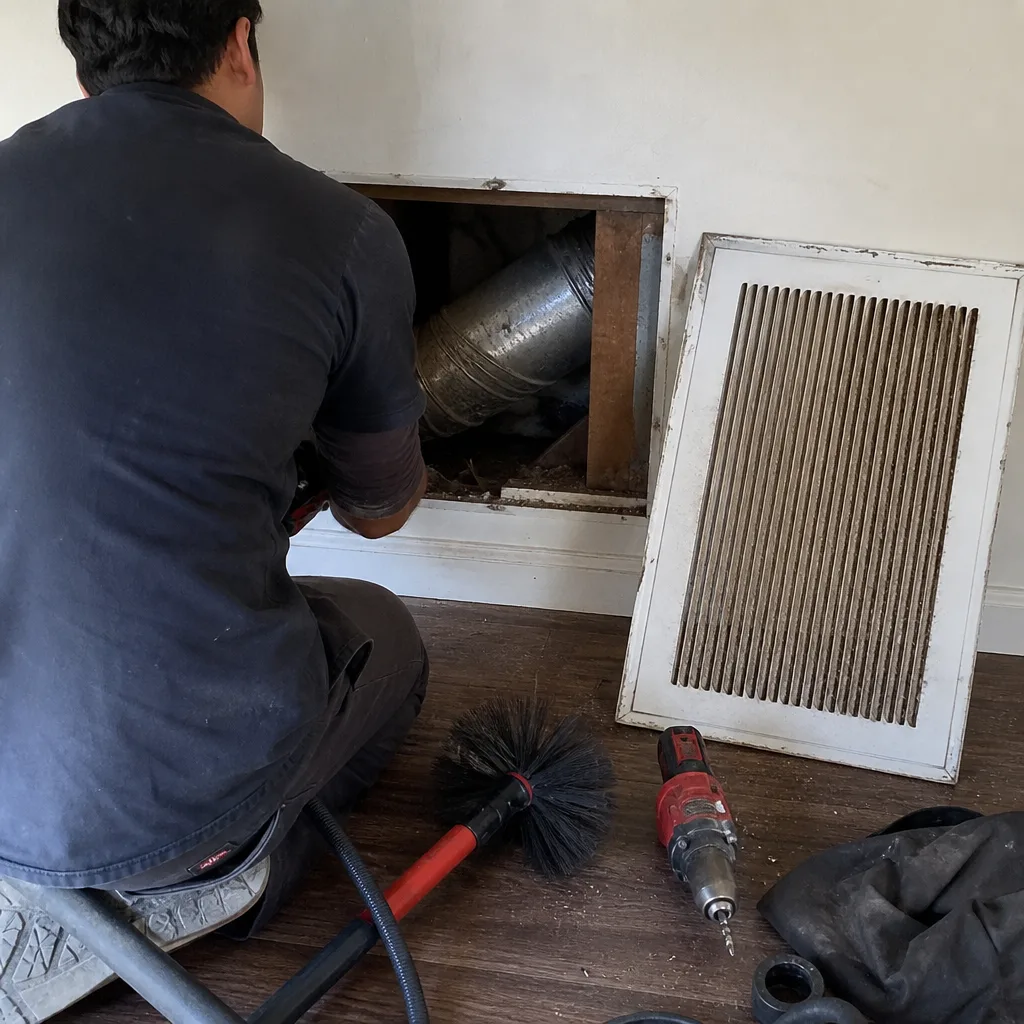
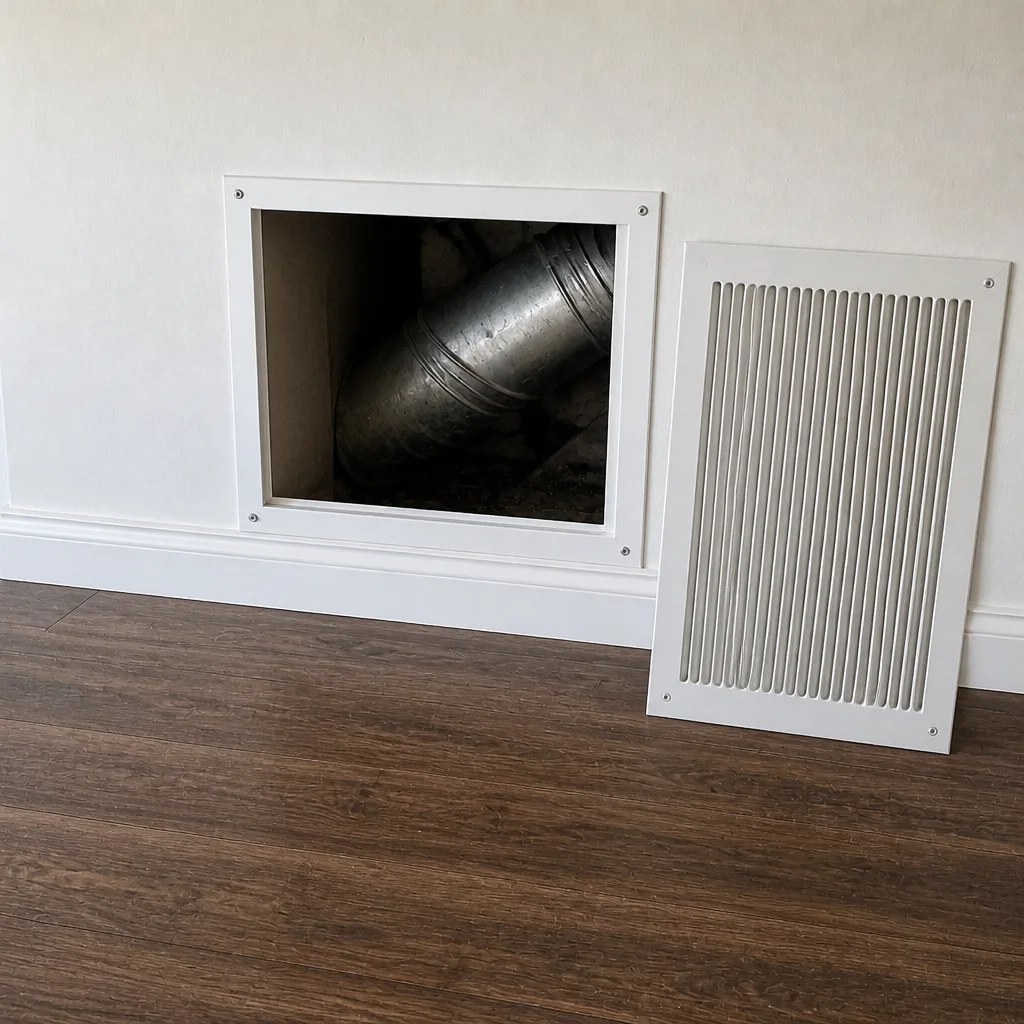
Whole-system duct and dryer vent check with before-and-after photos - you see exactly what came out of your vents
That "$99 whole-house special" is a bait ad - the real number appears once they are in your hallway, or the "clean" is a shop-vac at the register. We photograph the inside of your ducts before and after instead.
Air Duct Cleaning Maintenance Schedule: What to Do and When
The “3-to-5-year” air duct cleaning recommendation printed on every HVAC brochure and repeated on every generic website was engineered to fit every home in America. Which means it’s optimized for none of them. A Buena Park house with two indoor dogs, basic fiberglass filters, and ductwork running through a 1970s attic collects dust on a completely different timeline than a newer sealed home with MERV-11 filtration and no pets. If you’re following a universal schedule, you’re either cleaning too early and wasting money, or waiting too long and breathing the difference. This guide builds a maintenance calendar around your system, not a brochure.
Styles & brands we work with
- Whole-home duct cleaning
- Dryer vent cleaning
- Camera inspection
- Sanitizing & deodorizing
Quick Answer
Most Buena Park homes need professional air duct cleaning every 3 to 5 years, but the honest answer is that your interval depends on four variables: how many people and pets live in the home, what grade of filter you run, whether you’ve renovated recently, and what kind of duct material carries your air. Homes with shedding pets, MERV-6 or lower filters, or recent drywall work often need cleaning every 2 to 3 years. Homes that are newer, tightly sealed, and running MERV-11 or better filtration can sometimes stretch to 5 years or more. The filter is your dashboard: what it catches tells you what’s accumulating deeper in the system.
Table of Contents
- The Problem with Universal Recommendations
- The Four Load Factors That Actually Set Your Schedule
- Reading Your Filter: The Diagnostic Tool You Already Own
- How Buena Park’s Climate Accelerates Dust Accumulation
- A Seasonal Maintenance Calendar for Buena Park Homes
- The Dryer Vent Runs on Its Own Clock
- What to Inspect Between Professional Cleanings
- Common Mistakes to Avoid
- When to Call a Professional
- Frequently Asked Questions
- The Bottom Line
The Problem with Universal Recommendations
Here’s the uncomfortable truth: a fixed-interval cleaning schedule is a sales tool, not a maintenance principle. The National Air Duct Cleaners Association suggests cleaning every 3 to 5 years as a baseline, but that baseline assumes an “average” American home. We’ve worked in Buena Park long enough to know the average doesn’t exist. A 1,400-square-foot ranch built in the 1960s with original ductwork, two cats, and a family of five has nothing in common with a 2,900-square-foot newer build occupied by two adults with no pets and a whole-house media filter.
This matters because the consequences of mistiming are real in both directions. Clean too early and you’ve spent money removing dust that isn’t there yet. Wait too long and contaminants build up to the point where cleaning becomes more labor-intensive, your blower motor works harder against restricted airflow, and your indoor air quality declines measurably well before you see dust on the registers. The maintenance schedule you need is a decision framework, not a calendar reminder. Here’s how to build it.
The Four Load Factors That Actually Set Your Schedule
Your duct system accumulates debris at a rate driven by what enters the home and what your filter stops. These are the variables that change the math.
1. Occupancy and Pets
Humans shed skin cells constantly. Each person in a home adds roughly half a pound of skin flakes per year, much of which becomes airborne and cycles through the return registers. Add pets and the load multiplies. A single medium-sized dog or cat generates dander, hair, and tracked-in particulate that dwarfs what two adult humans produce. A Buena Park home with two residents and no pets can often go the full 5 years between professional cleanings. The same floor plan with two Labrador mixes and three kids may need cleaning every 24 to 30 months. Count bodies, including the four-legged ones, and adjust accordingly.
2. Filter Grade and Discipline
Your filter is the gatekeeper between your living space and your ductwork. A basic fiberglass filter rated MERV-2 to MERV-4 catches large particles only: pet hair, visible dust, lint. A MERV-8 catches pollen, dust mites, and mold spores. MERV-11 and above starts capturing fine particulate down to the 1-micron range, including much of what triggers allergy symptoms. The lower your filter grade, the more passes through to coat the inside of your ducts. Equally important is whether you actually change it. A MERV-11 filter left in place for 8 months is doing less work than a fresh MERV-6. Filter discipline matters as much as filter grade.
We work with air duct cleaning clients throughout Buena Park whose filters tell the story before we ever open a register. If you run a high-efficiency Honeywell media filter and change it on schedule, your duct system stays cleaner longer than a neighbor running the cheapest 3-pack from the hardware store. The filter choice is the single biggest lever you control on your cleaning interval.
3. Renovation and Construction History
Drywall dust is the great accelerator of duct contamination. It’s fine enough to stay suspended in air, heavy enough to settle everywhere, and it bypasses most residential filters entirely. If you’ve done any remodeling in the last two years – a kitchen renovation, a room addition, even a significant drywall patch and repaint – assume your ducts took on a meaningful dust load. The same applies to homes purchased from flippers who did work without sealing off the return registers. We’ve cleaned systems in Buena Park where renovation dust inside the ductwork was visible a quarter-inch deep on the trunk line walls. If the home you live in underwent renovation before you moved in, get a visual inspection before assuming you’re on a standard schedule.
4. Duct Material and System Age
Sheet metal ducts accumulate dust differently than fiberglass duct board or flexible duct. Rigid metal is smooth: particulate settles on flat surfaces and releases back into the airflow when disturbed. Flex duct is corrugated: dust catches in the ridges and holds fast. Fiberglass duct board is porous: it traps particulate against a rough surface and holds moisture differently in humid weather. Older Buena Park homes with original metal ductwork from the 1960s and 1970s often have gaps in the joints and seams, which means the system pulls air from unconditioned attic or crawl space areas rather than through the filter. That unfiltered air carries whatever’s in the attic: insulation fibers, dust, the fine particulate that settles over decades. System age and duct type should be part of your interval calculation, not an afterthought.
Reading Your Filter: The Diagnostic Tool You Already Own
Your used filter is a report card for the air moving through your home. Before you throw the next one away, look at it. Not just at how dirty it is, but at what kind of dirt it caught. The pattern tells you what’s circulating in your system.
Gray, Fine, Uniform Dust
A filter that comes out covered in an even layer of fine gray powder is doing its job on normal household dust. This is skin cells, fabric fibers, and outdoor particulate that found its way inside. It’s normal, and it’s what dust looks like. If it takes 60 to 90 days to reach this state, your filter is sized right and working properly.
Visible Pet Hair and Larger Debris
Hair clumps and visible fibers on the filter mean your system is catching material that should be caught at the point of origin. This is normal for pet households, but it signals that a significant amount of dander, which is far smaller than the hair, is passing through. If you see heavy pet hair on the filter, your duct system is accumulating the dander that comes with it, which means your cleaning interval should shorten.
White or Chalky Dust
Fine white dust that feels gritty between your fingers often indicates drywall or plaster particulate. In a home that’s been renovated, this is renovation dust recirculating through the system. In an older home, it can also be degrading duct insulation or ceiling texture. Either way, it’s not normal household dust and it warrants a closer look at where it’s coming from.
Black or Gray Streaks Near the Filter Frame
Dark streaking at the edges of the filter often indicates bypass: air moving around the filter rather than through it. A poorly seated filter allows unfiltered air to enter the blower and duct system directly. If you see streaks on the frame or the filter slot, check that the filter sits flush and there are no gaps in the filter rack. This is also worth mentioning during your next cleaning.
Moisture Staining or Musty Odor
Discoloration that looks watery, or a filter that smells musty when you pull it out, points to moisture in the system. Coastal Buena Park humidity means condensation can form on the evaporator coil during the long cooling season, and that water can wick into filter media and duct surfaces. Moisture plus organic dust creates the conditions for microbial growth. A musty filter is a signal to inspect the coil and the duct interior sooner rather than later.
How Buena Park’s Climate Accelerates Dust Accumulation
Buena Park’s climate doesn’t create the freeze-thaw extremes other regions deal with, but it has its own dust dynamics that most homeowners never connect to their HVAC system. Summers are dry and warm, which means windows open on pleasant evenings invite fine airborne particulate into the home. The bigger factor is the Santa Ana wind season, usually from September through November. Santa Ana events drive dry desert air through the region and kick up astonishing amounts of dust, pollen, and fine particulate. Homes with older windows, worn door seals, or unconditioned attic spaces pull that particulate indoors, where the HVAC system draws it through the return registers.
What does that mean for your maintenance calendar? The days and weeks following a Santa Ana event are the right time to check your filter, regardless of its normal replacement schedule. If the filter comes out visibly loaded after a wind event, that’s a sign your home envelope is allowing significant infiltration and your duct system is taking on dust at an accelerated rate. Consider scheduling filter inspections seasonally: after the windy fall period, during the height of spring pollen, and any time you notice a visible dust film on surfaces within 48 hours of cleaning. Each check tells you something about what’s making it into your system.
A Seasonal Maintenance Calendar for Buena Park Homes
Here’s a practical cadence that works for the rhythms of this region. This assumes a typical Buena Park household with average occupancy. Adjust shorter if you have pets, run basic filters, or have renovated in the past two years.
Every 60 to 90 Days: Filter Replacement
- Inspect the old filter before discarding it. Note the dust type, color, and any streaking or moisture staining. This is your diagnostic read.
- Install a replacement filter of the correct size and orientation. The arrow on the filter frame points toward the blower motor, not toward the return grille.
- Check the filter rack for gaps. If you see a visible gap between the filter and the slot it sits in, air is bypassing the filter and carrying dust directly into the system.
- Wipe the return grille while you’re there. A dusty return grille is a reminder that the air entering your system carries more particulate than you realize.
Every 6 Months: Visual Duct Inspection
- Remove one or two supply registers in the rooms you use most. Use a flashlight to look down the register boot, the metal transition that connects the register to the main duct run.
- Look for visible dust accumulation. A light film of dust is normal. Clumps, thick buildup, or debris that looks like construction material is not.
- Check for signs of moisture. Rust on the inside of the boot, peeling paint near the register, or visible dark staining indicates water has been present.
- Note any unusual odor. A musty or burnt smell when the system starts up should be investigated, not ignored.
After Santa Ana Wind Events: Filter Check
Pull the filter and look at it. If it’s visibly loaded after a wind event that lasted only a few days, your home is letting in more outdoor particulate than it should. This is worth noting for your next professional visit. Our Duct Cleaning Buena Park team uses Rotobrush equipment that shows you the duct interior on camera before and after, which makes these observations concrete rather than speculative.
Every 3 to 5 Years (Or Sooner Based on Factors): Professional Cleaning
This is the interval that actually matters. The variables we covered earlier determine where you fall in this range. A two-person household in a newer home with good filtration can go 5 years. A family with pets, basic filters, and an older home should consider 3 years or less. The best way to know is to have the ducts visually inspected with a camera, which removes the guesswork.
The Dryer Vent Runs on Its Own Clock
The dryer vent is often lumped into duct cleaning conversations, but it belongs on a separate maintenance schedule because the stakes are different. This is not about air quality or system efficiency. It’s about fire risk, and the threshold is lower than most homeowners realize.
Your dryer vent carries hot, moist air and lint out of the home. Lint is highly combustible, and it accumulates inside the vent pipe even when the exterior vent cover looks clear. The buildup threshold for a legitimate fire hazard is reached well before you notice slower drying times. The standard recommendation is professional dryer vent cleaning once a year for a household that does regular laundry, and more often for large families, homes where the dryer vent run is long or has multiple elbows, or anyone who uses dryer sheets regularly. Dryer sheets leave a waxy residue that makes lint stick to the vent walls more aggressively.
Between cleanings, watch for these signs: clothes taking noticeably longer to dry than they did a year ago, the exterior vent flap not opening fully during operation, the laundry room running hotter than normal during the cycle, or a burning smell while the dryer is running. Any of these warrants immediate attention rather than waiting for your next scheduled cleaning.
What to Inspect Between Professional Cleanings
You don’t need to open the duct system to monitor its condition. These are the practical checkpoints that tell you whether your current interval is working or needs adjustment.
At the Registers
- Dust accumulation on the register face: If register grilles collect visible dust within days of wiping them down, your system is moving dusty air that your filter isn’t catching.
- Dark streaking on walls near registers: This is a sign of particulate-laden air exiting the supplies and depositing on surfaces. It often indicates the ducts themselves are holding a dust load that’s getting picked up by the airstream.
- Uneven airflow between rooms: If one bedroom always feels stuffy while the living room blasts cold air, something is restricting flow in that branch line. This could be dust buildup, a disconnected duct section, or a damper issue.
At the Filter
- Collapse or bowing of the filter media: A filter that’s bowed outward toward the blower is telling you it’s loaded beyond its capacity and air pressure is deforming it. This means air is bypassing around the edges.
- Consistently dirty filter at 30 days: If a new filter is heavily loaded after a month, your system is processing an unusually high particulate load. This is a signal to look upstream at dust entry points and downstream at duct cleanliness.
At the Return Grille
- Visible dust mat on the grille face: The return is where air enters the system. A dust mat there is the intake side of the equation showing you what’s about to be pulled in.
- Whistling or rushing sound at the return: This indicates the grille is undersized for the airflow being pulled through it. High static pressure like this makes the whole system work harder and pulls more unconditioned air from gaps in the return plenum.
We’ve found that homeowners who keep a simple log of these observations build a better picture of their system than any generic online advice can offer. The pattern over time tells you when professional cleaning is genuinely warranted rather than merely recommended.
Common Mistakes to Avoid
- Cleaning on a fixed calendar without checking what’s actually in the ducts. Schedules are useful as reminders, but the duct system should be assessed visually before committing to a cleaning. We use camera inspection equipment from Rotobrush to show homeowners what’s inside before any work begins, which removes the guesswork from the interval decision.
- Assuming a clean filter means clean ducts. The filter catches what passes through its media, but the duct interior accumulates what got past previous filters, what entered through gaps, and what settled during construction. A clean filter today doesn’t undo what’s already on the duct walls.
- Neglecting the dryer vent because the dryer still works. Dryer vents are the most dangerous ignored component in the average Buena Park home. A vent can be dangerously restricted while the dryer still appears to function normally, just with longer cycle times that residents gradually accept as normal.
- Running a MERV-13 filter in a system not designed for it. Higher filtration is better for air quality but only if the system can handle the added static pressure. A filter that’s too restrictive chokes airflow, forces the blower motor to work harder, and can cause the system to pull air from wherever it can, including unfiltered gaps in the return.
- Treating duct cleaning as a one-time project. Duct cleaning resets the system, but the conditions that filled it in the first place continue operating. Your maintenance schedule should assume the dust returns and account for it with filter discipline and periodic inspections.
- Ignoring visible dust on surfaces as “normal for the area.” Buena Park’s dry climate does produce dust, but a home that needs dusting every few days is telling you something about its envelope and filtration. The dust on the coffee table and the dust in the ducts come from the same sources.
- Trusting a low-bid cleaning company that uses portable equipment. Consumer-grade vacuums and shop-vac setups cannot generate the negative pressure and air movement required to pull debris out of a full duct system. Professional cleaning requires professional equipment, and the difference is visible in the results. We run Nikro systems specifically because they provide the airflow and agitation that cleaning a real duct system demands.
- Using dryer sheets while never cleaning the vent. The waxy coating dryer sheets leave on clothing also deposits on the vent walls, creating a sticky surface that accelerates lint accumulation. If you use dryer sheets, your vent cleaning interval should be annual at minimum.
When to Call a Professional
Some conditions warrant an expert assessment rather than continued monitoring. If you see visible mold-like growth around registers or inside the visible duct opening, call for an evaluation. If airflow in one or more rooms has declined noticeably and you’ve ruled out a simple filter issue, the restriction could be in the ductwork itself where a camera inspection is needed. If you’re seeing dust on surfaces immediately after cleaning, your system is actively distributing particulate. If your home underwent construction or renovation without sealed registers, assume the ducts need professional attention. And if your dryer has been taking longer than 45 minutes to dry a normal load without the vent being cleaned in over a year, don’t wait for the next annual reminder.
Duct Cleaning Buena Park offers free estimates in Buena Park. Call (855) 684-4139 to schedule an assessment. We answer 24/7. Fast dispatch from 7am to 7pm, Sunday through Friday.
Frequently Asked Questions
Most Buena Park homes need air duct cleaning every 3 to 5 years, but homes with pets, basic fiberglass filters, recent renovation work, or older duct systems often need cleaning every 2 to 3 years. The deciding factors are occupant count, pet load, filter grade, and system age. A visual camera inspection is the best way to know whether your specific system is due. Call (855) 684-4139 for a free estimate.
Look for visible dust accumulation on register grilles shortly after cleaning, dark streaking on walls near supply registers, noticeably uneven airflow between rooms, a musty odor when the system starts, or a used filter that comes out heavily loaded well before its expected replacement date. If you see thick dust or debris when you shine a flashlight into the register boot, schedule a professional inspection rather than continuing to monitor.
Air duct cleaning addresses the HVAC supply and return system that heats and cools your home, with the goal of improving air quality and system efficiency. Dryer vent cleaning addresses the vent pipe that carries hot, moist air and lint from your dryer to the exterior, and its primary concern is fire prevention rather than air quality. The dryer vent runs on a separate, typically shorter maintenance schedule, usually annually.
Lower quotes typically reflect portable equipment that cannot generate the airflow needed to remove debris from a full residential duct system. Professional cleaning requires truck-mounted or high-powered portable units with significant negative pressure, and the equipment cost is reflected in the pricing. Companies using consumer-grade vacuums are often selling an incomplete service. Ask any company what equipment they use and whether they provide camera verification of the results. Our work is done with Rotobrush and Nikro systems, the same tools restoration contractors trust.
You can clean the register grilles and the visible portion of the register boot, and you should wipe those surfaces regularly. But the main trunk lines and branch runs extend well beyond the reach of any household tool, and a standard shop vacuum neither generates the airflow nor provides the agitation needed to break the dust bond on duct surfaces. Professional equipment matters for a reason. A partial cleaning that doesn’t reach the full system gives you confidence without solving the problem.
Buena Park’s dry summers and seasonal Santa Ana wind events contribute above-average airborne particulate, especially if your home has older windows or worn door seals that allow infiltration. The windy periods from September through November are a good time to check your filter regardless of its normal schedule. A filter that loads up within days of a wind event is telling you the system is taking in outdoor dust, and your cleaning interval should reflect that.
The Bottom Line
A maintenance schedule that doesn’t account for your specific home isn’t a schedule, it’s a placeholder. The variables that matter are occupancy, pets, filter grade, renovation history, system age, and how your home interacts with Buena Park’s climate. Your filter is the diagnostic tool you already own, and the register inspection is the check you can do yourself. The dryer vent runs on its own annual clock, separate from the main system. And when the time comes for professional cleaning, the equipment used on the job determines whether the work was actually done. Call (855) 684-4139 to ask about your system. We answer 24/7. Fast dispatch from 7am to 7pm, Sunday through Friday.
Written by the team at Duct Cleaning Buena Park, serving Buena Park since 2014.
See the difference
 Before
 After
 Before
 After
 Before
 After