
Last updated November 4, 2026
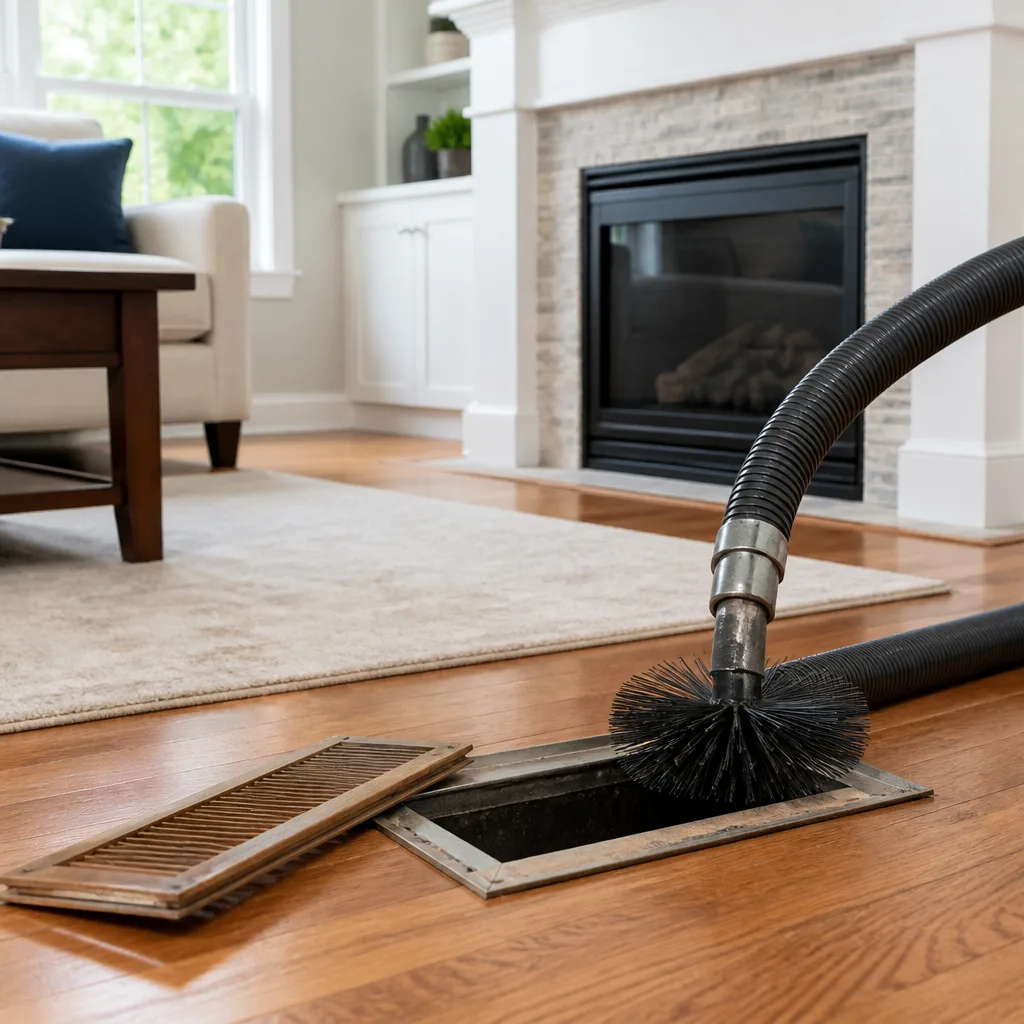 Whole-home duct cleaning
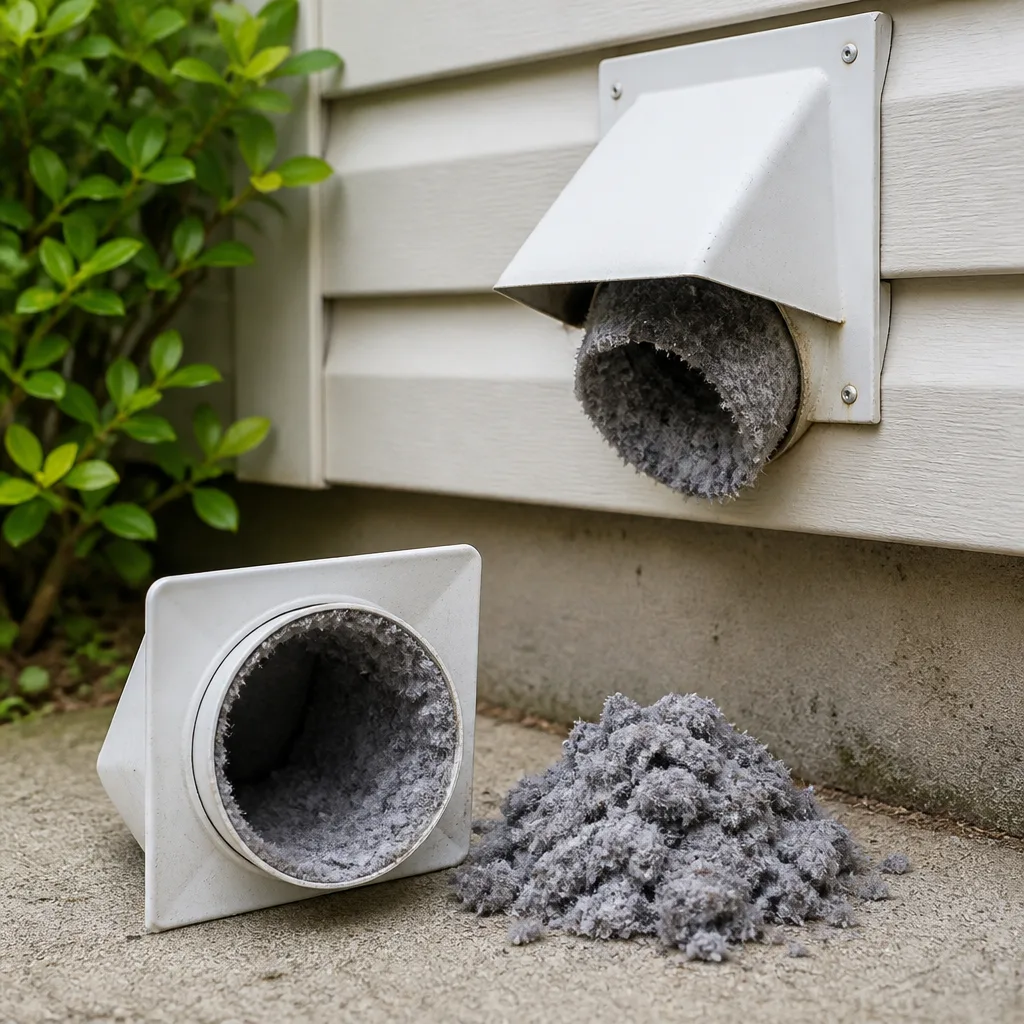 Dryer vent cleaning
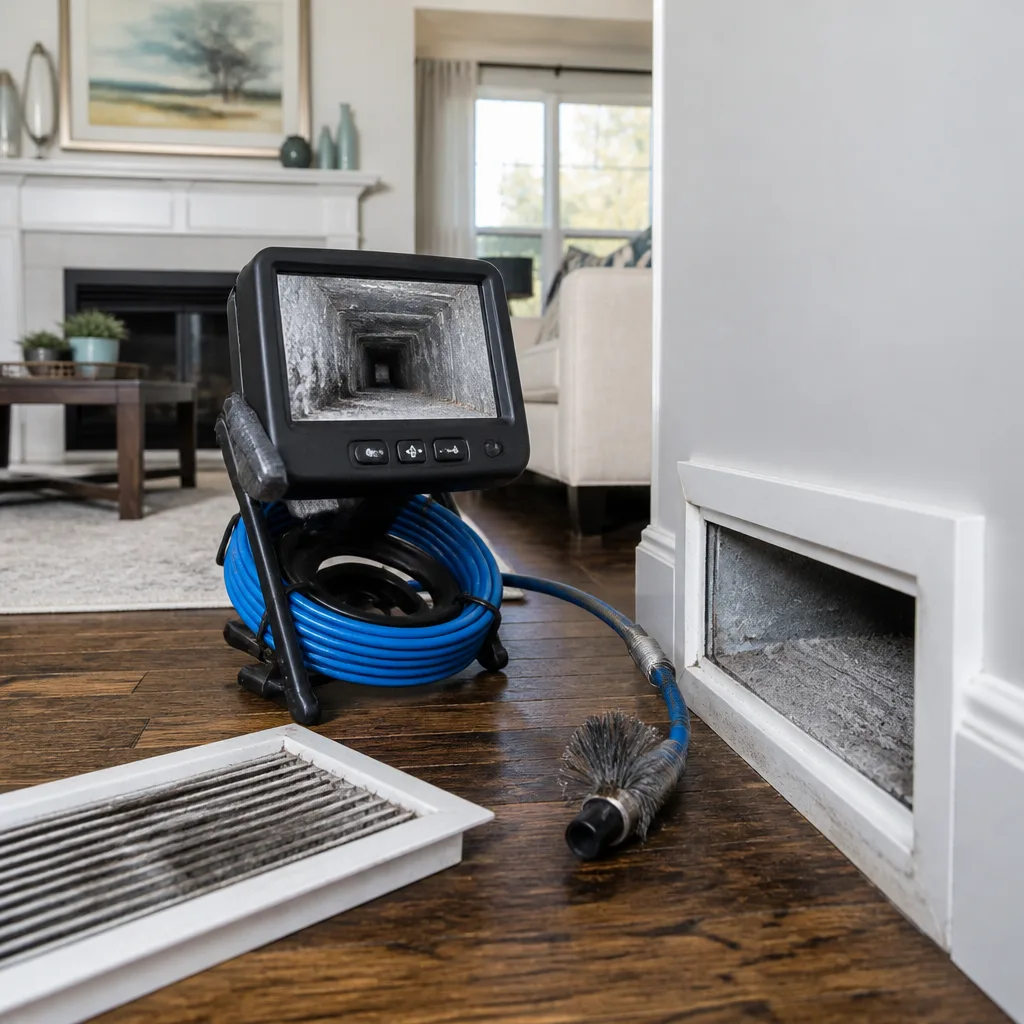 Camera inspection
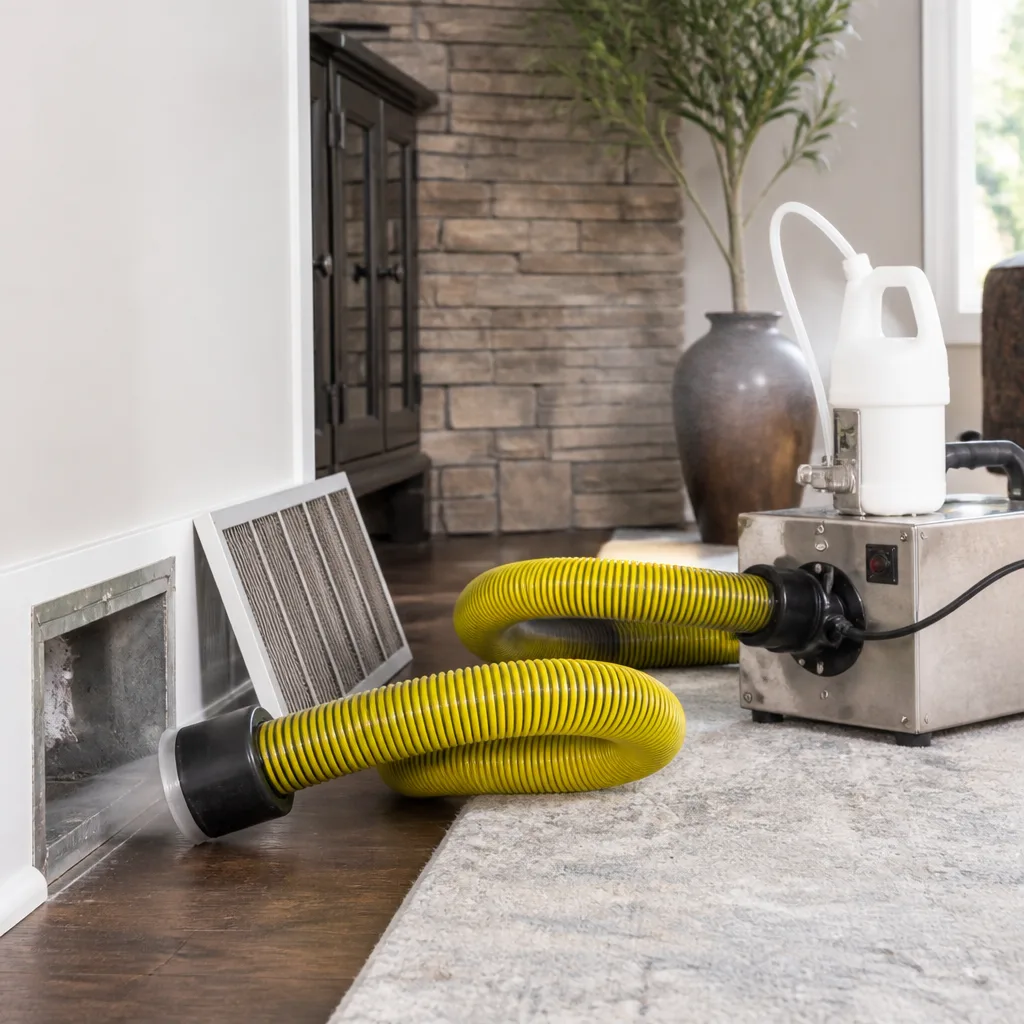 Sanitizing & deodorizing
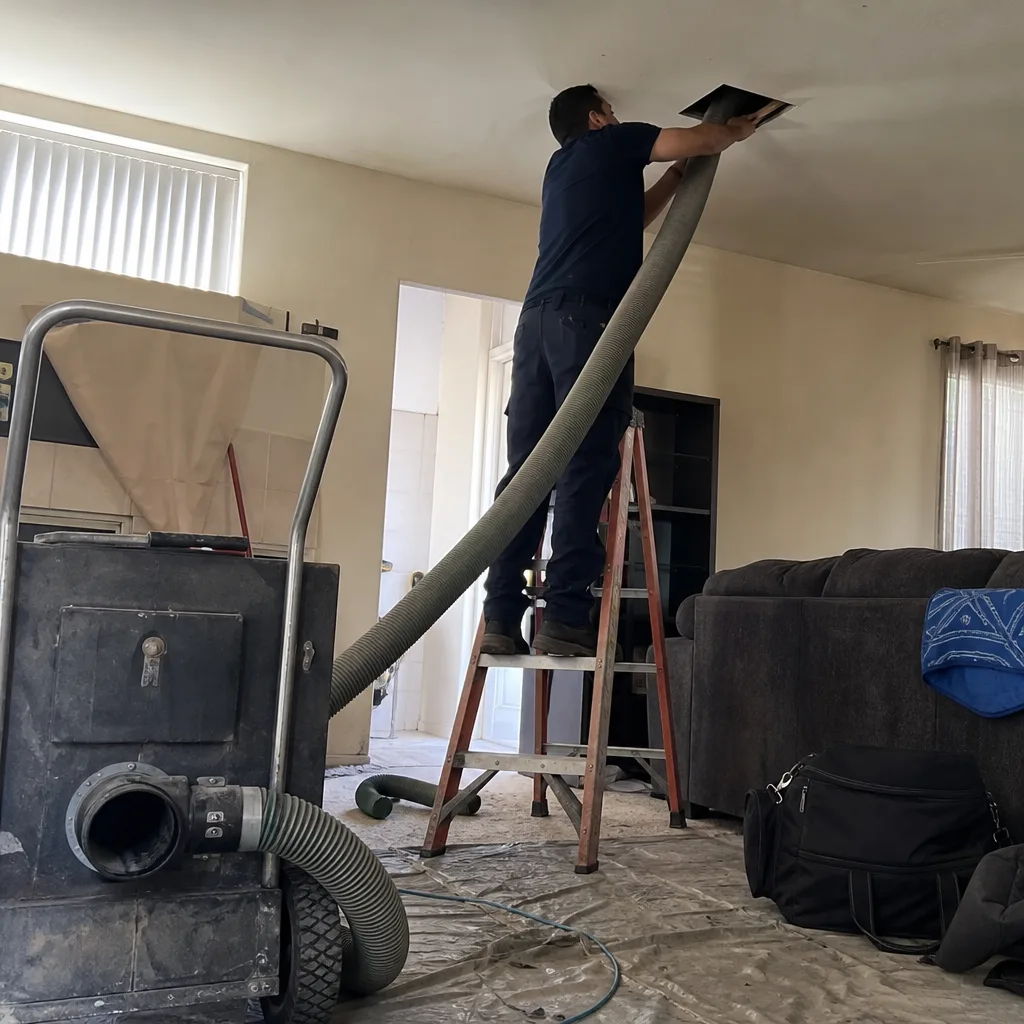
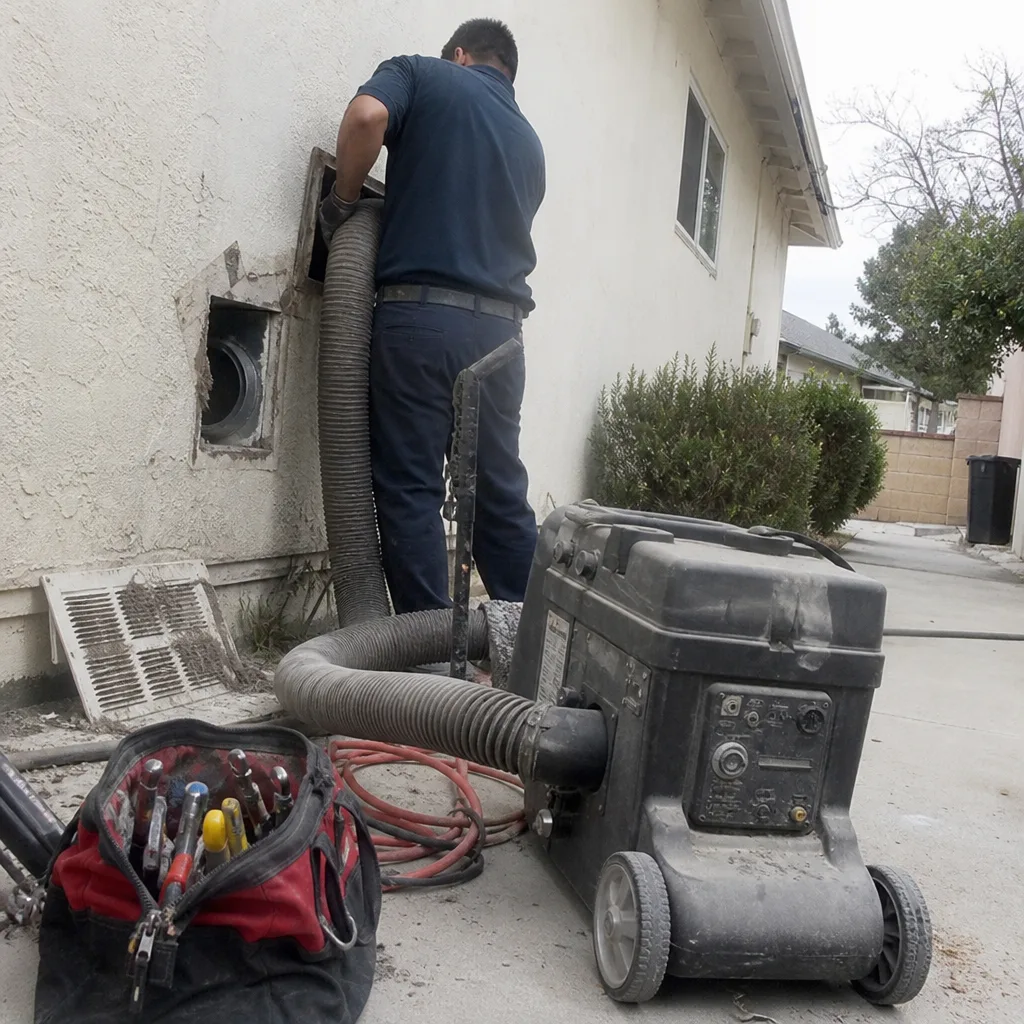
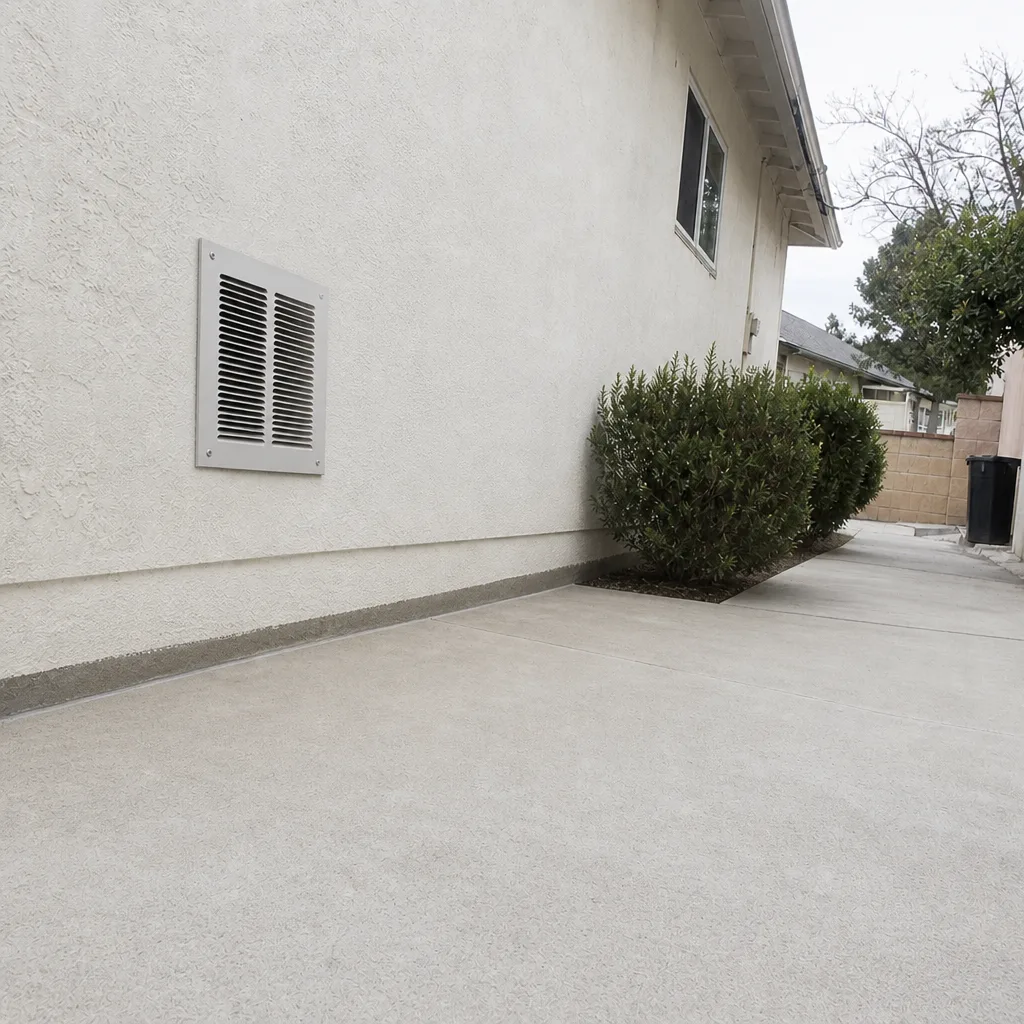
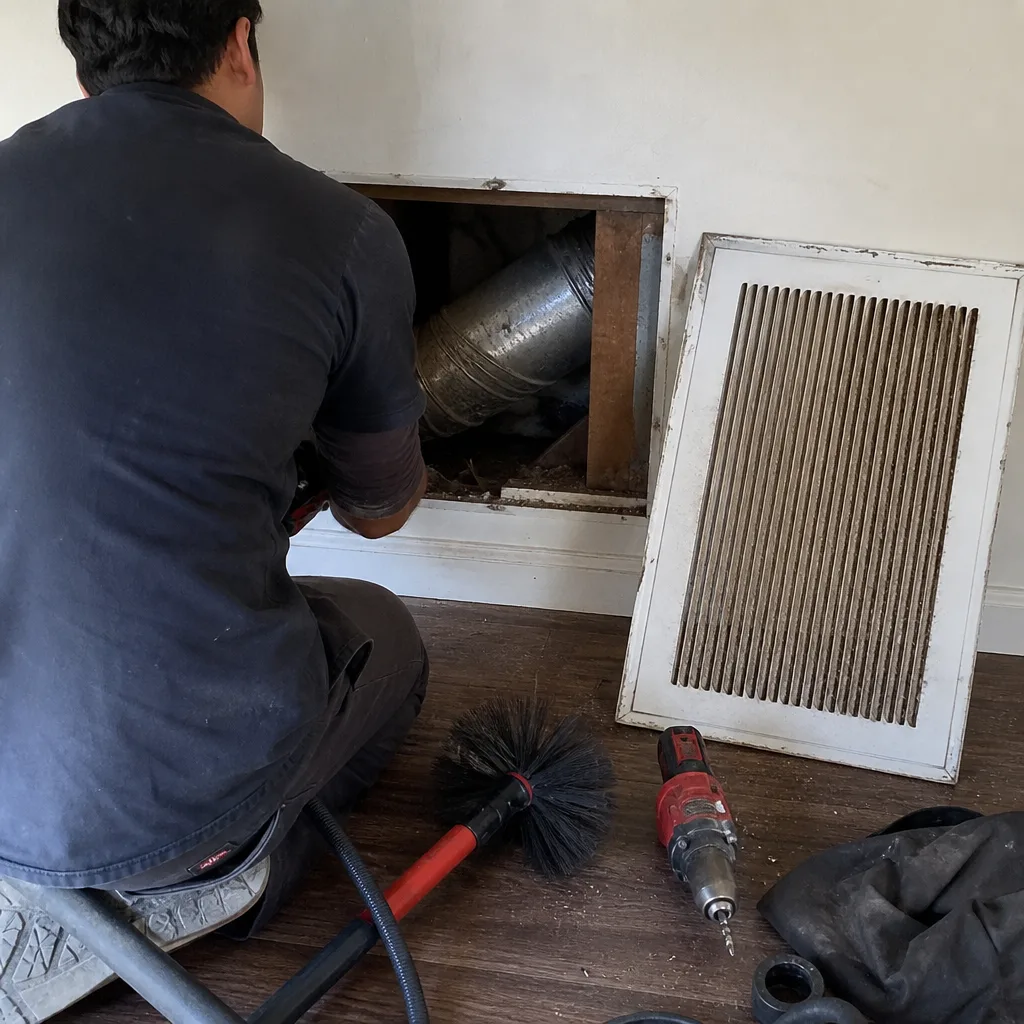
Whole-system duct and dryer vent check with before-and-after photos - you see exactly what came out of your vents
That "$99 whole-house special" is a bait ad - the real number appears once they are in your hallway, or the "clean" is a shop-vac at the register. We photograph the inside of your ducts before and after instead.
Air Duct Cleaning Warning Signs: A Buena Park Homeowner’s Reference Guide
Most people assume a duct problem will announce itself with a cloud of dust or a rattling vent. In our experience across Buena Park homes, the opposite is true. The earliest and most reliable warning signs are things you’d never associate with ductwork at all: a bedroom that never cools down, an allergy flare that starts the moment the AC kicks on, or a musty smell that only exists when the system is running. What you’re actually smelling or feeling is the inside of your duct system, and ignoring it means the condition gets more expensive to fix. This guide explains what to watch for, what each warning sign actually indicates about your ductwork, and when it’s time to call someone who can show you what’s inside.
Quick Answer
The most common air duct cleaning warning signs in Buena Park are: a musty or burning odor that only appears when your HVAC runs, rooms that stay noticeably warmer or cooler than others, dust returning to surfaces within days of cleaning, unexplained allergy or respiratory symptoms at home, and energy bills that rise during mild, stable weather. Any one of these suggests the duct system – not the filter – is the source. A visual inspection with professional equipment confirms it.
Styles & brands we work with
- Whole-home duct cleaning
- Dryer vent cleaning
- Camera inspection
- Sanitizing & deodorizing
Table of Contents
- The Musty Odor That Only Runs When the AC Does
- Airflow Imbalance as a Structural Warning Sign
- Dust Returning Within Days of Cleaning
- Allergy and Respiratory Symptoms That Track With HVAC Use
- Energy Bills Rising During Stable Weather
- What You Can See Without Opening a Panel
- How to Check Your Own Duct System in 5 Steps
- Chemical and Burning Odors: What They Really Mean
The Musty Odor That Only Runs When the AC Does
A musty odor that only appears when your HVAC kicks on isn’t a filter problem. It’s your air handler or duct liner acting as a delivery system for whatever has been growing inside the system, and a new filter won’t fix it. The filter sits at the intake and catches particles moving toward the equipment. What it cannot do is address moisture that has already settled inside the ductwork, on the coil, or in the insulation lining the plenum. When the blower runs, it pushes air across those surfaces and distributes the odor through every register. If the smell fades when the system shuts off and returns when it starts again, the source is inside the equipment or the ducts, not in the room.
Buena Park’s climate contributes to this in a specific way. We get warm, dry summers but also stretches of humidity, and many homes here run their AC for months at a time. That creates condensation inside the system. The coil sweats during every cooling cycle. If the drain pan is slow or the ducts have any air leakage pulling in humid attic air, moisture accumulates on dust and debris that is already coating the interior surfaces. That combination – organic dust plus moisture plus darkness – is the starting point for the exact odor you’re noticing. It does not go away on its own, and it typically worsens through the cooling season.
One distinction worth making: a musty smell from the vents at startup is different from a smell that fills the room continuously. The startup smell usually points to the coil or the supply plenum. A persistent smell in one specific room points to that branch of ductwork or a disconnected section pulling air from a crawlspace or wall cavity. Both are worth investigating, and both require looking inside the system, not just replacing the filter.
When we inspect a system with this complaint, we look for dust buildup on the blower, visible growth on the coil, and staining on the duct liner. Rotobrush and Nikro equipment lets us see inside the duct runs before we touch anything, which matters because the right fix depends on what is actually there. You cannot clean away what you haven’t seen. If the odor is tied to a specific supply run, the duct itself is the issue and air duct cleaning may be the appropriate step. If it is coming from the equipment, the duct cleaning alone won’t resolve it, and a knowledgeable technician will tell you that before quoting anything.
Airflow Imbalance as a Structural Warning Sign
Rooms that never seem to reach the thermostat temperature are often blamed on the HVAC unit being undersized or old. In a meaningful number of Buena Park homes, the actual cause is something happening inside the duct system. Ducts are not passive tubes. They can separate at joints, collapse under insulation weight or attic heat, get crushed by stored items, or fill with enough debris to narrow the airway. Any of those conditions reduces airflow to a specific room, and the symptom is always the same: the room is too warm in summer, too cool in winter, and the register feels weak compared to others in the house.
Here is how to tell the difference between an HVAC sizing issue and a duct issue. If the unit runs and the airflow is strong at some registers but weak at others, the problem is in the duct system. A properly sized unit distributes air evenly. If one register feels like a strong wind and another barely moves a tissue, the imbalance is downstream of the equipment. This typically means one of three things: a blockage somewhere in that branch line, a disconnection where the duct has pulled away from the register boot or the main trunk, or a collapse where the flexible duct has folded or been crushed.
Each cause produces a slightly different pattern. A blockage tends to reduce airflow gradually over time as debris accumulates. A disconnection usually produces a noticeable step-change: airflow was fine, then one day it wasn’t. A collapse can be either. The important point is that none of these conditions improve on their own. A collapsed flex duct does not re-inflate. A disconnected joint does not re-seat itself. And a blocked branch line keeps accumulating whatever is already inside it.
This is also where the distinction between cleaning and repair matters. If the airflow loss is from debris buildup, professional cleaning removes it. If the duct has separated or collapsed, cleaning alone won’t restore airflow, and the system needs Duct Cleaning Buena Park services that include repair work. We carry the equipment to assess both conditions. The same inspection that finds the blockage also finds the structural failure, because we look at the entire run rather than just the register opening. Homeowners in Buena Park who notice a weak register should not wait through another season hoping it resolves. It won’t.
Dust Returning Within Days of Cleaning
You dust the living room on Sunday. By Wednesday, the coffee table has a visible film again. The first instinct is to blame the housekeeper, the dog, or the open windows. In many Buena Park homes, the source is the duct system. When the blower runs, it pulls return air through the filter and pushes conditioned air through the supply ducts. If those supply ducts have an internal coating of dust and debris, every cycle loosens some of it and delivers it into your living spaces. You are not seeing dust fall. You are seeing dust delivered.
This is different from a dirty house. A home with clean surfaces and clean floors that still develops a film within days is almost always dealing with internal dust load. The tell is the pattern. Dust from normal living settles mostly on horizontal surfaces near activity: tables, shelves, floors. Dust from ductwork settles evenly on everything, including the top edges of picture frames, the blades of ceiling fans, and the tops of cabinets. It also tends to reappear fastest in the rooms closest to the air handler, where the air leaves the unit at highest velocity.
What makes this warning sign particularly useful is that it persists even after a thorough house cleaning. You can clean every surface in the room, and the dust returns because the source is upstream of the room. The filter cannot stop it. Filters in most Buena Park homes are designed to protect the equipment from large particles, not to polish the air in the living space. A one-inch fiberglass filter catches very little of what moves through a duct system. If you want better filtration, Honeywell and Aprilaire make media filters and electronic air cleaners that pair with a properly cleaned duct system. But no filter, no matter how good, fixes a duct system that is already loaded with debris. The filter only catches what reaches it; it cannot clean what is already caked onto the duct walls downstream.
The fix starts with seeing what is inside. We use Nikro and Rotobrush equipment specifically because they let us show homeowners the condition of their ducts before and during the work. When the source of the dust is internal debris load, a professional cleaning removes it. When the source is damaged ductwork pulling dust from an attic or wall cavity, the repair approach is different. Either way, you should know which one you’re dealing with before anyone starts the job.
Allergy and Respiratory Symptoms That Track With HVAC Use
Sneezing, itchy eyes, congestion, or a dry cough that gets worse at home and improves when you leave is a pattern worth paying attention to. In Buena Park, where many homeowners keep windows closed and run AC for months, the indoor air can become more irritating than the outdoor air. The question is whether the HVAC system is part of the problem or just moving air around while the real source sits in the carpet or the bedding. The pattern that points to ductwork is symptoms that track with system operation: you feel fine when the AC is off, and symptoms appear within an hour of it running.
Duct contamination contributes to respiratory symptoms in two ways. First, the blower agitates and distributes whatever is inside the system: dust mites, pest droppings, mold spores, construction debris, and the fine particles from years of cooking, cleaning chemicals, and candle use. Second, if the ducts are pulling air from an attic, crawlspace, or outside wall through a leak or disconnection, the system is actively introducing whatever lives in those spaces. Both mechanisms mean the air you breathe at home is being processed through a contaminated channel.
It is worth being honest about the limits here. Duct cleaning is not a medical treatment, and no reputable company should claim it is. If you have a diagnosed allergy, speak with your doctor about environmental controls. What we can tell you from experience is that removing the debris load from the duct system removes one source of particulate exposure. For a Buena Park homeowner with dust mite sensitivity or seasonal allergies, clean ducts paired with proper filtration – Honeywell and Aprilaire are the names we work with most – can reduce the total particle load in the home. The effect is tangible, even if it is not the same as treating the allergy itself.
We also carry Abatement Technologies equipment for situations where air quality is a more serious concern. That matters because standard duct cleaning addresses surface dust and debris; it is not designed for elevated contamination scenarios. If you suspect mold, pest infestation, or post-construction contamination, the assessment should be different from a routine cleaning. Knowing which category your home falls into determines the right approach, and a qualified contractor should be able to tell you which one applies before any equipment runs.
Energy Bills Rising During Stable Weather
A rising energy bill during a month when the weather did not change much is not a utility company mystery. It means your HVAC system is working harder to deliver the same comfort it delivered last year, and the most common culprits are inside the duct system. Leaks, disconnections, and debris buildup all force the blower to run longer to satisfy the thermostat. The unit is not less efficient; it is doing more work to overcome a restriction it should not have to overcome.
Here is the mechanism. When ducts leak, conditioned air exits into the attic or wall cavity instead of the room. The thermostat never reaches setpoint, so the system runs longer. When ducts are partially blocked by debris, the same thing happens: reduced airflow means reduced heat exchange, which means longer runtimes. When the return side is involved, the system pulls unconditioned attic air into the mix, which makes the coil work harder and can shorten equipment life. All of these show up on the bill, and none of them are solved by lowering the thermostat setting.
For Buena Park homeowners, the summer is when this signal is easiest to spot. Compare two months with similar outdoor temperatures, one from this year and one from last. If usage is up and your habits haven’t changed, something in the system is causing the difference. The utility bill itself is not the warning sign; the mismatch between weather and usage is. That mismatch is worth investigating, and a duct inspection is the place to start because the duct system is the one part of the HVAC setup most homeowners never see.
Sealing and repairing leaky or disconnected duct runs is part of what we do, alongside cleaning. The full duct system – supply, return, connections, and boots – determines whether the air you pay to condition actually reaches your living space. If a section has separated or collapsed, the fix is structural, not cosmetic. That is why our service scope includes duct repair alongside cleaning, so one company can address the whole system instead of referring you to someone else for half the job.
What You Can See Without Opening a Panel
You don’t need specialized equipment to notice some duct warning signs. Several visible indicators around your Buena Park home will tell you something is wrong before you ever call a technician. These are the things to check, in order of how often we see them point to real problems.
- Dust streaks around register openings. Dark lines or smudges on the wall or ceiling around a vent are not normal settling. They are the pattern left when dirty air leaks around the register boot and deposits particles on the surface. It means the boot-to-drywall seal is incomplete and the supply air is exiting around the register rather than through it.
- Registers that don’t sit flush or feel loose. A supply register or return grille that has pulled away from the wall or ceiling is often the visible end of a disconnected duct behind it. The duct may have separated from the boot entirely, leaving the register as an island connected to nothing.
- Wet spots, stains, or rust on exposed ductwork. In garages, attics, or utility closets, visible duct runs should be clean and dry. Rust, water marks, or white mineral stains indicate condensation or a leak from somewhere else in the house. Moisture plus dust inside ducts is a problem waiting to announce itself as odor.
- Pests in the attic or evidence of rodents. Buena Park attics are warm and sheltered, and rodents find their way in. They also find their way into duct systems through gaps and holes. Droppings near the ducts, chewing sounds overhead, or a sudden odor from the vents are all strong indicators that the duct system needs attention for reasons beyond dust.
- Visible debris at the return grille. Pull the return grille off and look at what has collected on the back side. A coating of gray fuzz on the grille means that same material is moving through the system and coating the inside of the ducts.
Any one of these signs justifies an inspection. Two or more makes it likely the system has been neglected for some time. The good news is that the inspection is straightforward with the right equipment. We can show you the inside of your ducts on camera before any cleaning begins, so you’re making a decision based on what you see, not on what someone tells you.
How to Check Your Own Duct System in 5 Steps
Before you call anyone, there are five checks you can perform yourself in about twenty minutes. These won’t replace a professional camera inspection, but they’ll tell you whether one is warranted and give you useful information to share with whichever company you call.
- Walk every room and feel the airflow at each register. With the system fan running, hold a tissue near each supply register. Compare the movement. A weak register in one room while others are strong points to a blockage or disconnection in that branch line. Note which rooms are affected.
- Remove and inspect the filter. A filter caked with dust after only a month suggests the system is moving more particulate than it should. But pay equal attention to the filter housing: dust on the dirty side is normal, while heavy dust on the clean side means the filter is not seated properly or is the wrong size, and unfiltered air is bypassing it.
- Look at the return grilles. Pull off each return grille and check the inside. Dust buildup here is expected, but the volume tells you something about what is deeper in the system. If the grille is furry and the duct opening behind it is coated, the entire return side is carrying similar debris to the air handler.
- Check the visible duct runs. In the garage, attic, or utility closet, look at any exposed ductwork. Squeeze flexible ducts gently to check for crush or collapse. Look for separated joints, hanging sections, or tape that has peeled away. Any gap is a leak, and every leak wastes conditioned air.
- Smell the system when it first starts. Stand near a supply register when the blower kicks on after the system has been off for a few hours. Note anything beyond normal warm-air smell. A musty, sour, or chemical odor at startup tells you what is coating the inside of the system and needs professional attention.
Run through these five steps once a season. You’ll catch problems early, before a weak register becomes a disconnected duct or a slight odor becomes a persistent one. If any check comes back abnormal, the next step is an inspection with the right equipment and a free estimate. That is what we provide, and you’ll know exactly what you’re dealing with before any work is scheduled.
Chemical and Burning Odors: What They Really Mean
Not every odor from the vents is musty. Some homeowners in Buena Park notice a burning smell the first few times the heat runs each year, or a chemical smell when the AC cycles on. Understanding the difference between normal and serious matters, because one can be ignored and one cannot.
A dusty burning smell at the start of the heating season is common and usually short-lived. Dust settles on the heat exchanger or electric heating elements during the months the furnace sits idle. When the system first fires up, that dust burns off, producing a smell that fades within an hour or two of operation. This is not a duct cleaning issue by itself, though a heavy layer of internal dust makes the smell stronger and last longer. If the smell persists beyond the first few cycles, or if it smells acrid rather than dusty, shut the system down and have it checked. A persistent burning odor can indicate an electrical issue, and that is an equipment service call, not a cleaning.
A chemical smell – sometimes described as sweet, like nail polish remover, or sharp like solvent – is different. This points to something volatile in the airstream. It could be off-gassing from a recent renovation, a chemical spilled or stored near a return vent, or a refrigerant leak. Refrigerant leaks are an equipment issue and need an HVAC technician. If the smell is tied to a recent construction or painting project and fades over days, it is likely off-gassing, and flushing the home with outdoor air helps. What we can do is assess whether the duct system is holding onto those odors and recirculating them. Duct liner and internal insulation can absorb volatile compounds and release them slowly, which is why some homes smell “new paint” for months.
The key distinction is duration and intensity. Short-lived and mild is usually benign. Persistent, strong, or accompanied by headaches indicates a problem worth immediate attention. When in doubt, note the smell, note when it appears, and call someone who can tell you which system is responsible.
Common Mistakes to Avoid
- Replacing the filter and expecting the smell to go away. A new filter catches incoming particles. It does nothing to clean the existing interior surfaces of the duct system. If the smell comes from inside the ducts, you have simply installed a clean filter in front of a dirty system.
- Closing registers in unused rooms to push air elsewhere. This raises static pressure in the duct system, which worsens leakage at every joint and stresses the blower. The air you save in the closed room simply leaks out of the ducts into the attic or wall cavity. Keep registers open and address the actual imbalance instead.
- Assuming the HVAC unit is the problem when one room is always uncomfortable. Before replacing or servicing equipment, check the duct run that serves the problem room. A disconnected or collapsed duct produces exactly the same symptom as an undersized unit and costs far less to fix.
- Hiring a low-bid duct cleaner without asking what equipment they use. Portable shop-vac rigs cannot reach deep into a duct run, and they cannot show you before-and-after proof. Professional-grade contact equipment like Rotobrush and Nikro systems works the entire length of the duct, not just the first few feet past the register. If the price seems too low, ask what will actually touch your ducts.
- Waiting until the smell or the dust is unbearable. Duct problems compound. A small disconnection becomes a larger one. A light dust coating becomes a thick debris mat that holds moisture. The earlier you inspect and address the condition, the less involved and less expensive the fix.
- Treating duct cleaning as a stand-alone fix when the ducts are damaged. If the system has leaks, disconnections, or collapsed sections, cleaning alone won’t solve the problem. The right company assesses the full duct system and handles both cleaning and repair.
See the difference
 Before
 After
 Before
 After
 Before
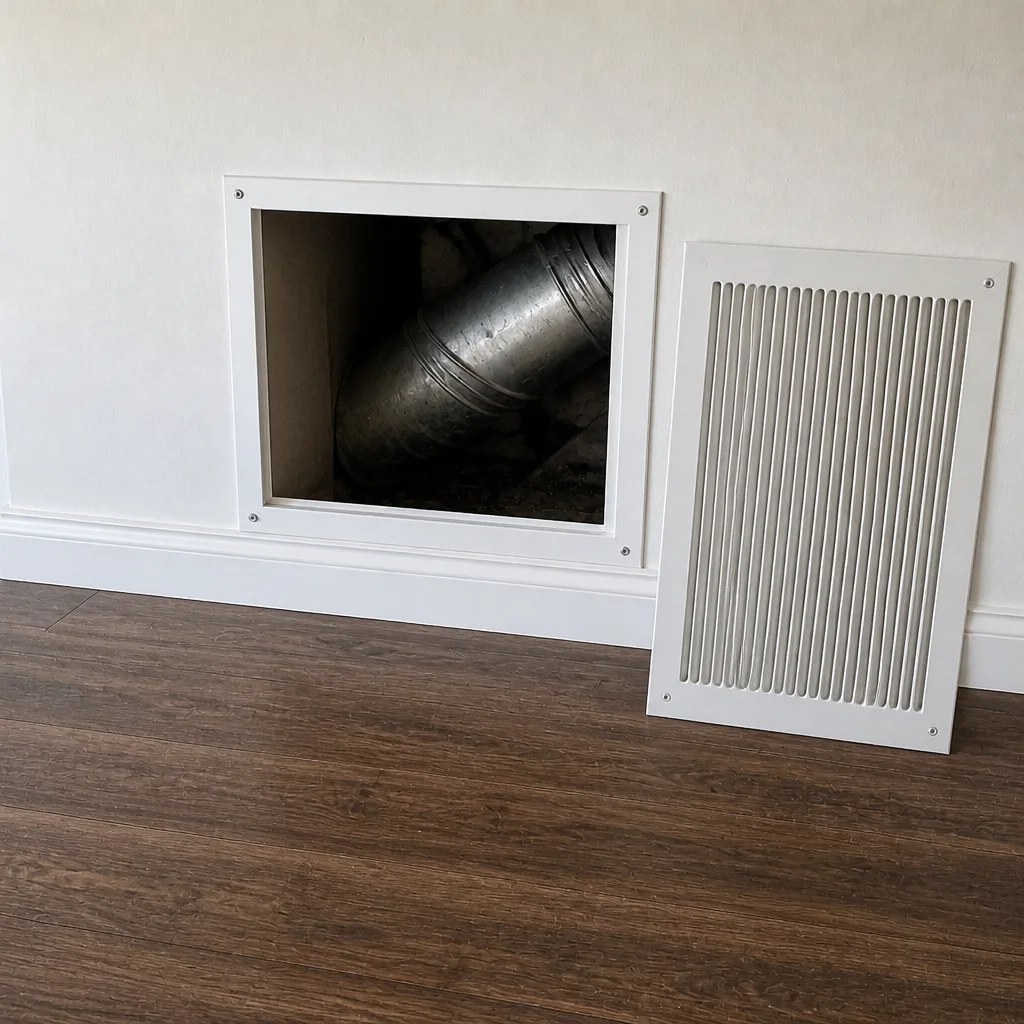 After
When to Call a Professional
Call a professional when any of the warning signs in this guide has persisted for more than a season, or when you’ve found evidence of moisture, pests, or visible damage in the duct system. The threshold is simple: if you’ve repeated the same fix – a new filter, another round of dusting, another month of ignoring the smell – and the condition is unchanged, the system needs to be looked at by someone with the right tools. You should also call if you’ve recently bought a home in Buena Park and have no records of the duct system ever being inspected or cleaned. Previous owners rarely leave you a duct report, and the inside of those ducts is the one part of the house you haven’t seen.
Duct Cleaning Buena Park offers free estimates in Buena Park. We’ll show you what’s inside your ducts on camera, tell you what condition they’re in, and quote the work from what we both see. Call (855) 684-4139 to schedule an assessment. We answer 24/7. Fast dispatch from 7am to 7pm, Sunday through Friday.
Frequently Asked Questions
The first signs are a musty odor when the HVAC runs, dust returning to surfaces within days of cleaning, weak airflow at one or more registers, and allergy symptoms that appear at home and improve when you leave. Any one of these justifies an inspection; two or more strongly suggest the duct system is the source. Call (855) 684-4139 for a free estimate and we’ll show you the inside of your ducts before recommending anything.
A musty smell that appears only when the AC runs means the odor source is inside the system, not in the room. Moisture condensing on the coil or inside the ducts combines with accumulated dust to create the smell, and the blower spreads it through every register. The fix starts with seeing what’s coating the inside of the system, which professional equipment makes possible. Call (855) 684-4139 to schedule an inspection.
Persistent weak airflow at one register while others blow strongly points to a leak, blockage, or disconnection in that specific duct run. Visible dust streaking around a register opening, a register that sits loose, or a room that never reaches temperature are other reliable indicators. A camera inspection of the run confirms which condition applies and whether cleaning or repair is needed.
Dirty ducts can contribute to respiratory irritation by distributing dust, dust mites, pest particles, and other debris throughout the home every time the system runs. Duct cleaning removes that particulate source, and pairing it with better filtration from Honeywell or Aprilaire systems can further reduce the load. Duct cleaning is not a medical treatment, so discuss persistent symptoms with your doctor while addressing the environmental factors you can control.
Duct cleaning costs in Buena Park vary by home size, system layout, and the condition of the ducts, and should be quoted per job after an inspection, not over the phone with a per-vent teaser price. Any estimate should include what the technician will actually do, what equipment will be used, and proof of the work afterward. Call (855) 684-4139 for a free estimate based on a real look at your system.
With the right contractor, you see the difference. Professional Rotobrush and Nikro equipment reaches the full length of each duct run, and a camera inspection before and after shows you exactly what was removed. We also document the work so you have proof. If a company cannot show you the inside of your ducts before and after, that’s an answer in itself. Dryer vent cleaning follows the same standard: before-and-after visibility, not just a receipt.
The Bottom Line
Duct system warning signs rarely look like duct problems. They look like a stuffy bedroom, a bill that crept up for no reason, or a cough that only happens at home. What connects them is the unseen network of ducts behind the walls, and the fact that most Buena Park homeowners have never looked inside it. A musty smell at startup, dust that returns within days, weak airflow, and symptoms that track with HVAC use are all signals worth taking seriously. The next step is an inspection with professional equipment, a clear explanation of what’s actually going on, and a quote based on what you can see. Call (855) 684-4139. We answer 24/7, fast dispatch from 7am to 7pm, Sunday through Friday, and the estimate is free.
Written by the team at Duct Cleaning Buena Park, serving Buena Park since 2014.