
Last updated November 4, 2026
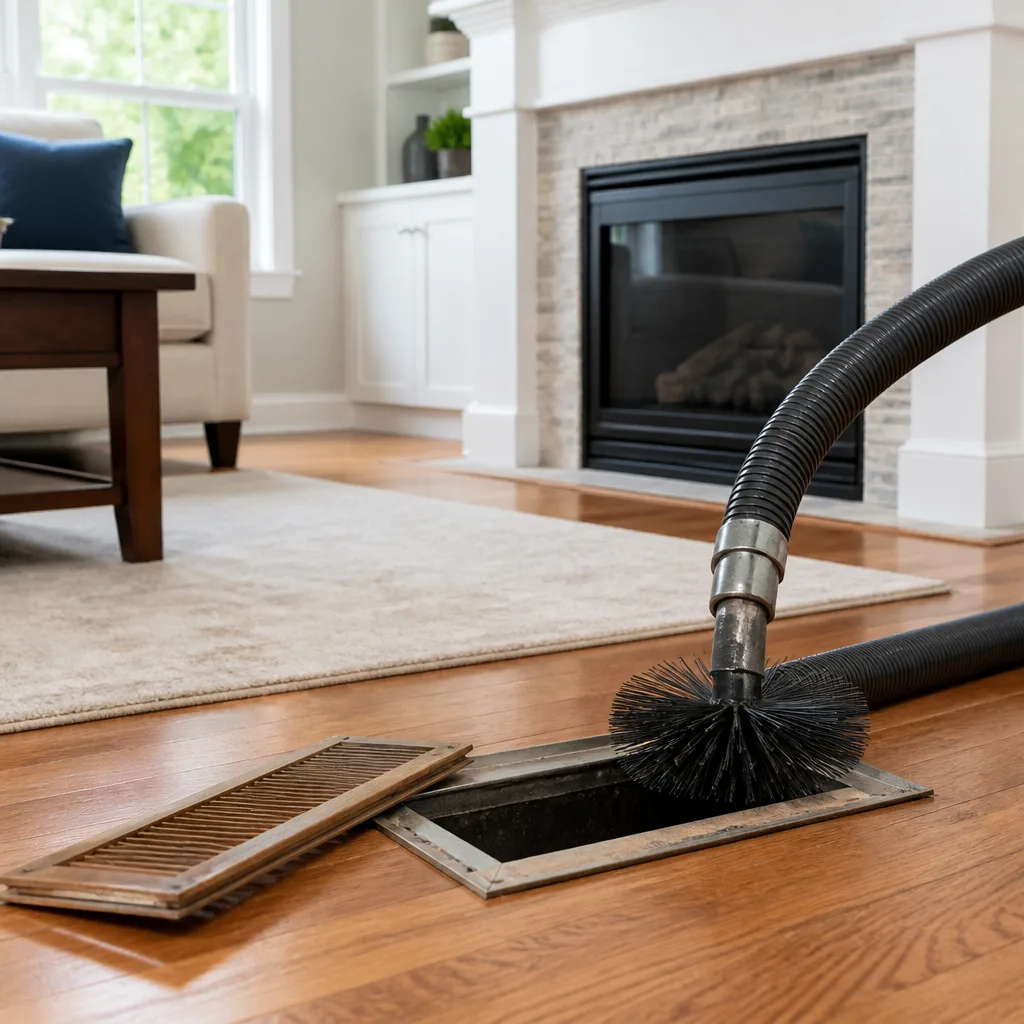 Whole-home duct cleaning
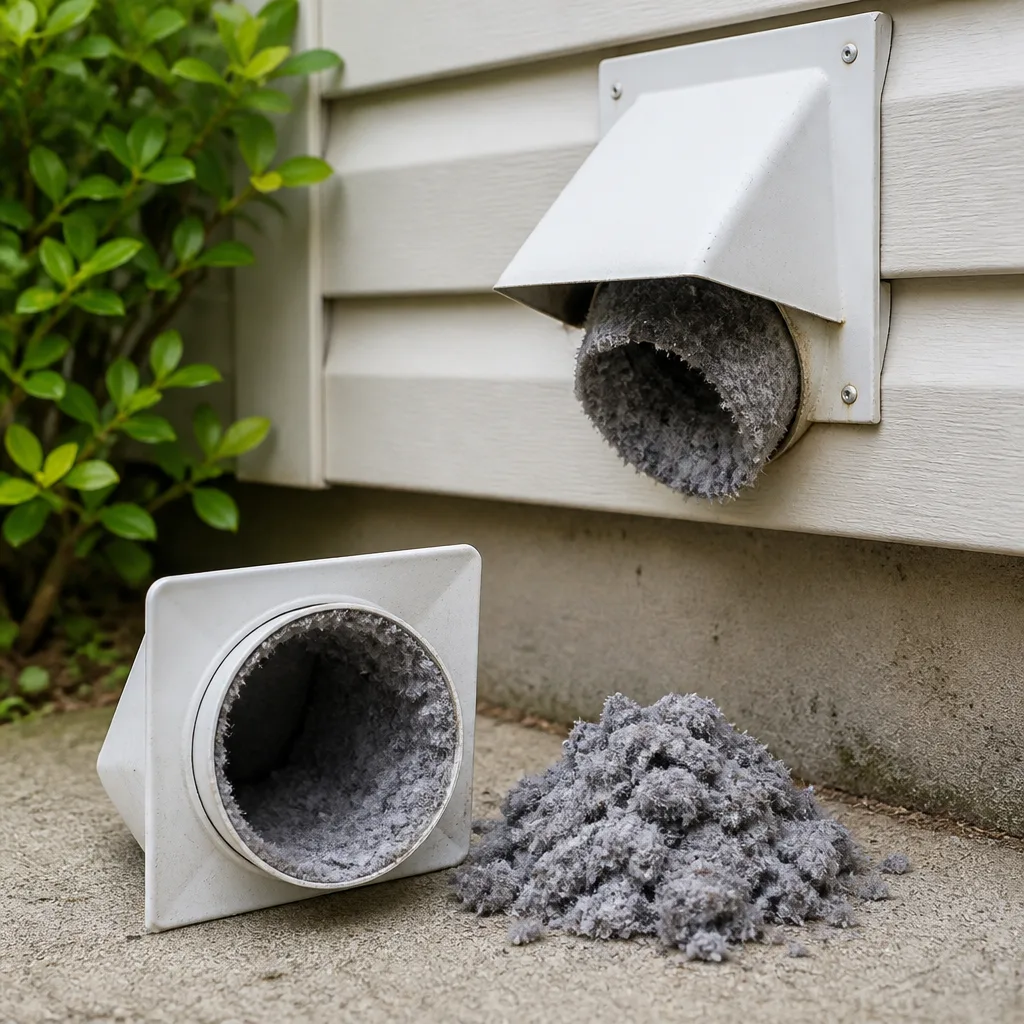 Dryer vent cleaning
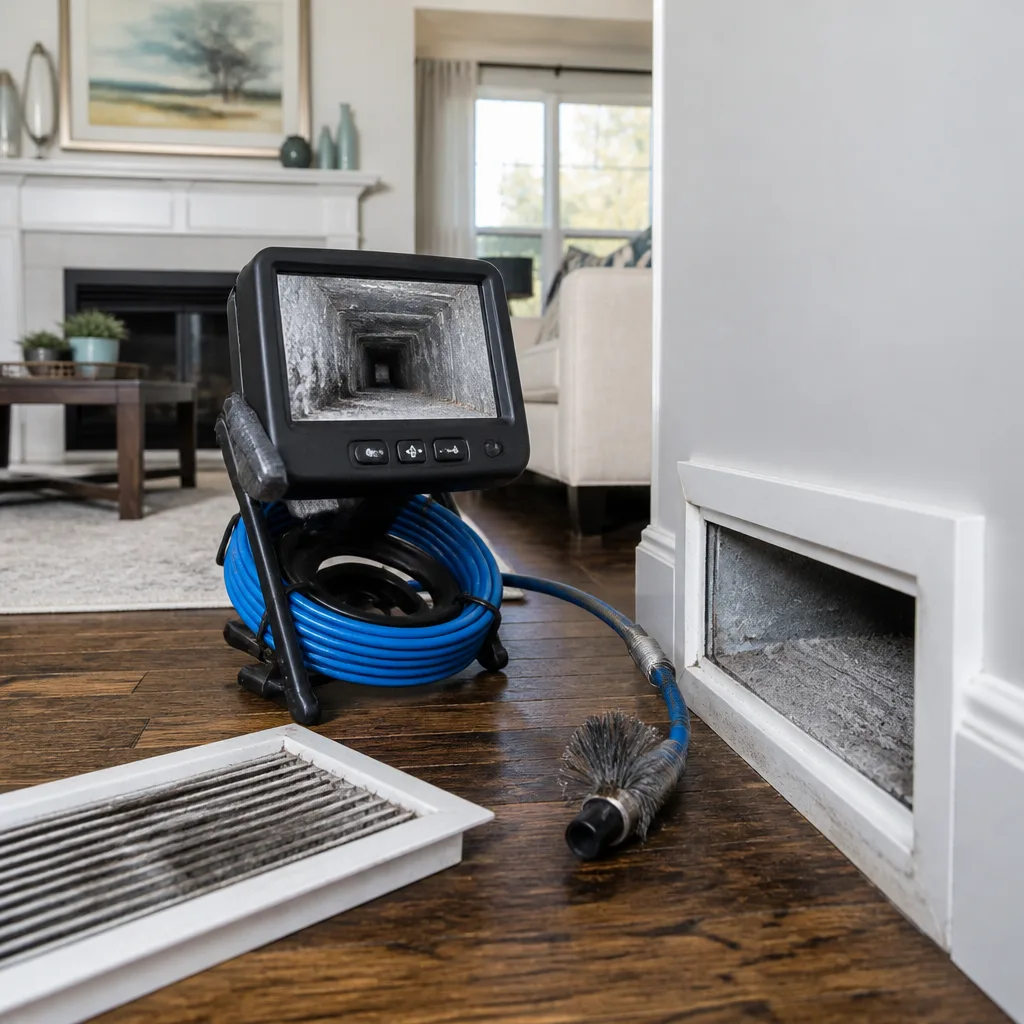 Camera inspection
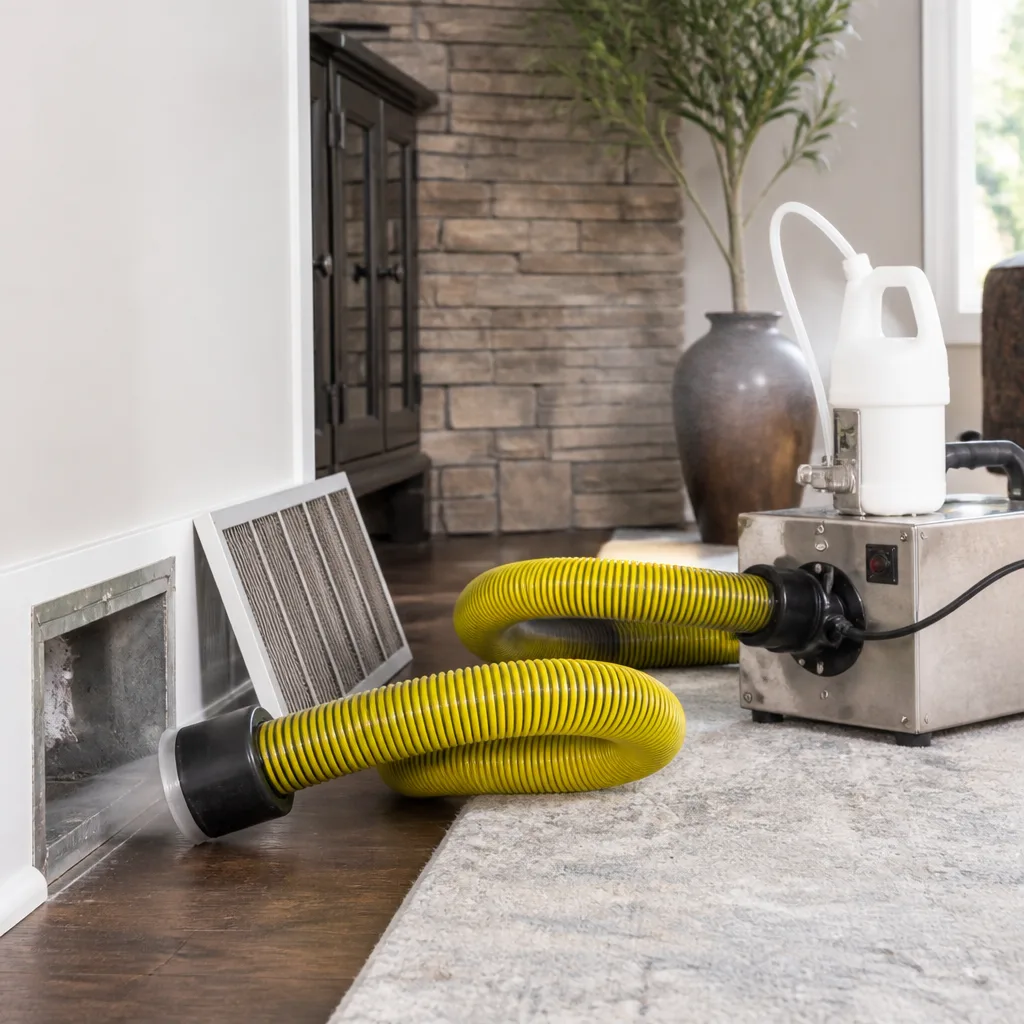 Sanitizing & deodorizing
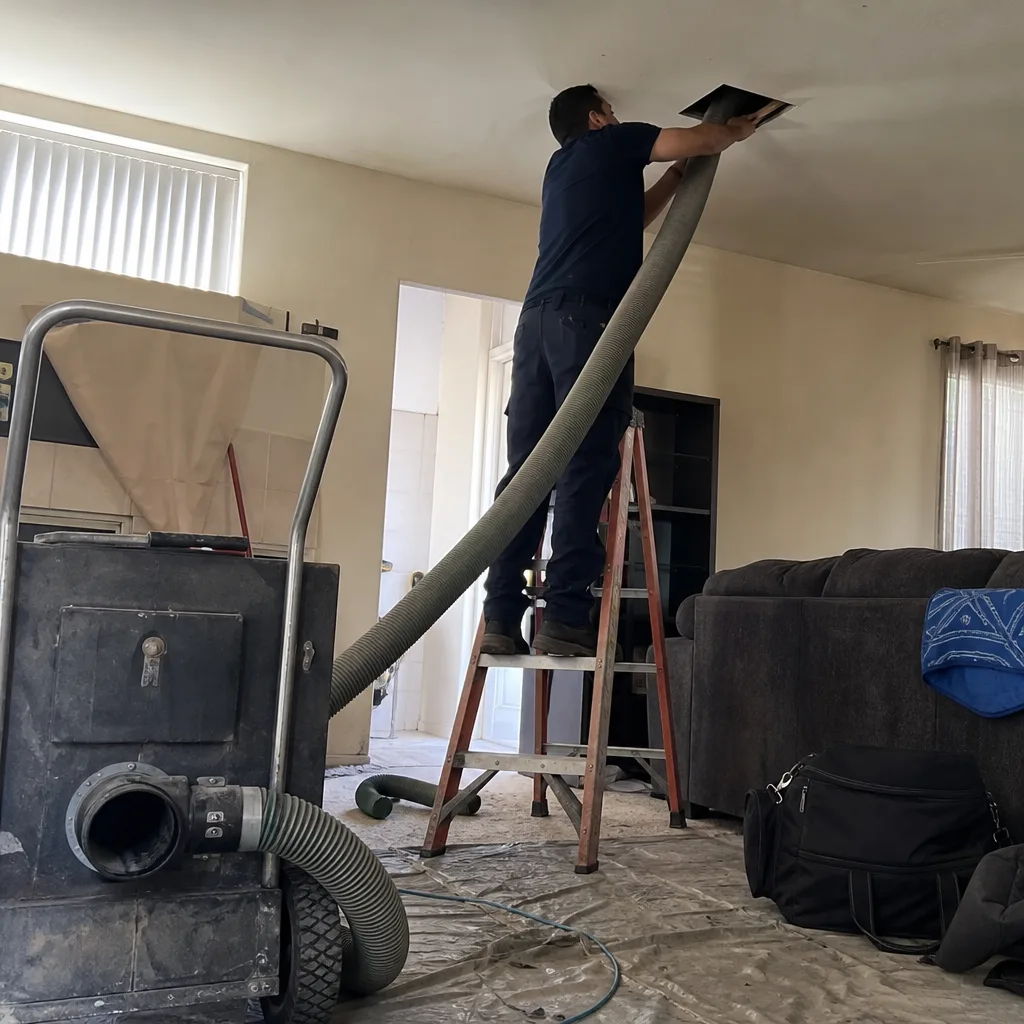
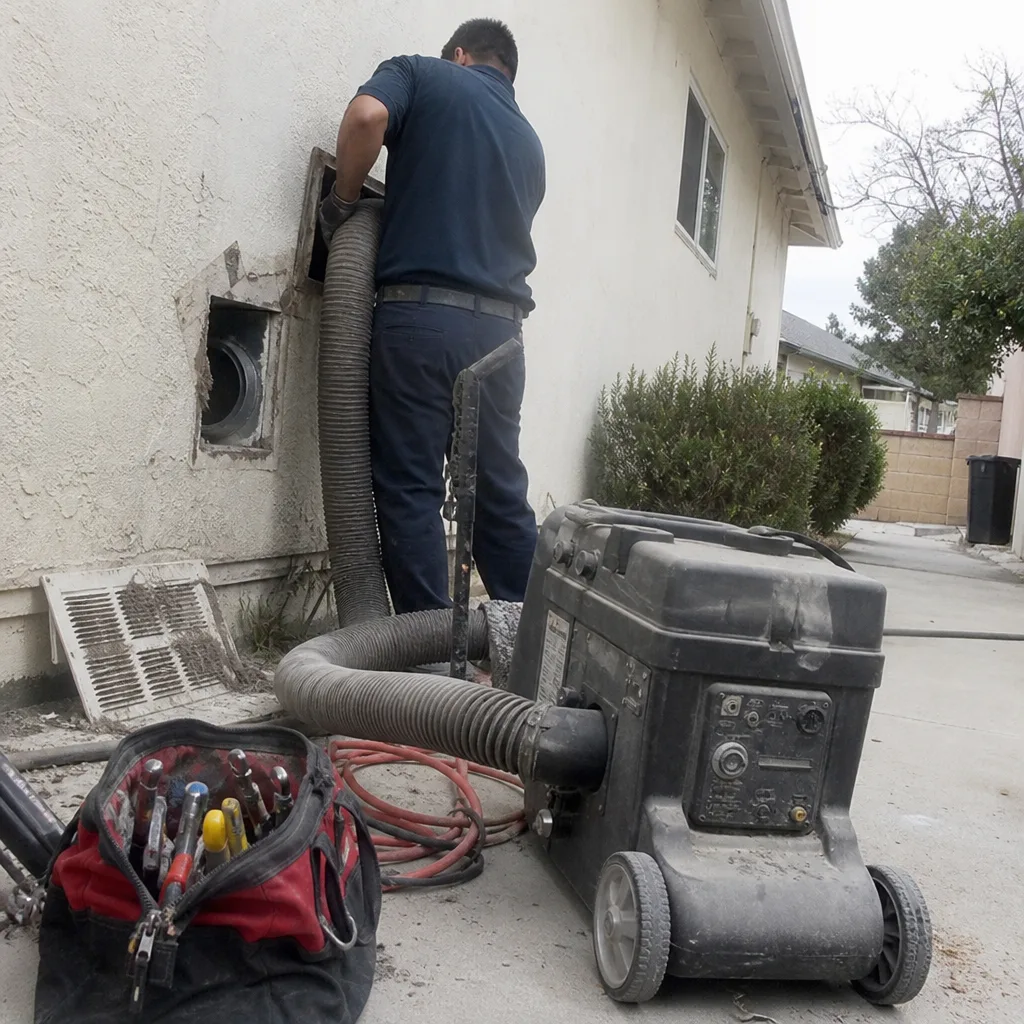
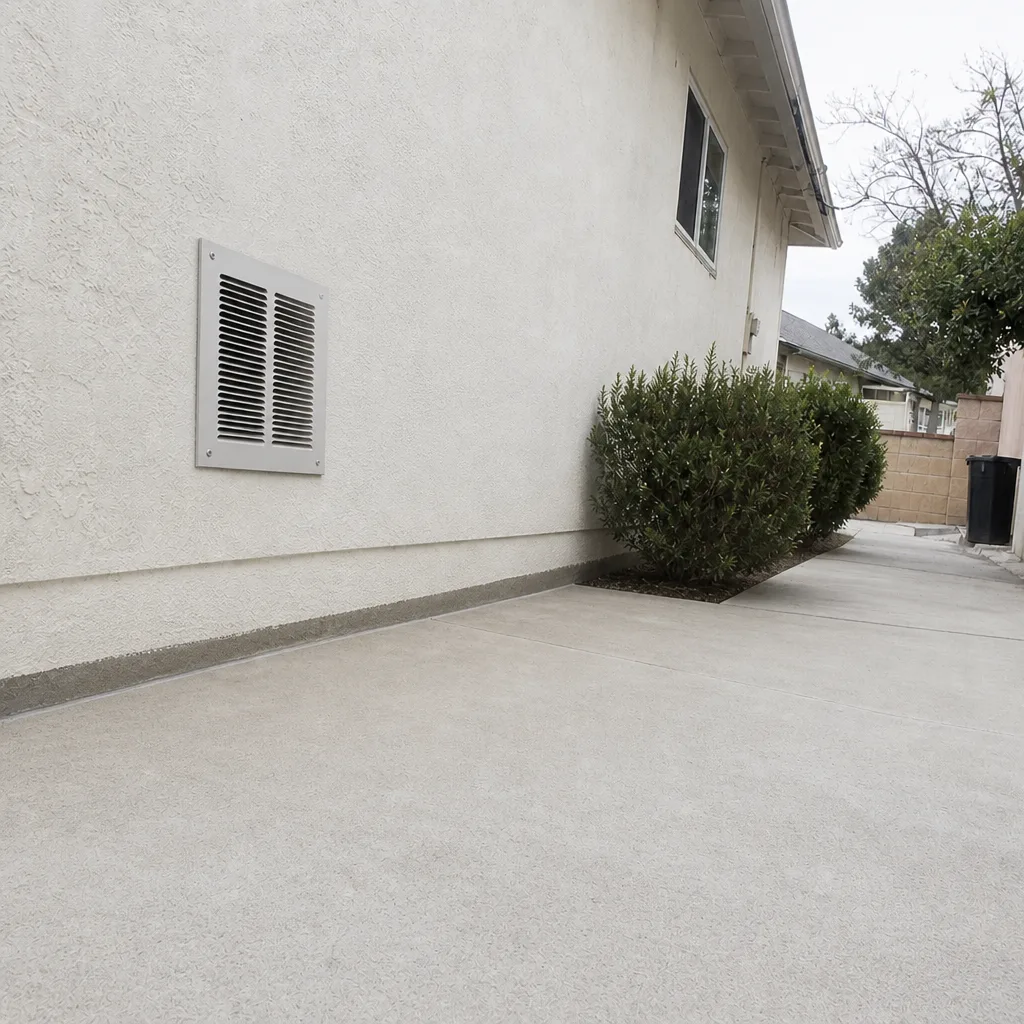
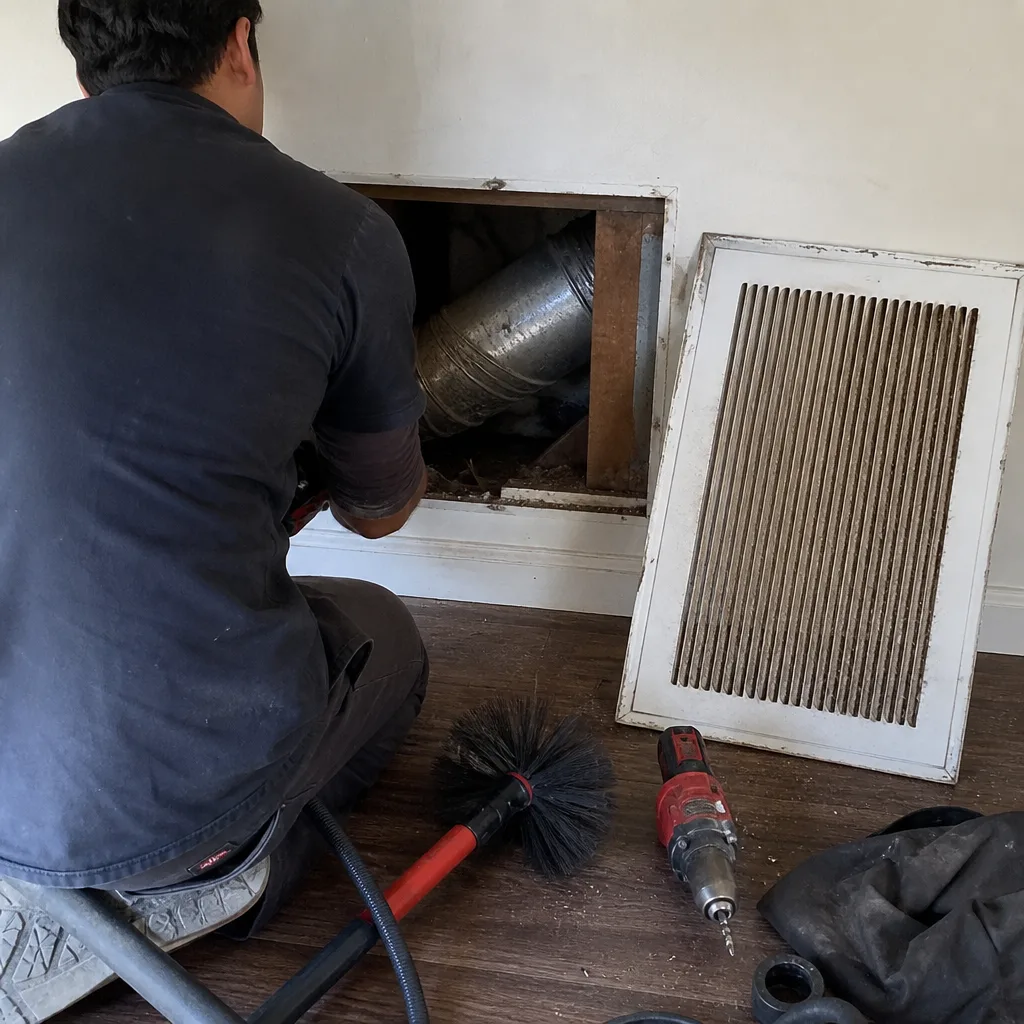
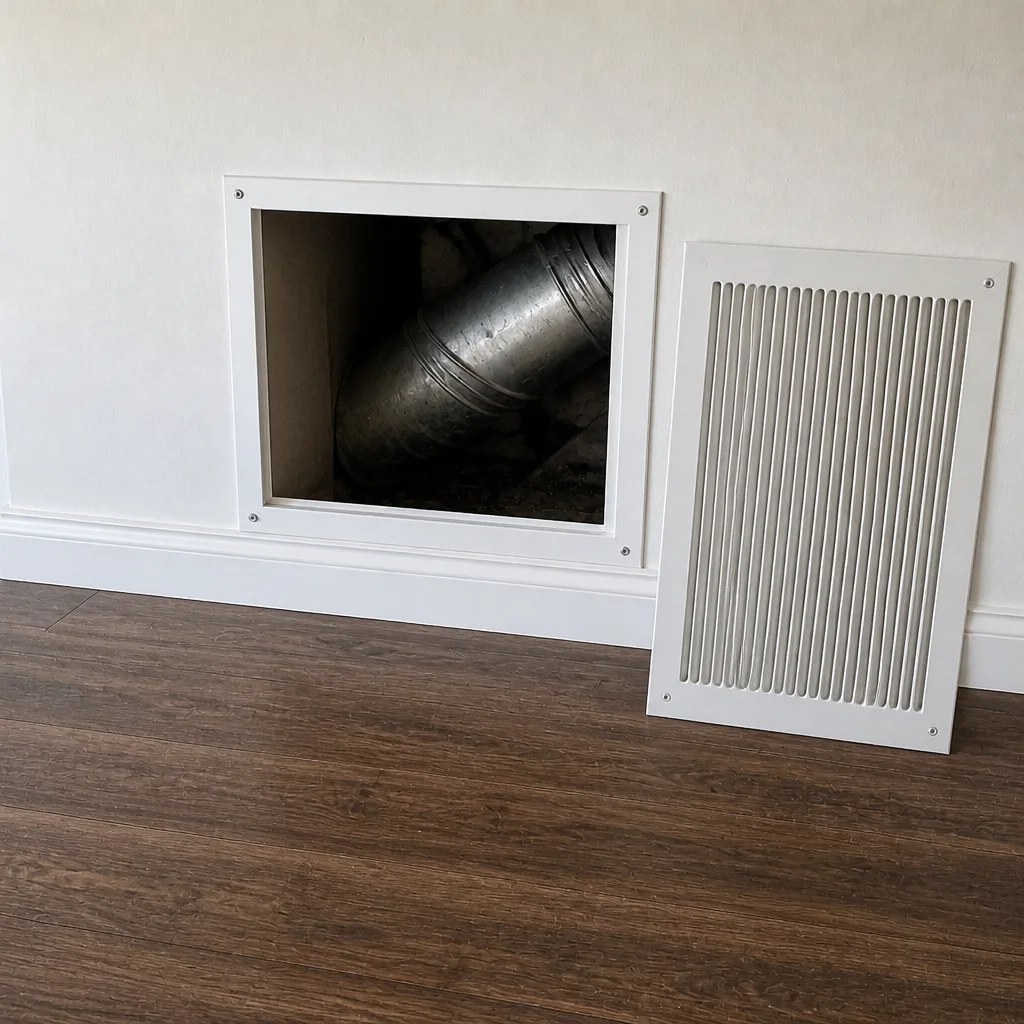
Whole-system duct and dryer vent check with before-and-after photos - you see exactly what came out of your vents
That "$99 whole-house special" is a bait ad - the real number appears once they are in your hallway, or the "clean" is a shop-vac at the register. We photograph the inside of your ducts before and after instead.
Seasonal Air Duct Cleaning Care for Buena Park: Year-Round Homeowner’s Guide
Most duct cleaning advice you’ll find online was written for places with real winters: snow, ice, furnaces running for six straight months. Buena Park doesn’t work that way. Our climate throws three distinct curveballs at a duct system every year: Santa Ana wind events that drive desert particulates into every gap, June gloom humidity that can soak duct liner and insulation, and wildfire smoke windows that embed particles far deeper than surface dust. This guide walks through what actually happens inside your ducts during each stretch of the Buena Park year, when cleaning genuinely helps, and when you’re better off leaving the system alone.
Styles & brands we work with
- Whole-home duct cleaning
- Dryer vent cleaning
- Camera inspection
- Sanitizing & deodorizing
Quick Answer
In Buena Park, seasonal air duct cleaning is not a four-times-a-year ritual. The practical schedule for most homes is a full cleaning every 2 to 3 years, timed around two high-risk windows: late fall after Santa Ana season kicks up particulate infiltration, and late spring before AC runtime spikes and pushes whatever accumulated through the system. Between cleanings, the highest-value seasonal tasks are filter changes, dryer vent checks, and a visual inspection of registers and returns. Homes near wildfire smoke corridors or with residents managing allergies may warrant annual attention.
Table of Contents
- Fall: Santa Ana Season Prep and Particulate Infiltration
- Winter: Post-Wildfire Smoke Assessment and Duct Liner Contamination
- Spring: Filter Transition and Evaporator Coil Inspection Before Cooling Season
- Summer: AC Runtime, Duct Sweat, and Mold Risk in Attic Spaces
- Year-Round: Dryer Vent Lint Accumulation by Season and Fire Risk
- What Cleaning Actually Removes (and What It Can’t)
- DIY Seasonal Checks Any Homeowner Can Do
- Common Mistakes to Avoid
- When to Call a Professional
- Frequently Asked Questions
- The Bottom Line
Fall: Santa Ana Season Prep and Particulate Infiltration
Here’s what catches Buena Park homeowners off guard: the biggest threat to your duct system is not the hottest day of summer. It’s a dry, warm wind blowing in from the desert. Santa Ana events, typically building from September through November, push fine particulates through every exterior wall penetration, attic vent, and unsealed duct joint. The air inside your home gets dustier, and that dust gets pulled through return registers and into the duct system every time the blower runs.
What makes Santa Ana season different from ordinary dust accumulation is particle size and abrasiveness. Desert particulate is finer than household dust, which means it travels deeper into duct runs and settles in areas that normal airflow never clears. It also embeds in fiberglass duct liner, where it stays until mechanically removed. A shop vac will not touch it. Contact-based agitation is the only thing that breaks particulate loose from porous liner surfaces.
Why Fall Is the Highest-Risk Season for Duct Leaks
High-velocity winds create pressure differentials across your home’s exterior surfaces. When a gust hits the windward side of the house, it pressurizes the attic and exterior wall cavities. That pressure pushes air through any gap it can find: unsealed duct connections, register boots that were never caulked, and returns that pull from garages or unconditioned spaces. Each gust forces a small volume of particulate-laden air into the duct system.
Over a typical Santa Ana stretch, that adds up. In our experience working with Buena Park homes, fall inspections frequently reveal fine brown-gray dust coating the inside of return plenums, even in homes that had a cleaning twelve months earlier. The wind does the work that poor filtration normally would.
Fall Preparation Checklist
- Inspect return grilles and register faces. Pull two or three off in different parts of the house. If you see fine dust caked on the back side of the grille or on the first few inches of duct beyond the opening, the system is pulling airborne particulate at a meaningful rate.
- Check the filter. A filter that was changed in August and is already visibly gray by late September is telling you the home’s infiltration rate is high. Upgrade to a MERV 11 or MERV 13 filter during Santa Ana season if you have a Honeywell or Aprilaire filter cabinet that supports it.
- Visually inspect accessible duct runs in the attic. Look for separated joints, sagging flex duct, or sections where the outer jacket has torn. Each of these is a particulate entry point and an air loss point.
- Consider a pre-season cleaning if it has been two years or more. Starting Santa Ana season with clean ducts means the particulate that does infiltrate has nothing to accumulate on top of. It also gives you a cleaner baseline for evaluating how much gets in over the season.
If you want a more detailed walkthrough of what a full system cleaning involves, our air duct cleaning page covers the process step by step.
Winter: Post-Wildfire Smoke Assessment and Duct Liner Contamination
Wildfire smoke is not a distant mountain problem in Buena Park. Prevailing winds carry smoke from regional fires across the LA Basin and into Orange County, sometimes for days at a stretch. When that happens, your HVAC system does exactly what it is designed to do: it pulls outdoor air through the return side and conditions it. The filter catches some of what comes in. The rest moves through the blower, across the evaporator coil, and into supply ducts.
Here is the part most homeowners never learn: smoke particles behave differently from ordinary dust. They are finer, they carry oils and resins from burned vegetation, and they bond to porous surfaces when they land. Fiberglass duct liner, which lines many older duct systems in Buena Park homes, is particularly vulnerable. The particles embed in the fiber matrix and do not release with airflow alone. Even after the air clears outside, the inside of your ducts can retain a faint smoky odor and a reservoir of particulates that re-enters the airstream every time the blower cycles.
Evaluating Smoke Damage in Ducts: What Cleaning Can and Cannot Do
A professional cleaning with contact-based agitation, like the Rotobrush and Nikro systems we run, can remove embedded particulate from duct liner surfaces and from the interior walls of metal ducts. What it cannot do is reverse chemical changes to the liner itself. If the liner has absorbed enough smoke oils to permanently odor-load the fiberglass, cleaning will reduce but not eliminate the issue. In severe cases, liner replacement or duct section replacement is the honest answer.
The assessment process after a significant smoke event looks like this:
- Visual inspection: A camera scan of supply and return ducts looks for gray-black residue, particularly near returns and in the first few feet of supply runs.
- Liner surface evaluation: If liner is present, we check whether the surface has a greasy feel or visible dark staining. Dry powdery residue cleans effectively. Oily residue is a harder problem.
- Odor test at the registers: Run the blower without conditioning and smell the air at a supply register. A persistent smoky or stale odor when outdoor air is clear suggests duct-side contamination, not just a dirty filter.
- Metal duct interior check: In homes with sheet metal ducts, smoke residue usually presents as a uniform gray film. This cleans well with mechanical agitation and HEPA-filtered air washing.
If smoke entered the system while the AC was running, you may also have residue baked onto the evaporator coil. That is a separate cleaning process and one worth doing at the same time as the ducts. A coil carrying a layer of smoke film transfers heat poorly and pushes the system’s runtime up, which in turn pulls more air through contaminated ducts. It compounds.
Spring: Filter Transition and Evaporator Coil Inspection Before Cooling Season
By March and April in Buena Park, the heating demand is dropping and the first warm stretches arrive. Most homes in the area run heat pumps or gas furnaces with central AC, and the transition from heating to cooling is the best moment to inspect two components that take a beating over the winter: the filter and the evaporator coil.
Why the coil matters so much in Buena Park specifically: our winter air is not freezing, but it is damp. June gloom is the famous marine layer season, but the marine layer also appears in intermittent stretches through winter. When moist air passes over a coil that is running in heat mode, the coil stays warm and dry. But the moment you switch to cooling, that same coil drops below dew point and any accumulated dust on its surface turns to mud. A coil that looks merely dusty in April becomes a restricted, airflow-killing mess by July.
What a Buena Park Winter Leaves on the Coil
- Dust and dander accumulation from winter operation with windows closed. The coil gets hit with everything the filter missed.
- Fine particulate from Santa Ana events that occurred months earlier. This material often has a slightly gritty texture and compacts tightly on coil fins.
- Possible smoke film if the home experienced a smoke event. Smoke residue on a cooling coil reduces heat transfer efficiency substantially.
- Microbial growth in drain pan areas where condensation sits. Buena Park’s mild winter means condensate doesn’t freeze, but it also means the drain pan stays damp during periods of intermittent cooling.
Spring Inspection Steps
- Replace the filter before the first extended cooling run. If you upgraded to a higher MERV rating for Santa Ana season, assess whether to stay at that level or drop back. A MERV 13 filter that is too restrictive for your system can cause airflow problems that show up as coil freezing.
- Open the blower compartment or coil access (if you’re comfortable doing so). Look for dust accumulation on the upstream face of the coil, dark streaks, or any signs of standing water in the drain pan.
- Check the condensate drain line. Pour a small amount of clean water into the drain pan and confirm it flows freely. A slow drain is a mold invitation once cooling season starts.
- Run the system in cooling mode for 10 minutes. Feel the air at several supply registers. Noticeable temperature difference between rooms, weak airflow, or a musty smell all point to coil or duct issues that need attention before summer.
If the coil looks coated or you’re seeing weak airflow, the problem is rarely just the coil. Air that moves slowly through ducts deposits more dust, which means coil contamination and duct contamination usually go together. A cleaning that addresses both at once makes more sense than treating them as separate problems. Our Duct Cleaning Buena Park team runs the full system when we clean, not just the easily accessible sections.
Summer: AC Runtime, Duct Sweat, and Mold Risk in Attic Spaces
Buena Park summers are hot, and the AC runs hard. What most homeowners do not realize is that the ductwork itself is often sitting in the hottest part of the house: the attic. In July and August, attic temperatures regularly exceed 120 degrees, sometimes significantly higher. A conditioned air supply duct running through that space has a large temperature differential between the air inside the duct (55 to 60 degrees) and the air outside the duct jacket (120+ degrees).
When that differential meets an insulation deficiency, you get condensation. Moisture forms on the outside of the duct jacket, drips onto attic insulation, and creates a damp microclimate around the duct run. Over weeks of continuous cooling season, that dampness supports mold growth on the duct surface and on surrounding materials. From there, it moves into the duct itself through small openings or becomes an odor and air quality problem that circulates through the house.
What Duct Sweat Looks Like in Buena Park Homes
- Dark staining on the outer duct jacket, especially on the underside of flex duct runs that rest on attic insulation.
- Wet or crusty insulation around duct supports and where ducts pass through framing.
- A musty odor that appears only when the AC runs, then fades when the system cycles off.
- Visible mold on exposed duct surfaces in accessible attic areas. By the time it’s visible, the problem has likely been developing for months.
- Condensation on register faces in humid stretches, indicating supply air is colder than the surrounding room air and the duct insulation may be insufficient.
Prevention Is a Duct System Issue, Not Just an Insulation Issue
Adding attic insulation helps, but it does not fix a duct system that is leaking conditioned air, an oversized AC unit that short-cycles without adequate dehumidification, or duct liner that has absorbed moisture and is already compromised. In our experience, homes that develop recurring summer condensation problems usually have more than one contributing factor. The fix often involves re-sealing duct joints, repairing or replacing damaged flex runs, and addressing airflow balance. That’s the repair side of what we do, and it is the reason we tell Buena Park homeowners to treat duct cleaning and Buena Park duct repair as parts of the same conversation rather than separate services.
Year-Round: Dryer Vent Lint Accumulation by Season and Fire Risk
Dryer vent lint is the most predictable duct problem in any home, and in Buena Park it follows seasonal patterns that have real consequences. Lint accumulation is driven by two variables: volume of laundry processed and the efficiency of drying cycles. Both shift through the year.
During fall and winter, families in Buena Park run more laundry: school is in session, sports seasons are active, and heavier clothing means larger, more absorbent loads. Heavier items produce more lint per load, and the cooler, damper outdoor air means the dryer runs longer to reach the same dryness. That combination accelerates lint deposition in the vent run. By January, a vent that was cleaned the previous spring can already be carrying a significant restriction.
In summer, total laundry volume often stays high, but lighter clothing and warmer outdoor air shorten drying cycles. The catch is that airflow restrictions from lint buildup become more dangerous in summer, not less. A restricted dryer vent traps heat in the dryer cabinet and the vent run. When the ambient temperature is already high, the safety margin shrinks. The lint itself is the fuel, and the restricted airflow is the condition that brings it to ignition temperature.
Seasonal Dryer Vent Checkpoints
- Spring: Clean or inspect at minimum. The post-winter accumulation peak has passed, and you’re heading into the season with the most drying capacity headroom.
- Fall: Inspect again, especially if your household runs heavy winter laundry. Clothes taking longer than one cycle to dry is the most common sign of restricted airflow.
- Any time drying time increases noticeably: That is not a normal seasonal fluctuation. It’s a restriction signal, and it compounds quickly.
- After any home renovation that produced gypsum dust or sawdust: Fine construction dust clings to lint and creates a denser, more combustible blockage.
Lint buildup is why dryer vent cleaning is a service we treat with the same seriousness as duct cleaning. The fire risk is not hypothetical, and the fix is straightforward when caught before the vent run becomes fully obstructed.
What Cleaning Actually Removes (and What It Can’t)
Homeowners in Buena Park ask us a version of the same question throughout the year: what exactly is the cleaning supposed to remove, and how do I know it worked? This is a fair question, because the industry has earned the skepticism. Too many companies quote a low price, run a shop-vac hose into one register, and call it a full system cleaning.
A proper cleaning, done with contact-based equipment, removes several distinct types of contamination from the full duct system:
- Loose debris including dust, pet hair, carpet fibers, and household particulate that has settled in duct runs.
- Embedded particulate in fiberglass duct liner. This is what separates real cleaning from a visual dusting. Rotobrush and Nikro systems use mechanical agitation heads that contact the duct walls directly and dislodge particles that airflow alone can never move.
- Construction residue from renovations, including drywall dust and wood particles.
- Organic growth that has formed on duct surfaces in moisture-prone areas. A physical cleaning removes the surface growth; it does not eliminate the moisture source that allowed it to form. That’s a repair or insulation correction issue.
- Odor sources embedded in accumulated debris, although odor removal is a function of removing the debris that carries the odor, not a separate chemical treatment.
What a duct cleaning cannot do is equally worth stating clearly. It cannot fix duct leaks, correct insulation deficiencies, replace damaged flex duct, or alter the filtration capacity of your HVAC system. If a company tells you cleaning alone solves a mold odor or a condensation problem without addressing the source, that’s a signal to get a second opinion. In our work across Buena Park, we use Guardsman finishing products for sealant and protective applications after cleaning when the duct surface warrants it, and we’re direct about when a section of duct needs replacement instead. The honest answer sometimes means repair, not more cleaning.
DIY Seasonal Checks Any Homeowner Can Do
You do not need a camera scope to catch developing duct problems. A few simple checks, done seasonally, will flag issues early enough to keep a small problem from becoming a full system contamination event.
The Register Test (5 minutes, any season)
- Remove a supply register in a high-traffic room and one in a rarely used room.
- Shine a flashlight into the duct opening. Look at the first 12 inches of visible duct surface.
- If you see dust accumulation on metal ducts or discoloration on liner, the system is carrying particulate and depositing it.
- Note whether the visible dust is fine and powdery (normal household particulate) or dark and oily (possible smoke or soot residue).
- Replace the register and repeat in another room. Consistency across rooms indicates system-wide accumulation; heavy buildup in one room suggests a return-side or branch-specific issue.
The Airflow Comparison (5 minutes, spring and fall)
Turn the system fan on (not conditioned air, just the blower). Walk room to room and hold your hand at each supply register. Serious airflow differences between rooms, or airflow that feels noticeably weaker than a year ago, point to a restriction somewhere: a closed damper, a crushed flex run, a loaded filter, or a coil that is fouled. This check takes five minutes and catches problems that would otherwise surface as a hot upstairs bedroom in July.
The Odor Check (1 minute, any time you notice a smell)
Run the blower and stand at a supply register. Sniff the air directly. Compare it to the room air with the system off. A musty smell that appears only with airflow indicates the source is inside the duct system or at the coil, not in the room. That’s a professional inspection trigger, not a DIY fix.
Common Mistakes to Avoid
- Treating all seasonal duct advice as universal. Guidance written for humid Gulf Coast summers or upper Midwest winters does not map to Buena Park. Our real risks are Santa Ana particulate, marine layer humidity, and smoke events. Build your maintenance calendar around those, not around a generic four-season model.
- Assuming a HEPA filter fixes infiltration. A better filter catches more particles that enter the return side, but it does nothing about duct leaks pulling attic air directly into supply runs downstream of the filter. If your ducts leak in the attic, the cleanest filter in the world won’t stop particulate from bypassing it entirely.
- Cleaning ducts without fixing the source of contamination. If your ducts are filthy because the system has an unsealed return in a garage or an attic leak, cleaning alone gives you a few clean months before the same contamination pattern reestablishes itself. Repair and cleaning need to happen together.
- Using a lower bid as the deciding factor. Duct cleaning has a wide price spread for a reason. The difference is equipment: a contact-based Rotobrush or Nikro system versus a portable shop-vac rig that provides visual cleaning only at the first few feet of each register. Cheaper is often cheaper because it does less.
- Waiting until you smell something. By the time a musty or smoky odor is reliably present, the contamination is well established. Seasonal visual checks and filter inspection catch problems before they reach the odor threshold.
- Ignoring the dryer vent because it feels like a separate system. It is a separate system, but it has the highest fire risk of any duct in your home and accumulates faster than the HVAC ducts in most households. A seasonal check takes minutes.
When to Call a Professional
Seasonal checks are useful, but some situations call for equipment and training that a homeowner should not improvise. Call a professional when you see visible mold on duct surfaces or surrounding insulation in the attic, when a smoke event leaves a persistent odor that doesn’t clear within a few days after skies clear, when airflow differences between rooms are significant, or when the dryer takes longer than one full cycle to dry a normal load. If you open a register and see heavy accumulation on liner surfaces rather than light dust, that’s a contact-based cleaning job, not a DIY wipe-down. Duct Cleaning Buena Park offers free estimates in Buena Park. Call (855) 684-4139. We answer 24/7. Fast dispatch from 7am to 7pm, Sunday through Friday.
Frequently Asked Questions
Most Buena Park homes need a full duct cleaning every 2 to 3 years. Homes within a few miles of major traffic corridors, those that run pets indoors, or households with residents managing allergies may benefit from annual cleaning. The timing matters more than strict frequency: late fall after Santa Ana season and late spring before peak cooling are the two highest-value windows for cleaning.
Yes, when the smoke odor is coming from particulates embedded in duct liner and debris within the duct system. A contact-based cleaning removes the particle reservoir that releases odor into the airstream. If smoke oils have chemically bonded to liner or duct materials, the odor may not fully resolve without liner replacement or duct section repair. An assessment before cleaning sets the right expectation.
Buena Park duct cleaning is priced per job by the written estimate, not by a per-vent rate. The final number depends on system size, the number of returns, the degree of contamination, and whether dryer vent cleaning or duct repair is included. The estimate is free, and the price is set before any work begins. Call (855) 684-4139 for an exact quote.
The spread usually comes down to equipment and scope. A company running professional-grade contact-based systems like Rotobrush or Nikro carries higher upfront equipment costs and spends more time per system because the agitation actually removes embedded particulate. A shop-vac rig that pokes into each register for a few minutes produces visible improvement at the registers while leaving the majority of the duct run untouched. If a quote is dramatically lower, ask what equipment they run and whether they clean the full duct system or just register openings.
A legitimate cleaning includes verification. Before we start, we show you what’s in the ducts with a camera inspection. After cleaning, the same inspection shows the difference. That’s the standard any company should be willing to meet. If a company refuses to show before-and-after footage, that’s a reason to walk away. The work should be visible and verifiable, not a matter of trust.
You can do meaningful DIY work: changing filters, vacuuming register faces, checking visible duct runs for damage, and keeping the area around returns clear. What you cannot do without professional equipment is reach the full length of duct runs, physically agitate embedded particulate out of liner surfaces, or assess contamination beyond the first few feet of each opening. The job is deeper than the visible part of the system, and that’s the piece that matters.
The Bottom Line
Buena Park’s climate creates a distinct seasonal pattern for duct contamination: fall Santa Ana winds push particulate into leak-prone systems, winter smoke events can embed particles in liner, spring moisture transitions load coils with a winter’s worth of film, and summer heat drives condensation risk in attic duct runs. A cleaning every 2 to 3 years, timed to fall and spring, addresses the highest-risk periods and keeps the system operating without accumulating a multi-year contamination load. Between cleanings, the highest-value work is simple: seasonal filter replacement, register checks, and dryer vent awareness. And when the system needs more than cleaning, use a company that can repair what it finds rather than one that pretends cleaning solves everything.
Written by the team at Duct Cleaning Buena Park, serving Buena Park since 2014.
See the difference
 Before
 After
 Before
 After
 Before
 After