
Last updated November 4, 2026
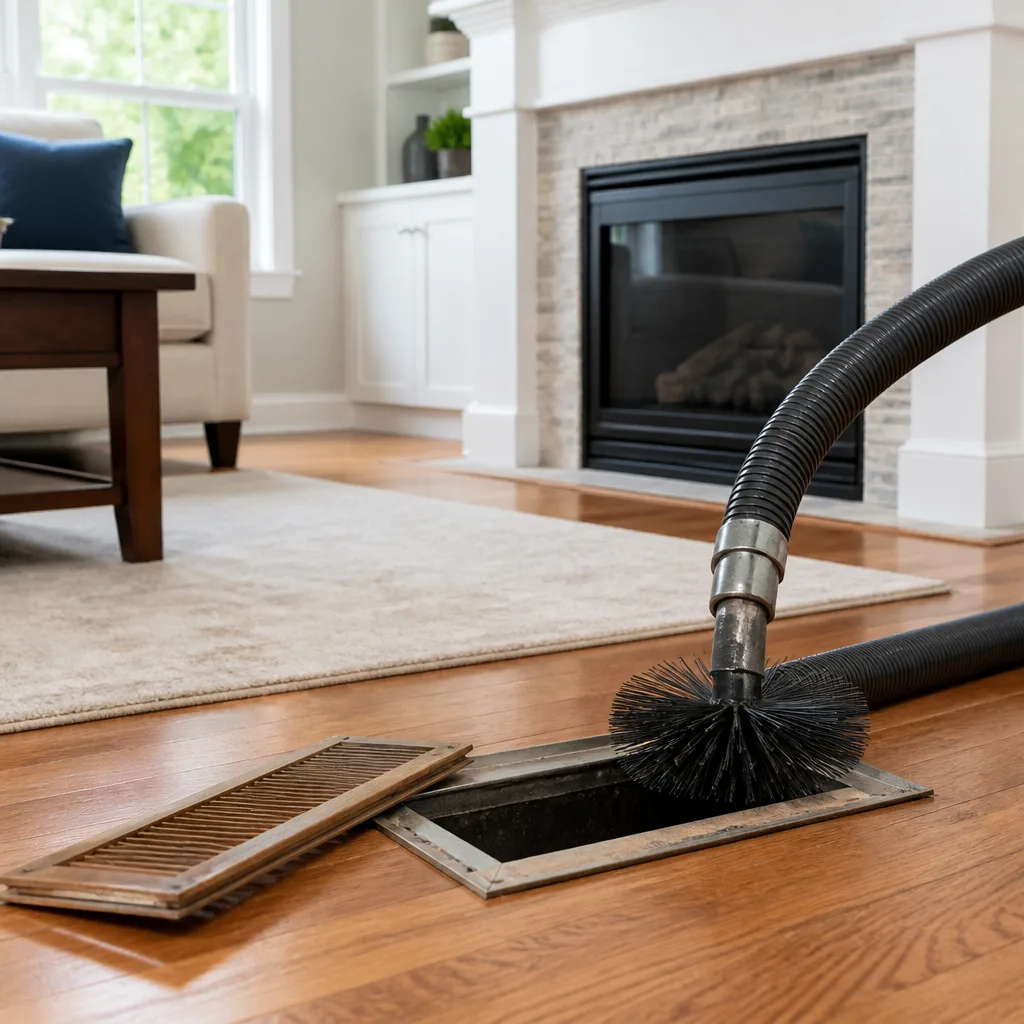 Whole-home duct cleaning
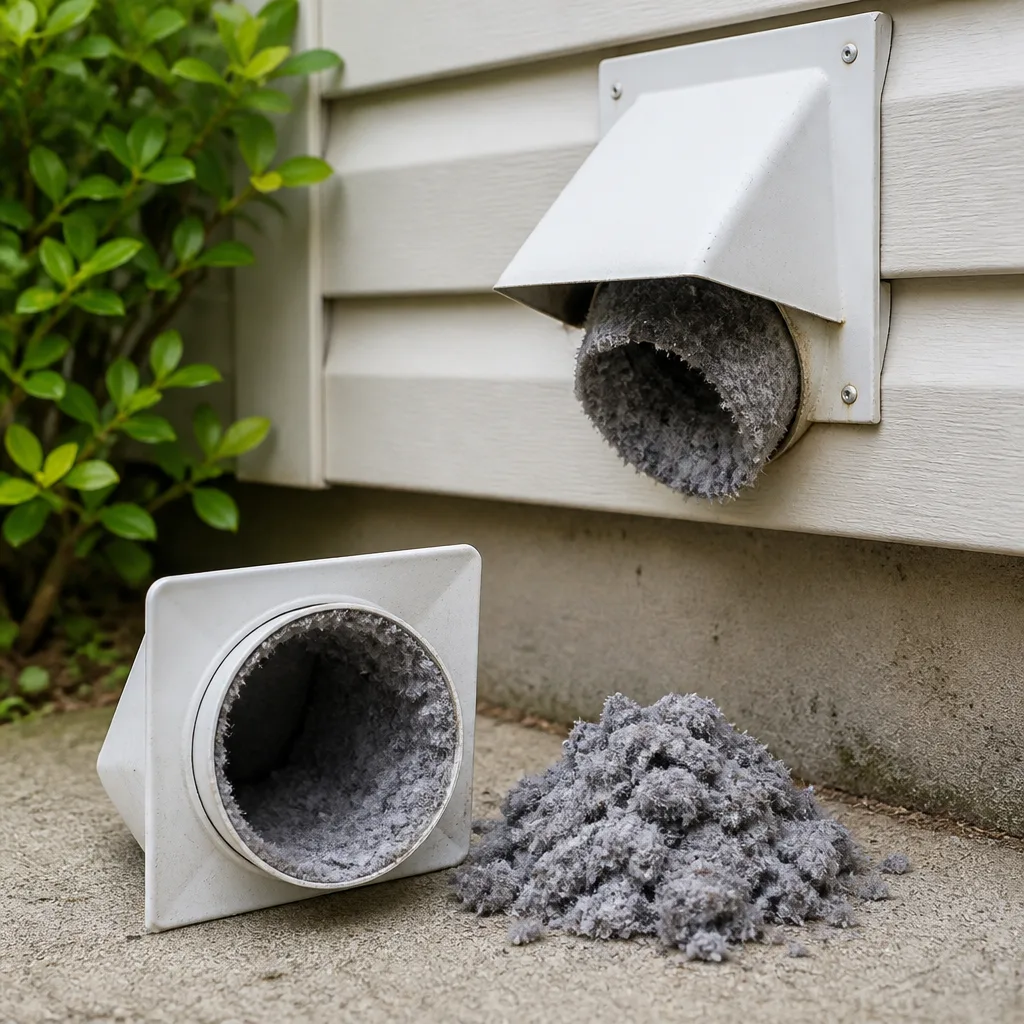 Dryer vent cleaning
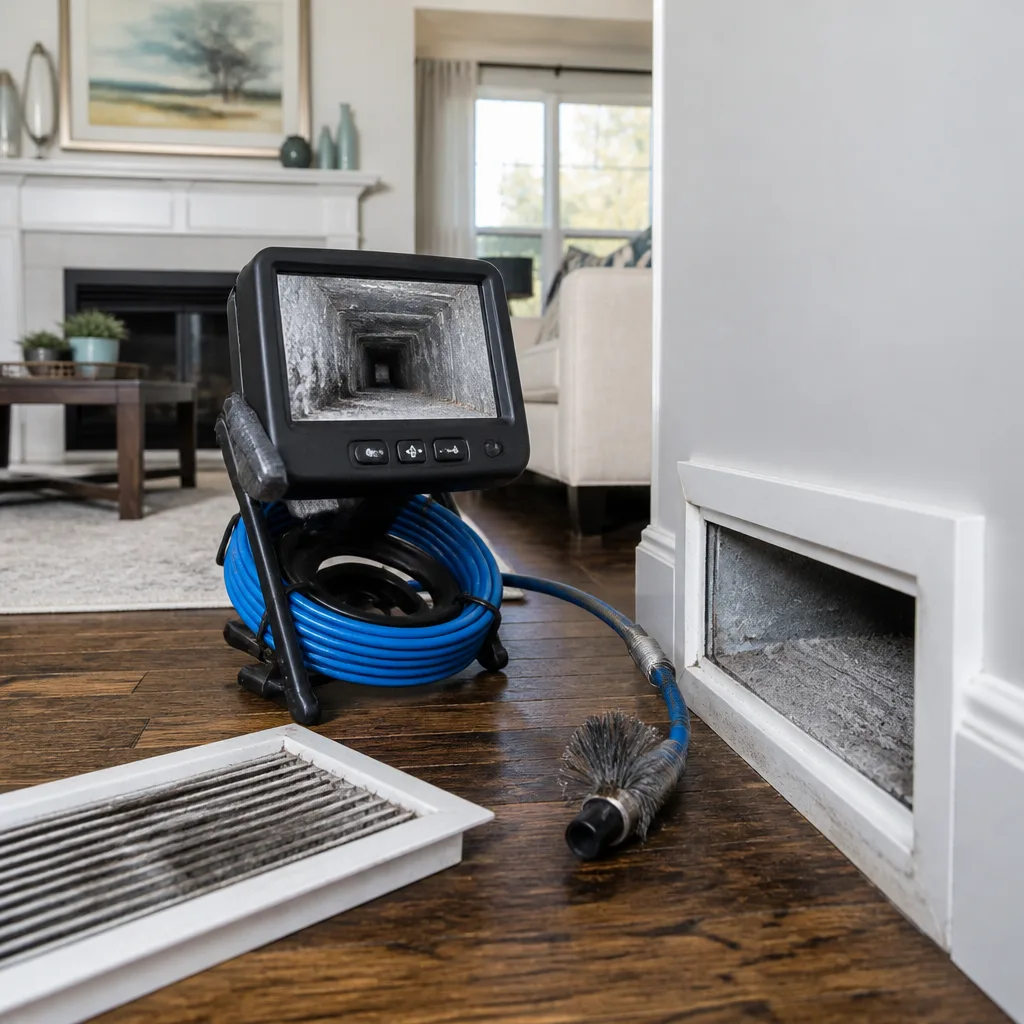 Camera inspection
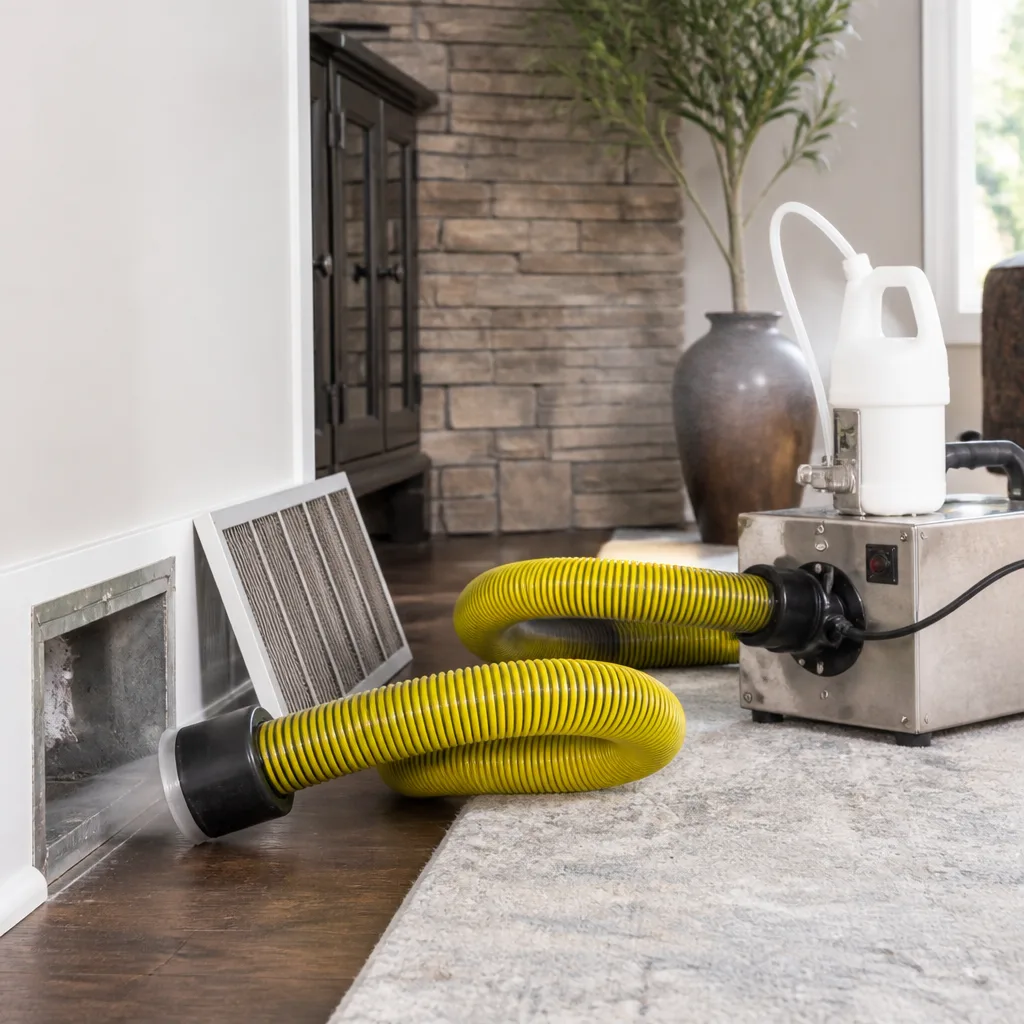 Sanitizing & deodorizing
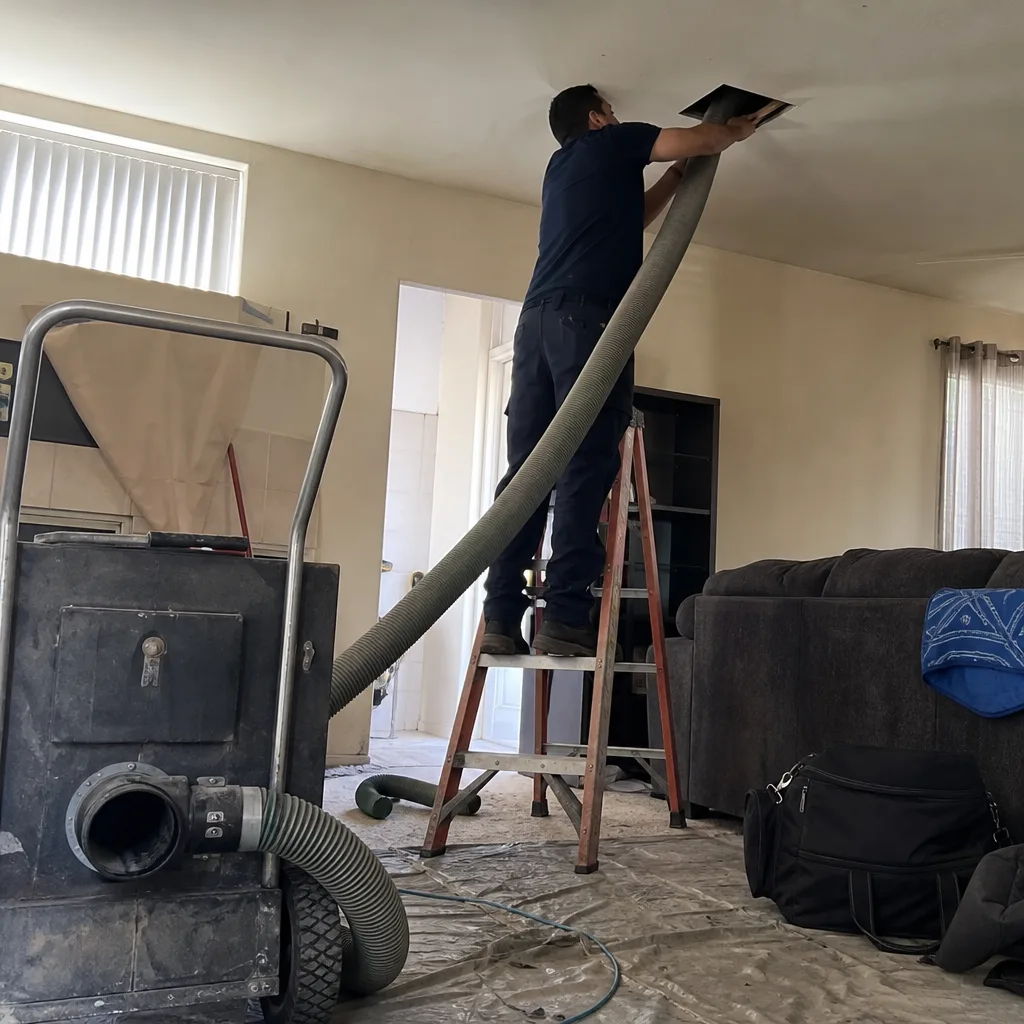
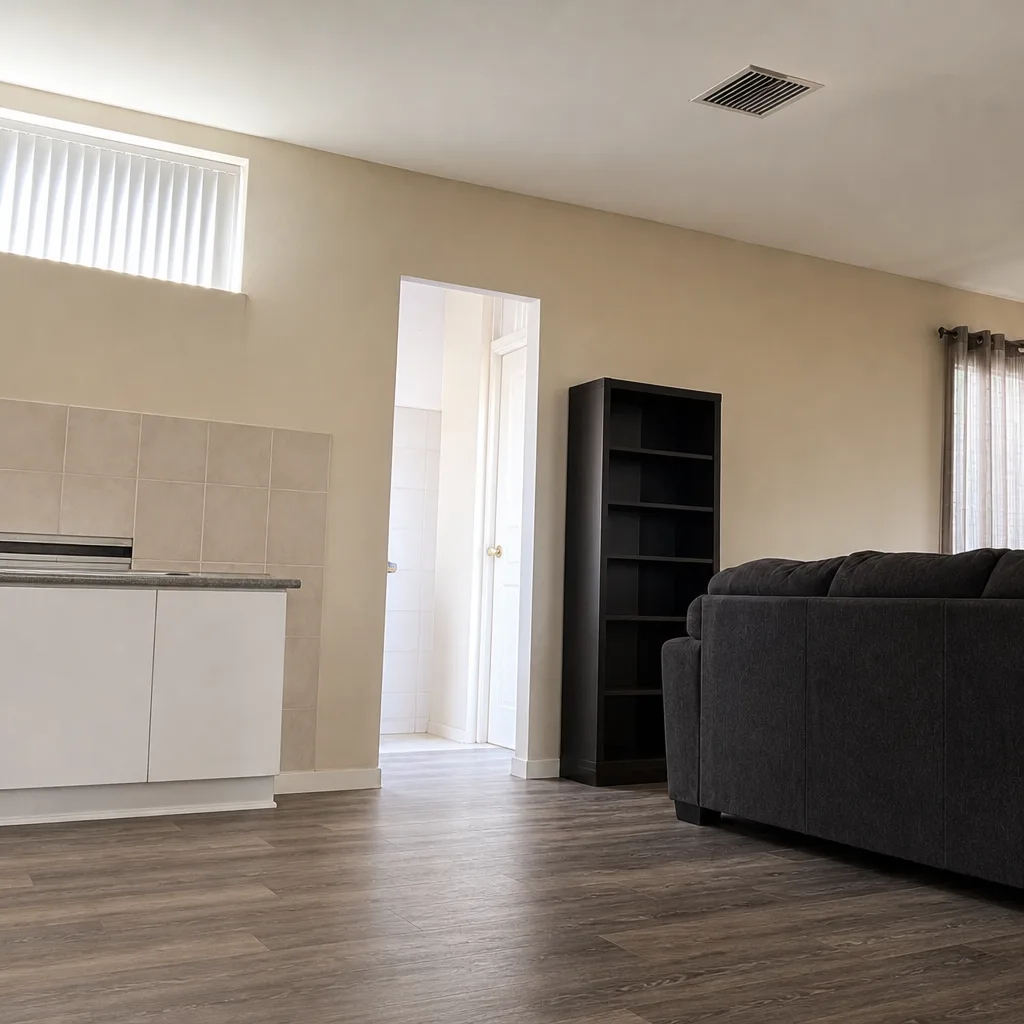
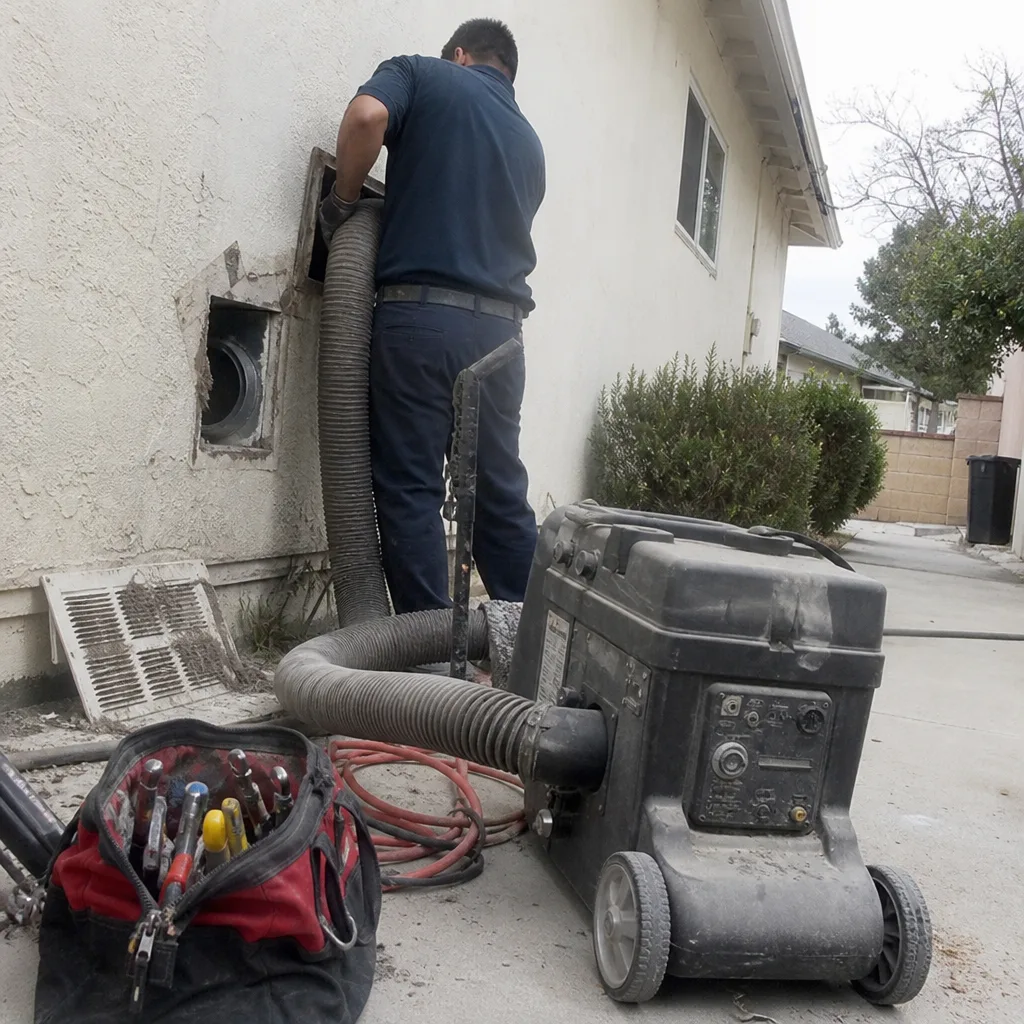
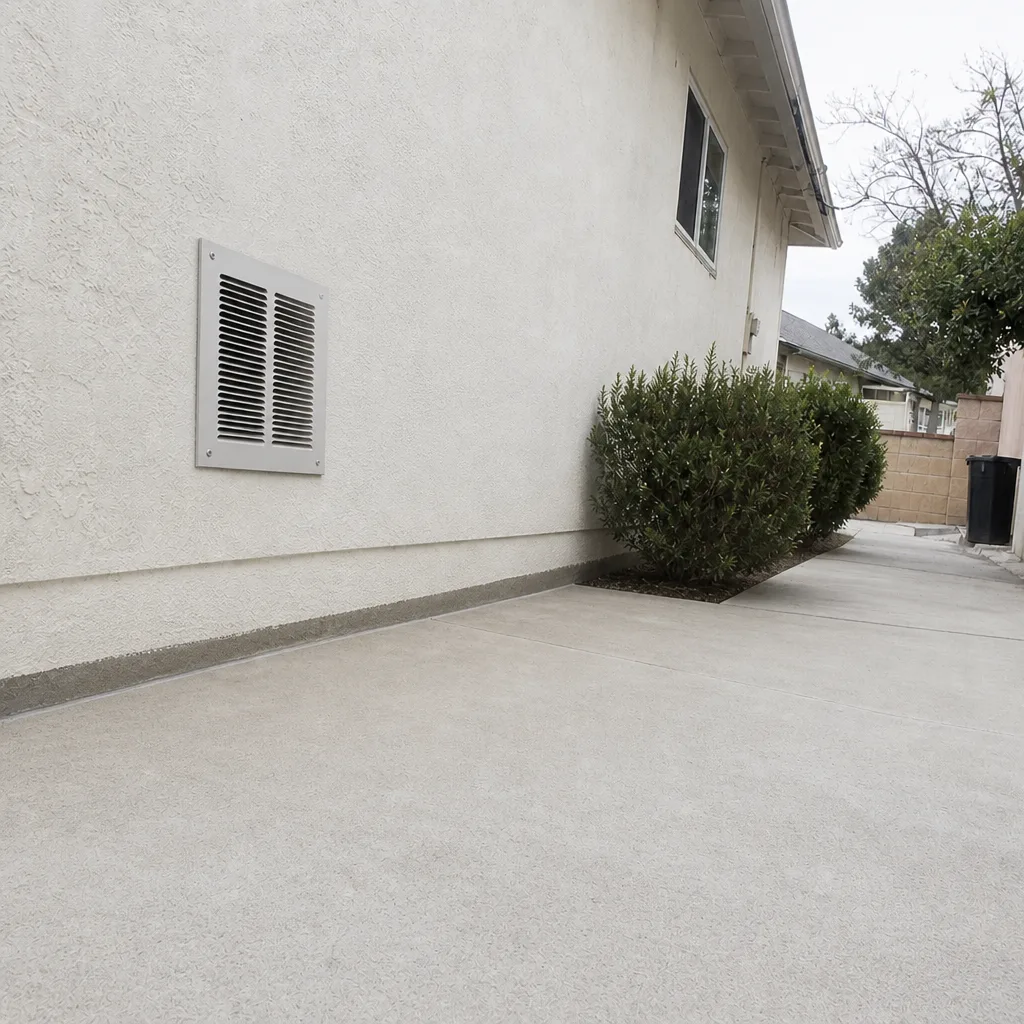
Whole-system duct and dryer vent check with before-and-after photos - you see exactly what came out of your vents
That "$99 whole-house special" is a bait ad - the real number appears once they are in your hallway, or the "clean" is a shop-vac at the register. We photograph the inside of your ducts before and after instead.
Air Duct Cleaning Permits, Codes & Inspections in Buena Park, CA: What You Need to Know
Here’s something most homeowners don’t realize until it’s too late: the air duct cleaning appointment you booked can turn into a code compliance situation before the technician finishes packing up the van. If a technician discovers a disconnected duct section and reattaches it, or seals a gap that’s been leaking conditioned air into your attic, that simple fix may constitute mechanical work under California’s building codes. And if it was done without a permit, your homeowner’s insurance policy can use that as grounds to deny a future claim. This guide walks through exactly where the legal line sits in Buena Park, what triggers a permit, and how to protect yourself before, during, and after any duct work in your home.
Styles & brands we work with
- Whole-home duct cleaning
- Dryer vent cleaning
- Camera inspection
- Sanitizing & deodorizing
Quick Answer
Air duct cleaning itself does not require a permit anywhere in California, including Buena Park. However, duct repair, modification, sealing, or replacement falls under the California Mechanical Code and typically requires a permit from Buena Park’s Building & Safety Department. The critical distinction: cleaning removes debris from existing, intact ductwork; anything that changes, connects, seals, or replaces duct components crosses into regulated mechanical work.
Table of Contents
- Does Air Duct Cleaning Require a Permit in Buena Park?
- What Duct Work Triggers a Permit Under California Mechanical Code
- Licensed C-20 HVAC Contractor vs. Duct Cleaning Specialist: Who Does What
- How Title 24 Energy Compliance Intersects With Duct Sealing
- Buena Park Building & Safety Department: What They Inspect
- Documentation to Request From Any Contractor Doing Duct Work
- Common Mistakes to Avoid
- When to Call a Professional
- Frequently Asked Questions
- The Bottom Line
Does Air Duct Cleaning Require a Permit in Buena Park?
No. Cleaning the interior surfaces of existing ductwork is classified as maintenance, not construction or alteration. The service typically involves accessing the system through existing register openings, running contact-based agitation tools through the duct runs, and extracting loosened debris with a negative-air vacuum system. Nothing about that process modifies the structure, connections, or materials of the duct system. Buena Park’s Building & Safety Department does not require a permit for this work, and no California jurisdiction does.
That said, what happens during a cleaning appointment can change the legal picture quickly. A thorough air duct cleaning often uncovers problems that were invisible when the system was running: separated duct joints, crushed flex runs, gaps at the plenum connection, disconnected dryer vent sections, or corroded metal that’s starting to fail. The moment a technician reaches for foil tape, mastic sealant, sheet metal screws, or a replacement duct section, the job is no longer just cleaning. It’s now mechanical repair or alteration, and that’s where California’s permitting requirements come into play.
For Buena Park homeowners, the practical takeaway is straightforward: a cleaning appointment is unregulated, but anything beyond cleaning needs to be evaluated against the California Mechanical Code. We’ve consistently seen that homeowners who understand this distinction before the work begins make far better decisions about who to hire and what to ask for in writing.
What Duct Work Triggers a Permit Under California Mechanical Code
The California Mechanical Code (CMC), which is part of California Code of Regulations Title 24, governs the installation, alteration, and repair of mechanical systems including ductwork. Chapter 1 of the CMC establishes the administrative requirements for when work requires a permit. The core principle is that any alteration to a mechanical system requires a permit unless the work falls under a specific exemption.
Cleaning is an exemption because it doesn’t alter the system. But the following specific activities, if performed during or after a cleaning appointment, generally require a permit from Buena Park’s Building & Safety Department:
- Replacing any duct section – Whether it’s a crushed flex run, a rusted metal trunk, or a damaged boot at the register connection, replacing duct material is alteration, not maintenance.
- Reconnecting a separated duct joint – If two duct sections have come apart, putting them back together and securing the connection restores the system to a different condition than it was in. This is typically considered repair work.
- Sealing duct leaks with mastic or approved sealants – Duct sealing changes the performance characteristics of the system and, under Title 24 energy provisions, is explicitly regulated.
- Modifying duct layout or sizing – Adding a new register, relocating a branch run, or changing duct diameters to improve airflow requires plans, a permit, and likely a Title 24 energy compliance review.
- Extending ductwork to serve new areas – Running ductwork into a room addition, converted garage, or finished attic space is a clear alteration requiring permits from both Building & Safety and possibly the planning department.
- Replacing the air handler connection – Work at the plenum or coil connection affects system performance and falls under mechanical alteration.
Here’s the nuance that catches Buena Park homeowners off guard: there’s no materiality threshold in the code. The CMC doesn’t say “small repairs don’t need a permit.” A single taped joint can legally be maintenance if it was already taped and the tape needed refreshing. But the same joint, if it was never properly sealed and a contractor now seals it, is technically an alteration. The distinction comes down to whether the work changes the system or maintains it. When in doubt, ask Buena Park Building & Safety directly. They’re a responsive office and they’d rather answer a question than process an enforcement action later.
Licensed C-20 HVAC Contractor vs. Duct Cleaning Specialist: Who Does What
California issues the C-20 contractor license classification specifically for warm-air heating, ventilating, and air conditioning work. That license is required any time someone performs mechanical work on an HVAC system that involves the equipment, the ductwork connections, or any component that affects system operation. Duct cleaning, by contrast, does not require a C-20 license because it’s not mechanical work.
What this means in practice for a Buena Park homeowner:
- Duct cleaning – Can be performed by a specialized duct cleaning company without a C-20 license, provided the work is strictly limited to cleaning accessible duct surfaces.
- Duct repair – Requires a licensed C-20 contractor. A duct cleaning company that doesn’t hold a C-20 license cannot legally perform repairs, even repairs discovered during a cleaning appointment.
- Duct replacement or modification – Requires a C-20 contractor, a permit, and possibly Title 24 documentation. This is firmly outside the scope of a cleaning-only company.
- Dryer vent work – Dryer vent cleaning is maintenance. But replacing a damaged dryer vent section is repair work that may require a building permit depending on the scope.
The equipment a company runs is a strong signal of their scope. A serious duct cleaning company uses professional-grade Rotobrush and Nikro systems, machines designed specifically for contact-based interior duct cleaning. These aren’t the portable shop-vac rigs some budget operators run. But even the best cleaning equipment doesn’t authorize a company to perform repairs. At Duct Cleaning Buena Park, we stock Abatement Technologies equipment alongside our Rotobrush and Nikro systems, which gives us capability to handle elevated air-quality concerns. But we’re clear with every homeowner: cleaning is cleaning, and repair work requires the right license and the right permit.
Before hiring anyone for any duct work in Buena Park, verify the license. The California State License Board (CSLB) maintains a public database. A C-20 license number can be verified in under a minute. If a company claims they can “fix that while we’re here” but can’t show a C-20 license, stop the job.
How Title 24 Energy Compliance Intersects With Duct Sealing
Title 24 of the California Code of Regulations includes the state’s Building Energy Efficiency Standards, and those standards have a lot to say about ductwork. When a building permit is pulled for duct modification or replacement, the project generally triggers Title 24 requirements including duct leakage testing and minimum sealing standards.
This matters to Buena Park homeowners in a specific way: if your Duct Cleaning Buena Park appointment uncovers significant duct leakage, and you decide to have that leakage sealed, you’re not just paying for materials and labor. You’re entering a regulated compliance path. A licensed C-20 contractor performing duct sealing under a permit must follow California’s duct sealing protocols. That includes using approved mastic sealants or UL-listed tape systems, not just any foil tape off a shelf. And once sealing is complete, the contractor may be required to perform a duct leakage verification test to confirm the system meets California’s maximum leakage standards.
The test itself involves pressurizing the duct system and measuring airflow loss. It’s not something a cleaning company performs. It requires a calibrated duct tester and a contractor who knows how to run the procedure per California’s regulatory protocols.
For the homeowner, this is actually good news. Duct leakage testing gives you documented proof that the work was done correctly. You’re not taking anyone’s word for it. You get a number: the measured leakage rate. That’s data you can have. Compare that against the “trust me, it’s sealed” assurance from a contractor running a shop vac and a roll of tape, and the difference in confidence is enormous.
Buena Park Building & Safety Department: What They Inspect
Buena Park operates its own Building & Safety Department as part of the city’s Community Development division. The department issues building permits, performs plan checks, and conducts field inspections for work within city limits. For duct work, the department’s involvement depends entirely on the scope:
- Cleaning only – No permit, no inspection, no interaction with Building & Safety.
- Minor duct repair – A permit may be required depending on the nature and extent of the repair. The department reviews the scope and determines whether a plan check is needed or whether the permit can be issued over the counter.
- Duct replacement or modification – A permit is almost certainly required. The department may require a plan or diagram of the proposed work, and a field inspection will typically be scheduled after the work is complete but before the system is fully closed up.
- New duct installation – New ductwork serving new or remodeled space requires a full permit with plan review and one or more field inspections.
Buena Park’s inspectors focus on code compliance, not aesthetics. For duct work, that means they’re checking that connections are properly made and supported, that materials meet California Mechanical Code standards, that fire dampers and smoke dampers are in place where required, and that the work matches what was permitted.
The property’s location within Buena Park doesn’t change the code requirements, but it can affect the inspection experience. Homes in older neighborhoods off Beach Boulevard or Orangethorpe Avenue often have duct systems that were installed under different code eras. An inspector evaluating a repair on a 1960s-era system will look at the repair itself, not demand the entire legacy system be brought to current code. That’s a common homeowner fear, and it’s largely unfounded. Code compliance for repair work applies to the work being done, not the entire pre-existing system.
Documentation to Request From Any Contractor Doing Duct Work
Here’s the documentation package we recommend every Buena Park homeowner assemble before, during, and after any duct work that goes beyond cleaning. This applies whether the contractor is a one-person operation or a large regional firm. If they can produce all of it, you’re working with someone legitimate. If they balk at any item, you have your answer about how the job will go.
- CSLB license verification – Ask for the contractor’s C-20 license number and verify it yourself on the CSLB website. Verify it’s active, has no significant disciplinary actions, and matches the company name you’re actually signing with.
- Written scope of work – Before any work begins, get a written description of exactly what will be done. If the scope says “cleaning only,” that’s what you’re authorizing. If the contractor later says they need to perform repairs, that’s a scope change requiring a new discussion.
- Permit documentation – If a permit is required, the contractor should pull it under their license and provide you with the permit number. You can verify permit status directly with Buena Park Building & Safety.
- Title 24 compliance documentation – For duct sealing or replacement work, request any Title 24 forms, duct leakage test results, and compliance certificates generated during the project.
- Before and after photos – A professional duct cleaning company should provide before-and-after photos of your actual ductwork. This isn’t vanity; it’s verification. You should be able to see what was inside your ducts before the work started and confirm the surfaces are clean afterward. We run professional-grade Rotobrush and Nikro equipment on every job, and we can show you what your ducts looked like before we started.
- Product documentation – If any sealants, mastics, or replacement materials were used, request the product names and specifications. Approved sealants meeting California requirements will have specific UL listings or code-compliance documentation. We use Guardsman finishing products for protective and sealant applications, and we’re happy to provide the product information.
- Final invoice with line-item detail – The invoice should itemize labor, materials, and any permit fees separately. A lump-sum invoice for “duct work” makes it impossible to verify what was actually done or what you actually paid for.
Common Mistakes to Avoid
- Letting a cleaning technician perform unpermitted repairs – This is the big one. A technician finds a disconnected duct, “fixes” it with tape, and you’ve just become the owner of record of unpermitted mechanical work. If the company isn’t a licensed C-20 contractor, that repair was illegal regardless of how well it was done.
- Assuming a permit isn’t needed because the job is small – The California Mechanical Code doesn’t have a “small job” permit exemption for duct modifications. The act of altering the system is what matters, not the size of the alteration.
- Hiring a duct cleaning company to also do repairs without verifying a C-20 license – Many excellent duct cleaning companies don’t hold a C-20 license because cleaning doesn’t require one. That’s fine, until you ask them to repair something. Verify the license before the repair, not after.
- Skipping the documentation because the contractor seems trustworthy – Permitting and licensing aren’t personality tests. A trustworthy contractor provides documentation as a matter of routine. If you’re asking for it and getting resistance, that’s the signal you needed.
- Confusing Title 24 compliance with a permit – A permit from Buena Park authorizes the work. Title 24 compliance documents confirm the work meets energy standards. Both may be required, but they’re different documents from different regulatory frameworks.
- Not photographing the ductwork before the work begins – Once the system is sealed up and running, you can’t see what was done. Pre-work photos create a baseline you can compare against the contractor’s post-work photos.
- Paying in full before receiving documentation – Your final payment is your leverage. Hold it until you have the permit documentation, test results, photos, and itemized invoice in hand.
When to Call a Professional
You should call a professional duct cleaning company when you haven’t had the system cleaned in years, when you’ve noticed visible dust around registers despite regular housekeeping, when your allergies spike at home but not away, or when a home inspection flagged duct concerns during a purchase. You should call a licensed C-20 HVAC contractor when the ducts need repair, replacement, sealing, or modification. If you’re not sure which category your situation falls into, start with the cleaning company and ask them to document what they find. A reputable company will tell you honestly whether they’re seeing cleaning-grade or repair-grade conditions. Duct Cleaning Buena Park offers free estimates in Buena Park. Call (855) 684-4139. We answer 24/7. Fast dispatch from 7am to 7pm, Sunday through Friday.
Frequently Asked Questions
No permit is required for air duct cleaning in Buena Park or anywhere else in California. Cleaning removes debris from existing ductwork without altering the system, so it’s classified as maintenance. If the cleaning uncovers damage that requires repair, that repair work may require a permit, but the cleaning itself does not.
Duct cleaning is maintenance: it removes accumulated dust and debris from existing, intact ducts. Duct repair is mechanical work: it changes the system by reconnecting separated sections, sealing leaks, or replacing damaged components, and it typically requires a C-20 contractor license and a permit from Buena Park Building & Safety. The distinction matters because unpermitted repair work can affect your homeowner’s insurance.
Generally, no. Sealing duct leaks is classified as alteration or repair, not cleaning, and requires a C-20 HVAC contractor license and likely a permit. A cleaning-only company that offers to “seal up those leaks while we’re here” may be performing unpermitted mechanical work. Ask to see the C-20 license before any sealing or repair begins.
It can. Insurance policies typically exclude coverage for work performed without required permits, and if a future claim relates to the HVAC system, the insurer may ask for documentation of when the work was done and who performed it. Unpermitted mechanical work gives the insurer grounds to deny the claim. The permit itself is cheap insurance.
A professional duct cleaning company runs contact-based agitation systems designed specifically for interior duct cleaning. We use Rotobrush and Nikro equipment on every job, the same professional-grade machines restoration and IAQ contractors trust. We also stock Abatement Technologies equipment for elevated air-quality concerns and use Guardsman finishing products when protective or sealant applications are appropriate. Portable shop-vac rigs can’t achieve the same level of cleaning.
Dryer vent cleaning is maintenance and requires no permit. Replacing a damaged dryer vent section may require a permit depending on the scope and whether the work is considered alteration or like-for-like replacement. Buena Park Building & Safety can advise on your specific situation, and a licensed contractor can determine whether the replacement falls under a permit exemption. Call (855) 684-4139 to discuss your situation. Estimates are free.
The Bottom Line
Air duct cleaning in Buena Park is a permit-free maintenance service, and that’s the simple part. The complications begin when cleaning reveals damage, because anything beyond cleaning crosses into regulated mechanical work under the California Mechanical Code. Know the line before the technician arrives. Verify C-20 licenses for any repair or sealing work. Ask for permits when they’re required, and request documentation before you pay. Buena Park’s Building & Safety Department is a resource, not an obstacle, and every legitimate contractor in the area is accustomed to working within the code framework. A cleaning company that respects the boundary between cleaning and repair is a company you can trust to tell you the truth about what’s in your ducts.
Written by the team at Duct Cleaning Buena Park, serving Buena Park since 2014.
See the difference
 Before
 After
 Before
 After
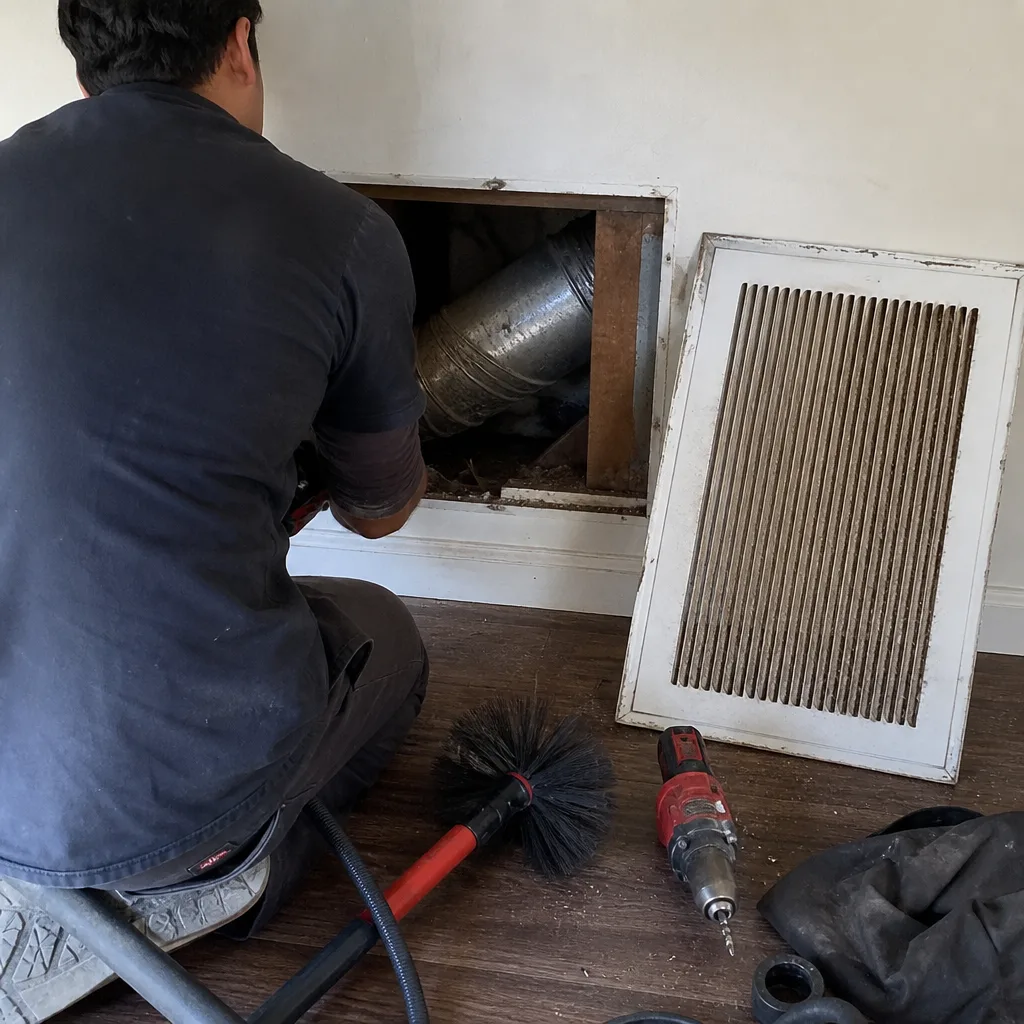 Before
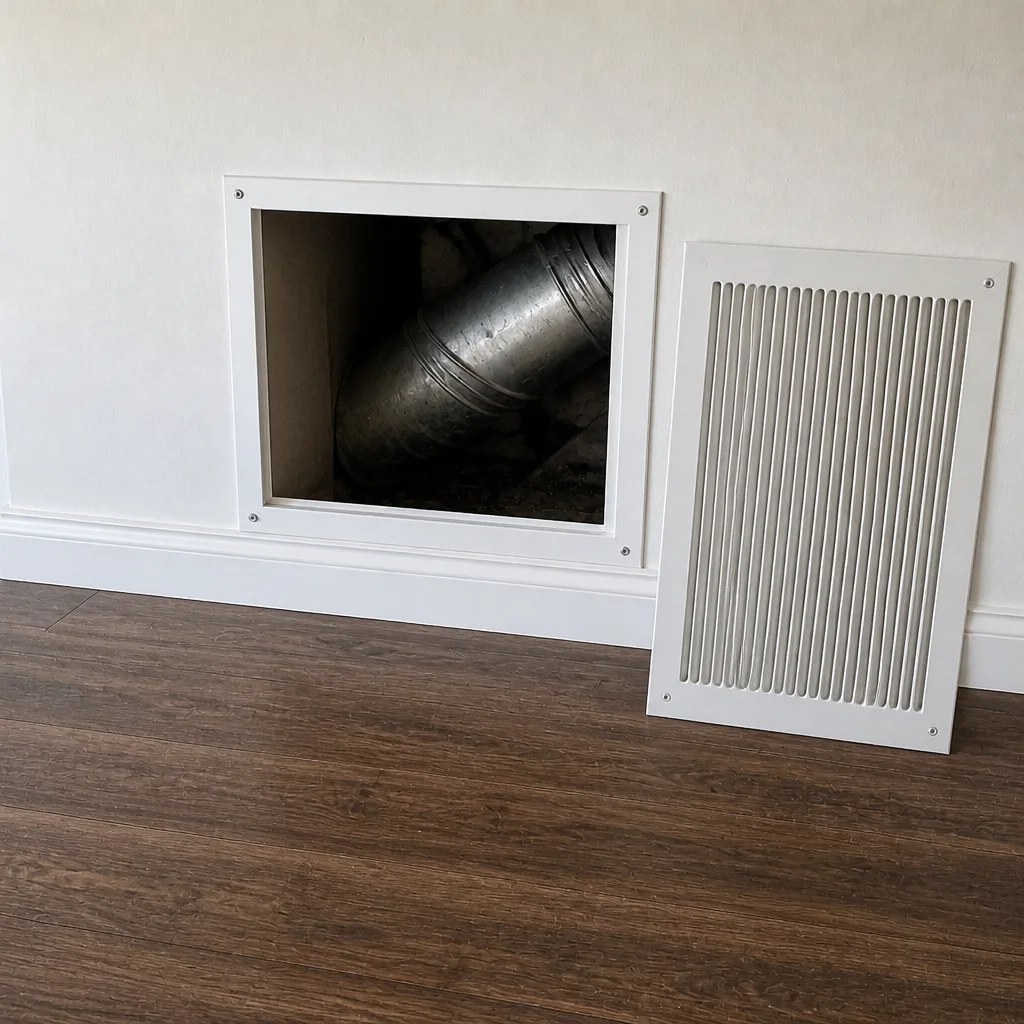 After