
Last updated November 4, 2026
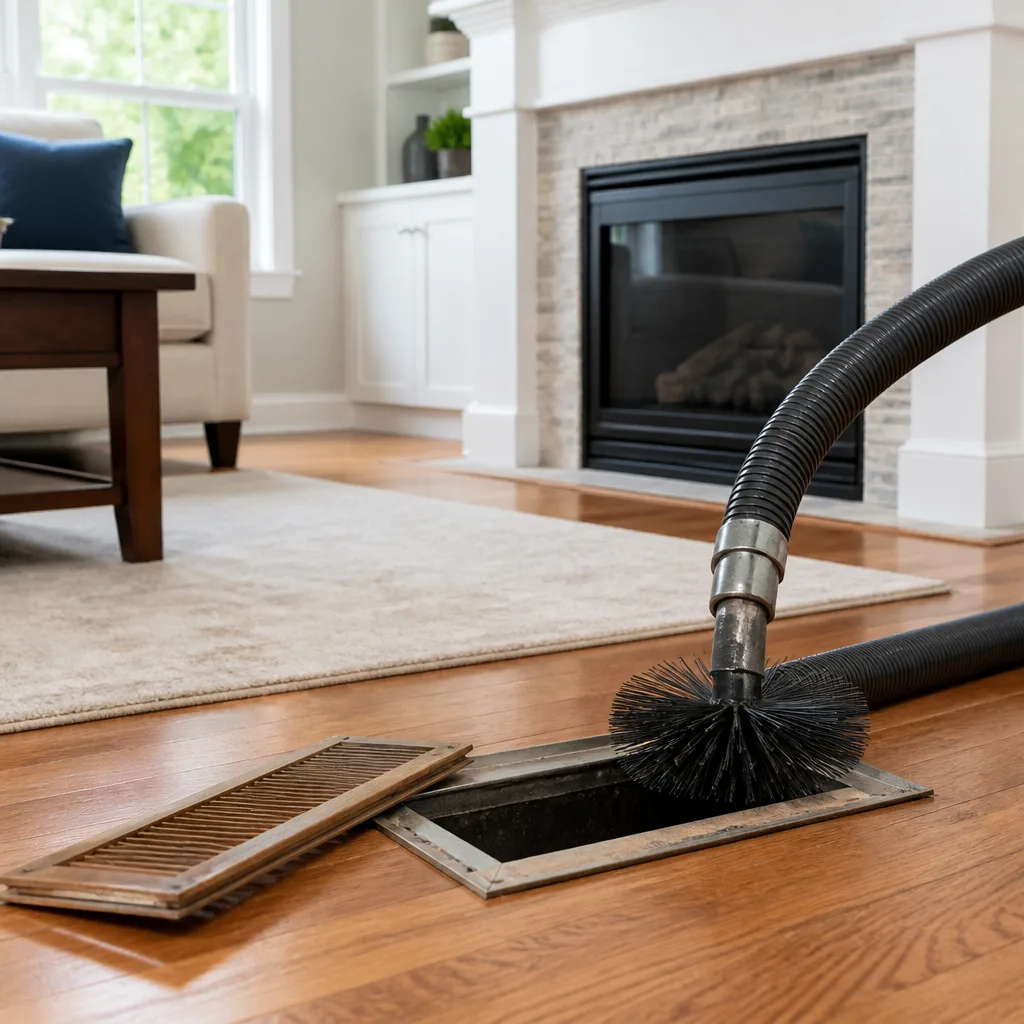 Whole-home duct cleaning
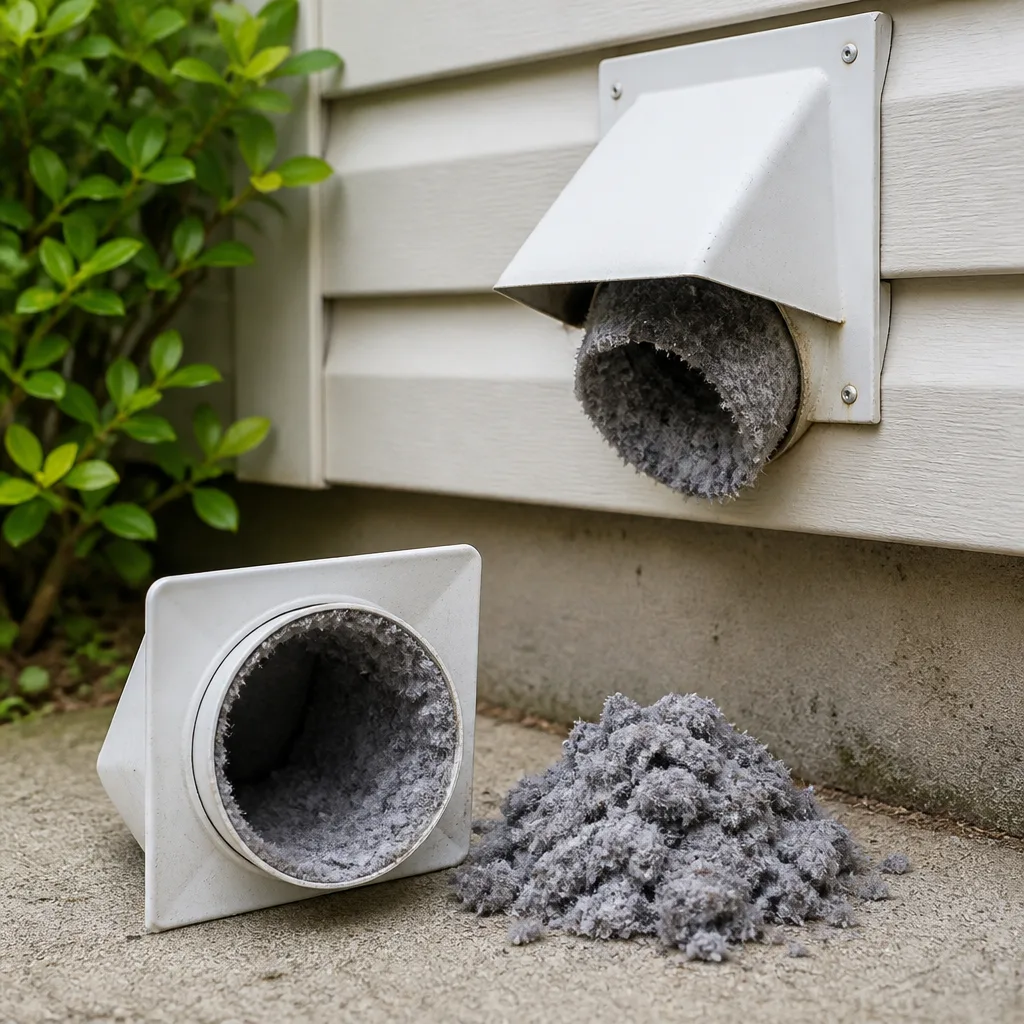 Dryer vent cleaning
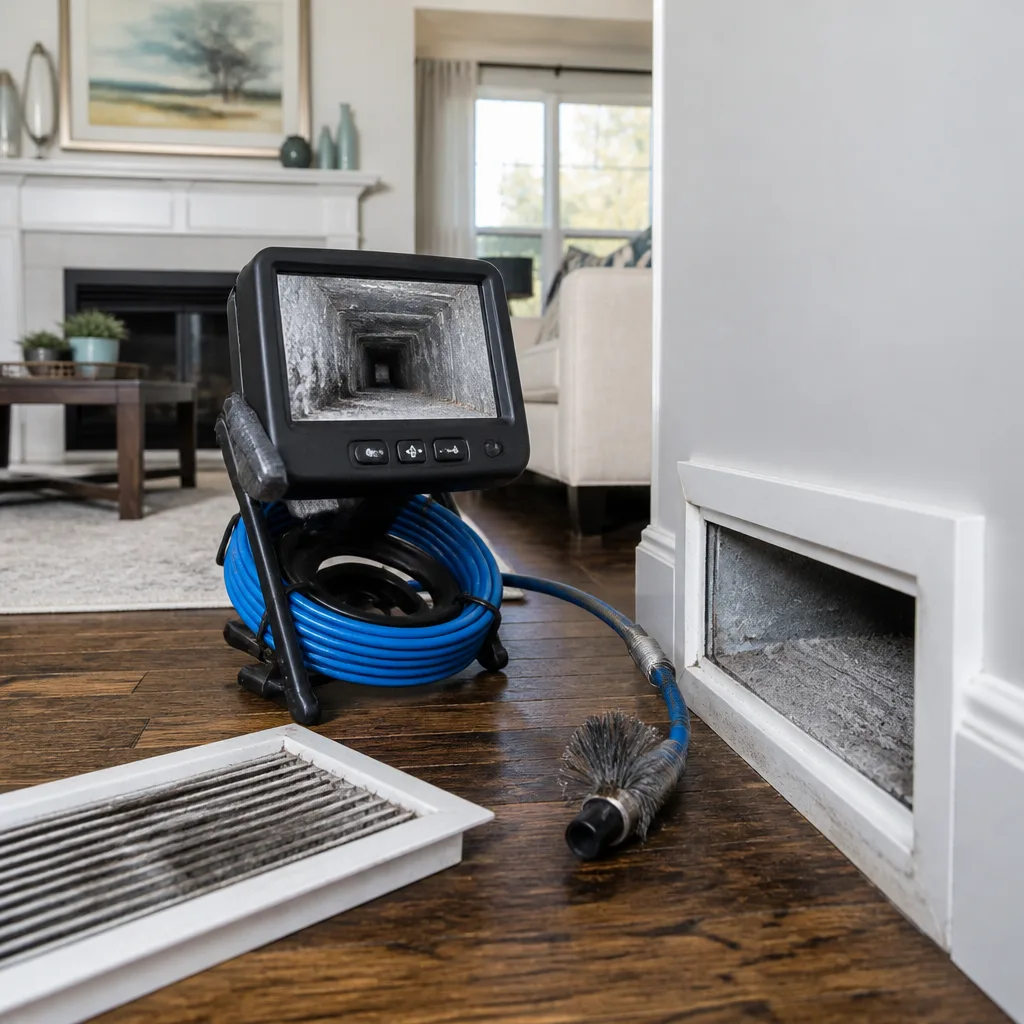 Camera inspection
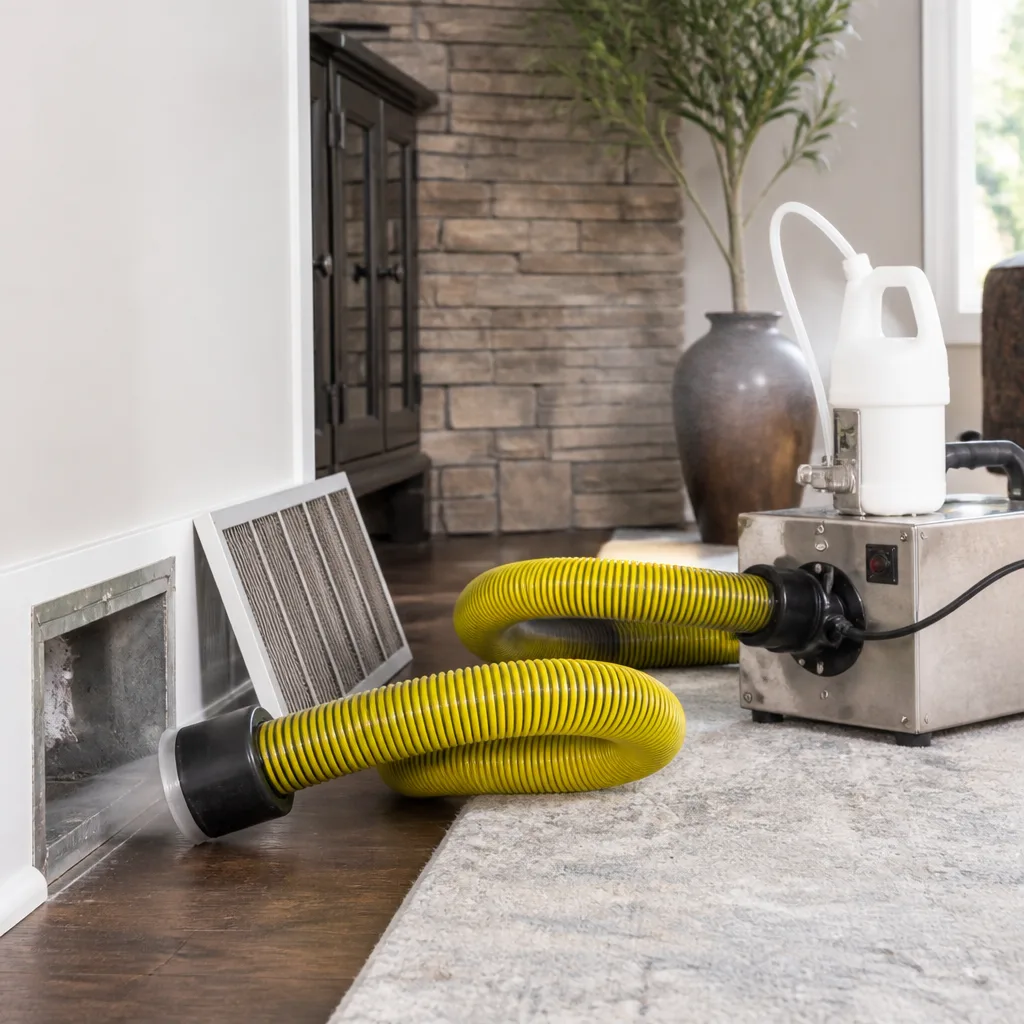 Sanitizing & deodorizing
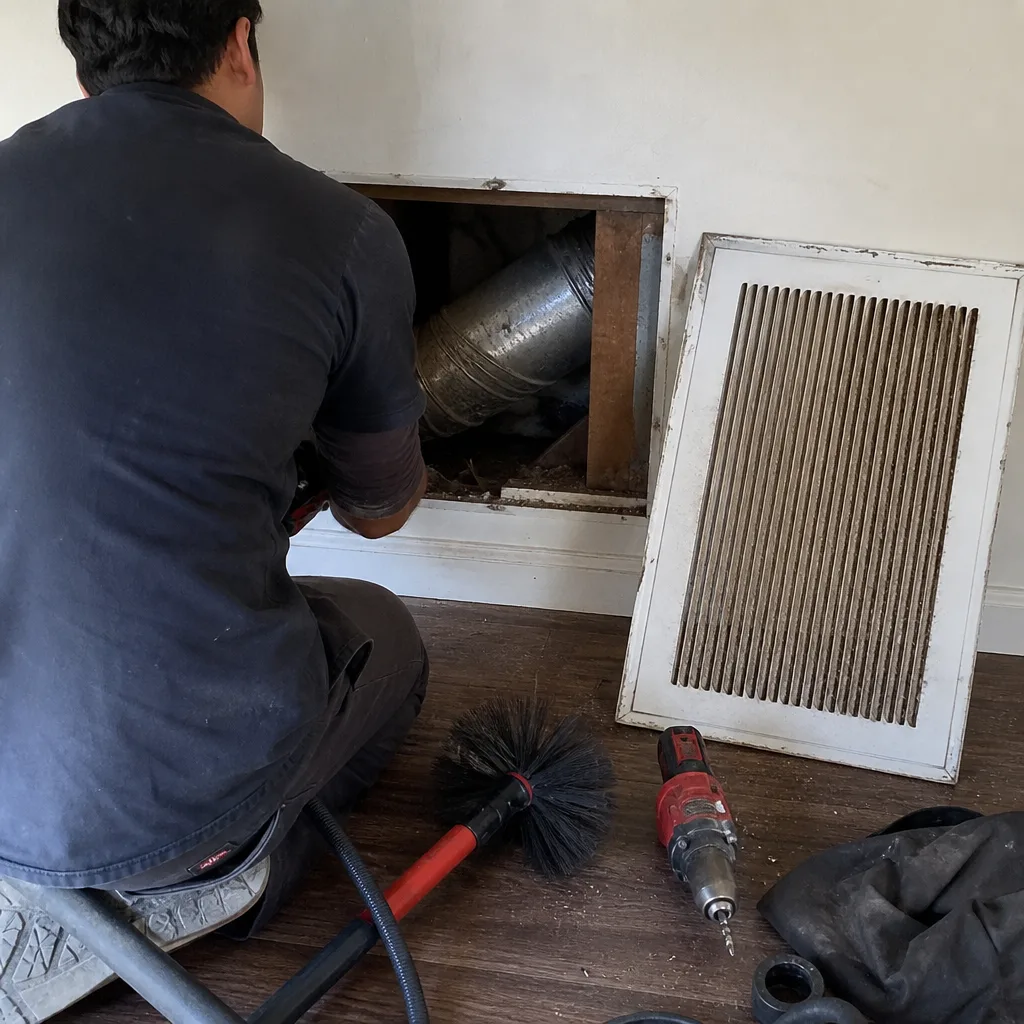
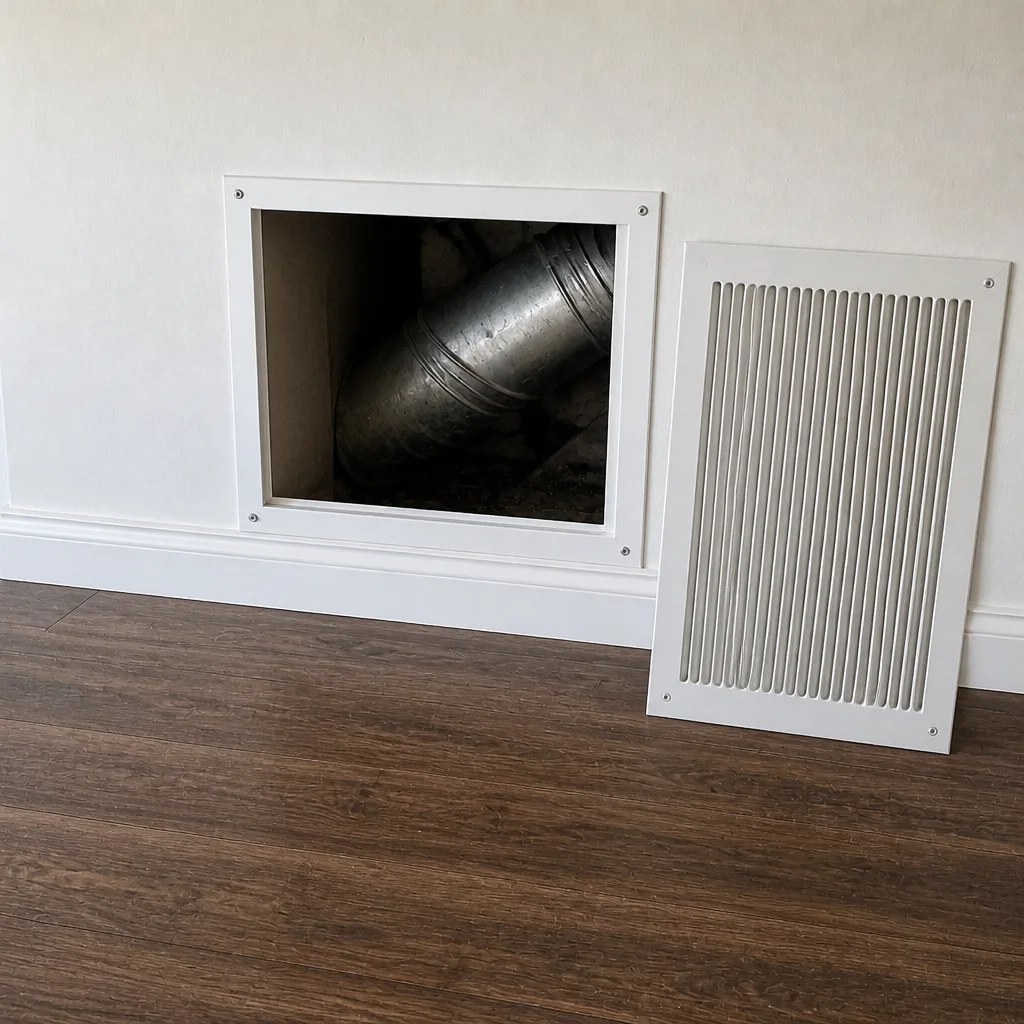
Whole-system duct and dryer vent check with before-and-after photos - you see exactly what came out of your vents
That "$99 whole-house special" is a bait ad - the real number appears once they are in your hallway, or the "clean" is a shop-vac at the register. We photograph the inside of your ducts before and after instead.
The Complete Guide to Air Duct Cleaning in Buena Park
Most Buena Park homeowners assume duct cleaning is about vacuuming dust out of the vents they can see in the floor or ceiling. That’s the visible ten percent. The real job happens behind the walls: the return plenum that pulls air from your living room, the supply trunk lines that push conditioned air back out, the air handler cabinet where the blower lives, and the coil housing that half the industry never touches because it requires removing access panels. This guide explains the full anatomy of what’s actually in your duct system, what a complete cleaning covers, and why the difference between a thorough job and a surface wipe matters for airflow, not just appearances.
Quick Answer
Air duct cleaning in Buena Park means removing accumulated debris from the entire duct system: supply and return runs, both plenums, the air handler cabinet, and the coil housing. A complete cleaning uses truck-mounted or professional portable negative-pressure equipment with contact agitation tools like Rotobrush or Nikro systems, not a shop vac. The goal is restored airflow and a measurably cleaner airstream, not just clean-looking grilles.
Styles & brands we work with
- Whole-home duct cleaning
- Dryer vent cleaning
- Camera inspection
- Sanitizing & deodorizing
Table of Contents
- The Full Duct System: What’s Actually in Your Walls
- Why Santa Ana Wind Season Loads Buena Park Ducts Faster
- What the NADCA Standard Actually Requires vs. What Budget Services Do
- Buena Park’s 1970s-1990s Housing Stock and the Duct Problems Built Into It
- Truck-Mounted vs. Portable: What Each System Can Actually Do
- What a Complete Duct Cleaning Covers, Step by Step
- How Much Does Air Duct Cleaning Cost in Buena Park?
- Common Mistakes to Avoid
- When to Call a Professional
- Frequently Asked Questions
The Full Duct System: What’s Actually in Your Walls
The average Buena Park home has 8 to 12 supply registers, but most duct cleaning crews only clean what’s visible from the grille. They leave the plenum, return box, and coil housing untouched and loaded with debris. To understand why that matters, you need to know what the system actually looks like. A forced-air HVAC system in a typical Buena Park house has five distinct zones, and each one accumulates a different kind of material.
The return side is where air gets pulled back into the system from your living space. This includes the return grille you see in a hallway or wall, the return drop that runs down to the air handler, and the return plenum that connects them. Because return air is unfiltered until it reaches the filter rack, this zone collects the most visible debris: pet hair, carpet fiber, skin cells, and the fine dust that settles out of the air. The return side is also where you’ll find the most dramatic before-and-after difference during a cleaning.
The air handler cabinet is the sheet metal box that houses the blower motor and the evaporator coil. The blower is constantly spinning, which means its fan blades collect a film of dust that reduces efficiency and throws particles back into the airstream. The coil housing sits directly next to it. When the coil condenses moisture during cooling season, that moisture makes the coil surfaces tacky, which means dust sticks to the coil fins like glue. A dirty coil is a dirty air problem that persists even after the rest of the system is cleaned.
The supply side pushes conditioned air back into your rooms. Supply trunk lines branch off into smaller runs that terminate at each supply register. Supply runs tend to be cleaner than return runs because air passes through the filter first, but they’re not immune. In Buena Park homes built in the 1970s and 1980s, supply runs often connect to deteriorated flex duct that sheds fiberglass particles into the airstream.
The plenums, both supply and return, are the transition boxes where trunk lines meet the air handler. Debris that makes it past the filter or enters through leaks in the ductwork tends to settle in the bottom of these boxes. A plenum that’s never been cleaned can hold years of accumulated material, even in a house where the registers look spotless.
Each of these zones requires different access points and different tools. A return drop is wide and deep, so a technician can reach it with a long agitation whip. A supply run in a tight attic space might need a smaller, more flexible tool to navigate the bend. The coil housing requires removing an access panel and working carefully around the fins. When a company prices duct cleaning without asking about your system’s layout, they’re pricing a partial job.
Why Santa Ana Wind Season Loads Buena Park Ducts Faster
In humid climates, airborne dust is heavier because moisture binds particles together and settles them out of the air. Dry desert air does the opposite. It keeps particles light, suspended, and moving. Southern California’s Santa Ana wind season, which typically runs from October through March, pushes dry air from the high desert toward the coast, carrying fine particulate matter through neighborhoods like Buena Park. That means more dust entering your home through windows, doors, and the fresh air intake on your HVAC system. And because the air is so dry, it doesn’t settle quickly. It circulates.
Buena Park sits in a valley climate where Santa Ana conditions are a defining seasonal feature. The winds aren’t a constant, but when they blow, they change what’s in the air. Homeowners often notice more dust on furniture during these months. What they don’t see is the dust that’s being pulled into the return grille and deposited in the duct system instead. A system that was cleaned early in the year can show measurable buildup by the end of wind season.
This is also the season when dryer vents work harder. The same dry air that suspends dust also makes lint lighter and easier to push through a vent, but it also makes that lint more likely to accumulate where the vent turns or dips. A dryer vent that was marginal in the summer can become a real airflow restriction by December. For Buena Park residents, the practical takeaway is this: if you notice more dust in the house during Santa Ana season, it’s also accumulating inside the ductwork, not just on the coffee table.
What the NADCA Standard Actually Requires vs. What Budget Services Do
The National Air Duct Cleaners Association publishes a standard called the ACR, which is the reference document for professional duct cleaning in North America. The ACR standard describes a complete cleaning as one that addresses the entire system, not just the visible portions. It specifies that technicians should clean supply and return ducts, both plenums, the air handler cabinet, coil surfaces, and the blower assembly. It also requires the use of negative pressure containment so debris doesn’t escape into the living space during the work.
What does a budget service actually do? In many cases, the technician connects a portable vacuum to one access point, runs a brush through a few supply runs, and calls the job done in under an hour. The return plenum may get a quick look. The coil housing almost never gets opened. The blower isn’t touched. The job is marketed as “air duct cleaning” but it’s really a partial supply run cleaning with a portable vacuum that lacks the airflow to pull debris backward through the system.
The difference is measurable in airflow, not just in what you can see with a borescope. The NADCA ACR standard exists because partial cleaning doesn’t deliver the result homeowners think they’re paying for. A system that still has debris in the return plenum will redistribute that debris through the supply runs within weeks. A coil that’s never been cleaned continues to reduce system efficiency and hold onto contaminants. When a company quotes a price that seems too good to be true for a full-system cleaning, the missing scope is the reason. They’re not doing more work for less money; they’re doing less work for less money and calling it the same service.
In our experience, the homeowners who call us after a budget cleaning are the ones who asked the right questions too late. Ask a duct cleaning company one question before you book: “Does your price include the return plenum, air handler cabinet, and coil?” If the answer is vague or the tech on the phone doesn’t know what those terms mean, keep looking.
Buena Park’s 1970s-1990s Housing Stock and the Duct Problems Built Into It
Buena Park grew fast in the post-war decades, and a large share of the housing stock dates from the 1970s through the 1990s. Those homes were built well, but they were built with the materials and design assumptions of their era. Duct systems from this period present specific issues that newer construction doesn’t face to the same degree.
The first issue is flex duct degradation. Flex duct is the insulated, flexible tubing used to connect supply trunks to individual registers. It’s convenient to install because it bends around framing and doesn’t require custom sheet metal work. The problem is the inner liner. Over decades, the plastic liner inside older flex duct can dry out, crack, and begin shedding particles into the airstream. The outer insulation, which is typically fiberglass, can also degrade and separate. In a 1970s home in Buena Park that has seen forty or fifty summers of expansion and contraction, flex duct that looked fine twenty years ago may now be releasing material every time the blower runs.
The second issue is undersized return air. Homes built in the 1970s and 1980s were often designed with a single central return or returns that are smaller than what modern ACCA Manual D calculations would specify. An undersized return creates high negative pressure on the return side. High negative pressure pulls more air through leaks in the duct system, and those leaks pull in dust and fiberglass from unconditioned spaces like attics and crawlspaces. The duct cleaning implication is direct: if your return is undersized, your ducts are pulling in more outside material than a properly sized system would, and that material ends up in the plenum and on the coil.
The third issue is duct leakage at connections. Sheet metal ductwork from this era was often sealed with duct tape, which is not actually duct tape. It degrades and falls off. Where connections separate, conditioned air escapes and attic air enters. That attic air carries insulation particles, dust, and whatever else lives in the space above your ceiling. A proper air duct cleaning in an older Buena Park home has to account for this: if connections are leaking, the system will be re-contaminated quickly no matter how thoroughly it’s cleaned. That’s why Duct Cleaning Buena Park handles repair alongside cleaning. You can’t clean a system that’s actively pulling debris through open seams.
Truck-Mounted vs. Portable: What Each System Can Actually Do
The equipment conversation matters because it determines what the service can physically accomplish. There are two broad categories: truck-mounted negative pressure systems and portable units. Understanding the difference helps you evaluate what you’re actually paying for.
Truck-mounted systems use a large vacuum unit mounted in the service vehicle, connected to the duct system through a large-diameter hose. The truck unit creates strong negative pressure, typically thousands of CFM of airflow, which pulls debris backward through the duct system toward the access point. The agitation is done inside the ducts with compressed air whips, brushes, or contact tools. Truck-mounted systems are the standard for whole-home duct cleaning because they move enough air to pull debris from deep in the system, not just from the first few feet of a supply run.
Portable units are smaller, wheeled vacuums that technicians bring inside the house. They can be professional-grade or lightweight consumer units. A professional portable unit, like those designed for restoration contractors, can deliver a legitimate cleaning when operated by someone who knows how to contain the system and use proper agitation tools. What it cannot do is match the raw airflow of a truck-mounted system. Portable units work harder to pull debris from long trunk runs, and the technique matters more. The problem is the other kind of portable unit: a shop-vac connected to a spin brush, marketed as “professional duct cleaning” at a price that reflects the equipment.
Our approach uses purpose-built contact cleaning systems: Rotobrush and Nikro. These are the machines restoration and IAQ contractors trust, not consumer-grade attachments. A Rotobrush head makes physical contact with the duct walls, mechanically scrubbing debris loose while the negative pressure airstream carries it out. A Nikro system does the same with a different agitation approach, which matters because different duct materials respond to different tools. A hard sheet metal trunk needs a firmer contact than fragile flex duct will tolerate. Having both systems means the tool matches the job, not the other way around.
For elevated air-quality concerns, we also stock and work with Abatement Technologies equipment. Abatement makes negative air machines and HEPA filtration units used in contamination and remediation work, not just routine cleaning. The presence of this equipment matters if you’re dealing with a known contaminant issue, a post-renovation dust problem, or a medical condition that requires a higher air-quality standard than a basic cleaning delivers. It’s the difference between moving dust out and capturing particles small enough to evade a standard filter.
On the filtration side, we work with Honeywell and Aprilaire systems. This matters for a practical reason: after a cleaning, the question is what happens next. A duct system is only as clean as the air passing through it, and the filter is the first line of defense. Honeywell makes media air cleaners and Aprilaire makes whole-home filtration systems that slot into the HVAC system, capturing particles before they reach the coil and the supply runs. If you’re cleaning ducts because someone in the house has allergies, a media filter upgrade is often the difference between a clean system that stays clean and a clean system that re-contaminates in a season. We can speak to both, not just the cleaning.
What a Complete Duct Cleaning Covers, Step by Step
A thorough cleaning is a process, not a single pass with a vacuum. Here’s what a complete job looks like when it’s done to the NADCA ACR standard.
- System inspection. The technician accesses the air handler, removes the filter, and inspects the return plenum, blower, coil, and supply trunk. In an older Buena Park home, this is also where damaged flex duct or separated connections get identified.
- Protection and access. Floor protection is laid at each work point. Access holes are cut into the supply and return plenums where they can be properly sealed afterward. Register faces are removed where needed, and the supply and return sides are sealed off to create negative pressure through the zone being cleaned.
- Return side cleaning. The return drop and return plenum are agitated and vacuumed first, since they typically hold the highest debris load. Compressed air and contact tools break debris loose from the walls of the return duct while negative pressure pulls it into the vacuum airstream.
- Air handler and coil cleaning. The blower assembly is cleaned, and the evaporator coil access panel is opened. The coil is carefully cleaned to remove the dust film that’s been reducing efficiency and throwing particles into the supply air. Coil cleaning is delicate work: the fins are soft aluminum and can be damaged with the wrong tool or pressure.
- Supply side cleaning. Each supply run is cleaned individually, working from the register back toward the trunk. The agitation tool is matched to the duct material, and each run is cleaned until the debris flow at the access point stops.
- Plenum and trunk cleaning. The supply trunk and supply plenum are agitated and vacuumed, removing the material that has settled in the bottom of the trunk over years of operation.
- Finishing and verification. Access holes are sealed with patches and mastic or foil tape, not duct tape. The filter is reinstalled or replaced. Before-and-after photos are taken so you can see what was removed, not just take our word for it.
For homes where the inspection turns up damaged duct connections, separated flex, or deteriorated inner liners, the repair work happens alongside the cleaning. There’s no point in cleaning a system that’s pulling attic air through open seams. Dryer vent cleaning is a separate service, but it’s often requested on the same visit because homeowners understand the connection: a clogged dryer vent and a dirty duct system are both airflow problems, and both cost you money in energy and equipment wear.
How Much Does Air Duct Cleaning Cost in Buena Park?
Air duct cleaning in Buena Park is priced per job, not per vent. A complete whole-home cleaning for a typical 3-4 bedroom house generally runs between $450 and $900, depending on system size, the number of returns, and whether the air handler and coil are included. This is the range for a legitimate full-system cleaning performed to the NADCA ACR standard with professional negative pressure equipment. Written estimates set the final price before work starts, and the estimate is free.
Here’s the breakdown of what typically drives the range:
- System size: The number of supply runs and the length of trunk lines. A 1,200 square foot condo is a smaller job than a 2,800 square foot two-story with runs in multiple attics.
- Access difficulty: Attic access with low clearance takes longer than a basement access (rare in Buena Park, where most homes are on slab). Crawlspace returns are slower to work in.
- Coil and air handler condition: A heavily fouled coil requires more time and care than a lightly dusty one. Some coils have never been cleaned in a 30-year-old system, which means the first cleaning is heavier work.
- Contamination type: Post-renovation drywall dust, construction debris, or evidence of rodent activity all require additional care, sometimes different equipment, and more time.
- Repairs, if any: If the inspection finds separated flex, disconnected boots, or a leaking return, repair work is priced and approved separately. This is honest pricing: you shouldn’t pay to clean a system that’s structurally leaking without knowing it.
Why are some quotes so much cheaper? Because they’re quoting a partial job. A $199 whole-home duct cleaning is a supply-run vacuum service, not a full system cleaning. The return plenum, air handler, and coil are almost certainly not included at that price, and the technician likely won’t mention that until after the job is done. One flat price per system, agreed before work starts, with before-and-after photos of your own ducts, is the standard you should hold any company to. Call (855) 684-4139 for a free estimate and a written scope of work.
Common Mistakes to Avoid
- Paying per vent. Per-vent pricing creates an incentive to rush through each register and inflate the count. A flat whole-system price rewards thoroughness and makes the scope clear before work starts.
- Hiring a company that won’t open the air handler. If the coil and blower aren’t part of the quote, you’re paying for half a cleaning. The coil is where the efficiency loss and contamination problems live.
- Accepting a “no access hole” policy. Some companies claim they can clean everything through the registers. They can’t. Proper trunk and plenum cleaning requires access points that get sealed and patched after the work.
- Choosing by price alone in Buena Park’s older housing stock. A 1970s home with original flex duct and an undersized return needs a company that can identify and fix structural problems, not just vacuum what’s visible through the grille.
- Skipping the dryer vent. Dryer vents and HVAC ducts are different systems, but if you’re dealing with airflow and dust problems in the same house, addressing one without the other leaves half the problem in place.
- Not asking for before-and-after photos. The work happens inside your walls. If the company can’t show you what they removed, you’re trusting a verbal claim. Any professional crew should be documenting the job.
- Assuming one cleaning fixes a filtration problem. A clean system with an inadequate filter re-contaminates within a season. If allergies or dust sensitivity are the reason you’re cleaning, plan for the filtration side too.
When to Call a Professional
You need a professional duct cleaning when the visible signs point to problems you can’t fix from the register face: dust on surfaces that reappears within days of cleaning, air that smells stale or musty when the blower runs, rooms that never seem to reach the right temperature, or a return grille that clogs with dust faster than it should. After a floor-level renovation or a long stretch of Santa Ana winds, the system likely holds construction dust and fine particulate that a standard filter can’t catch. Duct Cleaning Buena Park offers free estimates in Buena Park, with the full system in scope: cleaning, dryer vent clearing, and structural duct repair. Call (855) 684-4139. We answer 24/7. Fast dispatch from 7am to 7pm, Sunday through Friday.
Frequently Asked Questions
A legitimate whole-home cleaning typically runs $450 to $900 for a 3-4 bedroom house, depending on system size, access difficulty, and the condition of the coil and air handler. The price is set per system by written estimate before work starts. Call (855) 684-4139 for a free estimate.
Because they’re quoting a partial job. A $199 price usually covers supply-run brushing only, with the return plenum, air handler, and coil left untouched. The full system is what the NADCA standard requires, and it costs more because it takes more time and equipment to do right.
Ask for before-and-after photos of your own ducts, including the return plenum and coil access. Any professional crew working to the NADCA standard should document their access points, the debris removed, and the sealed patches afterward. If a company won’t show you photos, that’s an answer.
Most homes in Buena Park benefit from a full-system cleaning every 3 to 5 years. Homes with pets, allergy sufferers, or a recent renovation may need it sooner. If you can’t see evidence that the system hasn’t been cleaned since the house was built, assume it’s overdue. Buena Park homes built in the 1970s and 1980s often hold decades of accumulated material in the plenum and coil that has never been addressed.
It can reduce the particle load circulating through the house, especially if the coil and return plenum are cleaned, but a clean system re-contaminates without adequate filtration. Upgrading to a whole-home media filter, like the ones Honeywell and Aprilaire make, is often the missing piece for allergy sufferers. We can explain the filtration options alongside the cleaning, so you know what each piece of the system does.
Repair comes first, or at the same time. Cleaning a system with separated connections or torn flex duct is wasted effort because the system keeps pulling debris in through the leaks. That’s why we handle air duct cleaning and repair as one scope of work. You shouldn’t need a second contractor to fix what the first one found.
The Bottom Line
A complete air duct cleaning in Buena Park is a whole-system service, not a vent wipe. It covers the return plenum, supply trunk, air handler cabinet, blower, and coil, not just the registers you can see. The equipment matters: contact tools like Rotobrush and Nikro systems do real work, portable consumer units mostly move surface dust. Buena Park’s housing stock brings its own problems, from deteriorating flex duct to undersized returns, and the Santa Ana season adds particulate load every year. If you’re going to pay for cleaning, pay for the full system. Get a written estimate, ask what’s included, and insist on before-and-after photos. Call (855) 684-4139 for a free estimate.
Written by the team at Duct Cleaning Buena Park, serving Buena Park since 2014.
See the difference
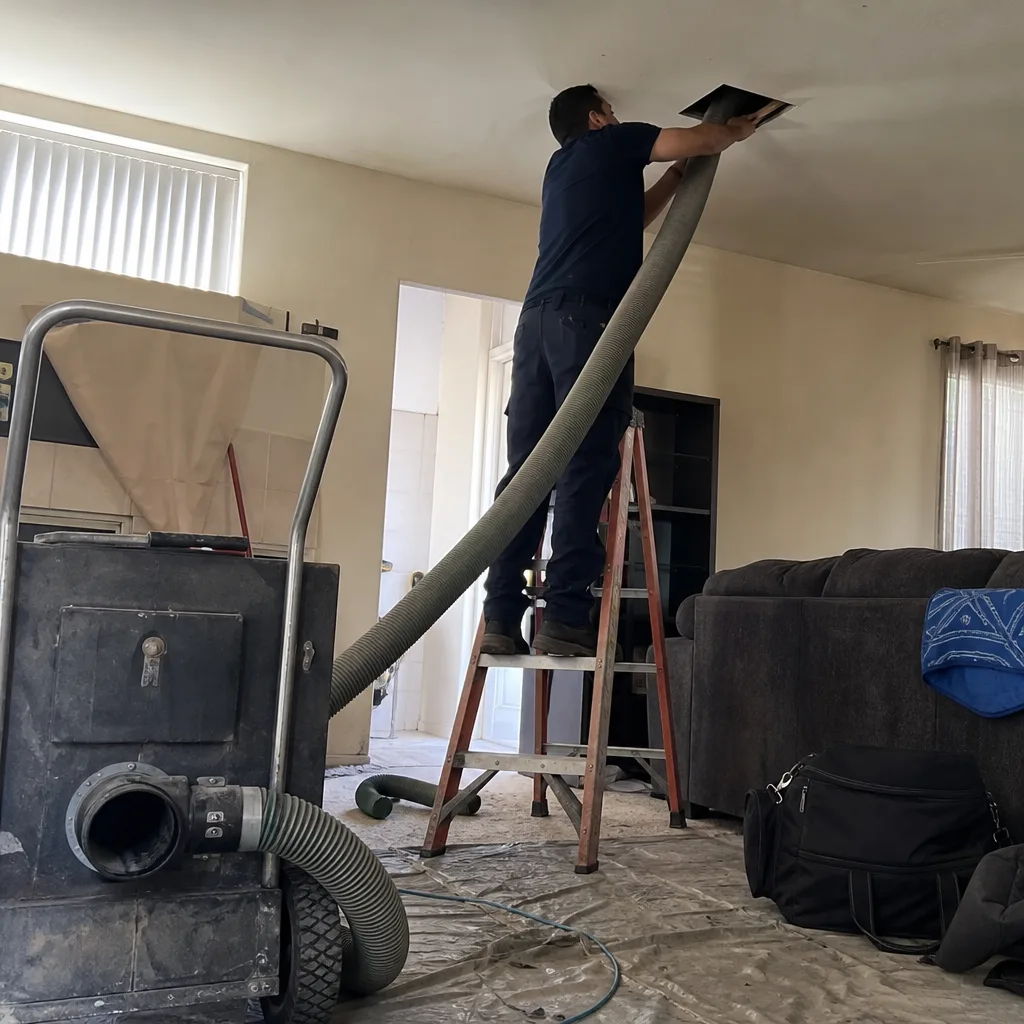 Before
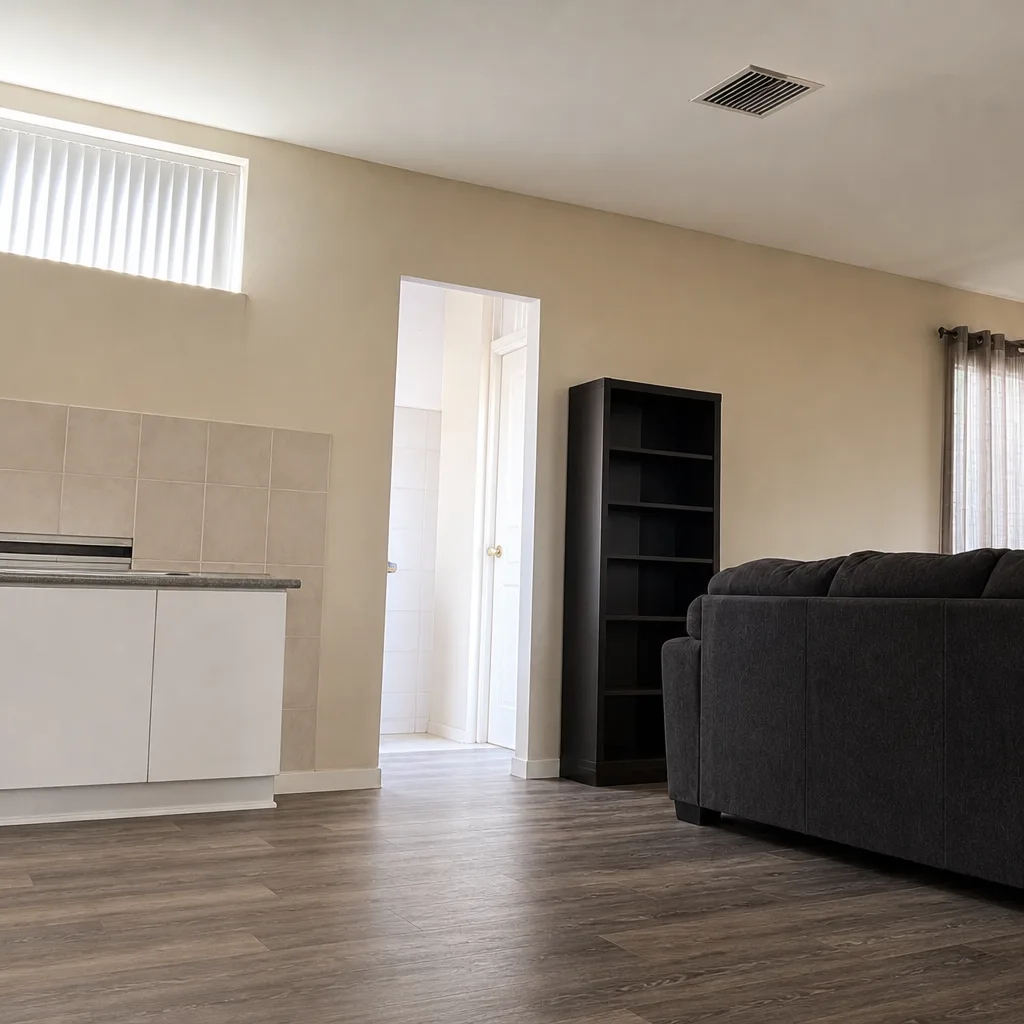 After
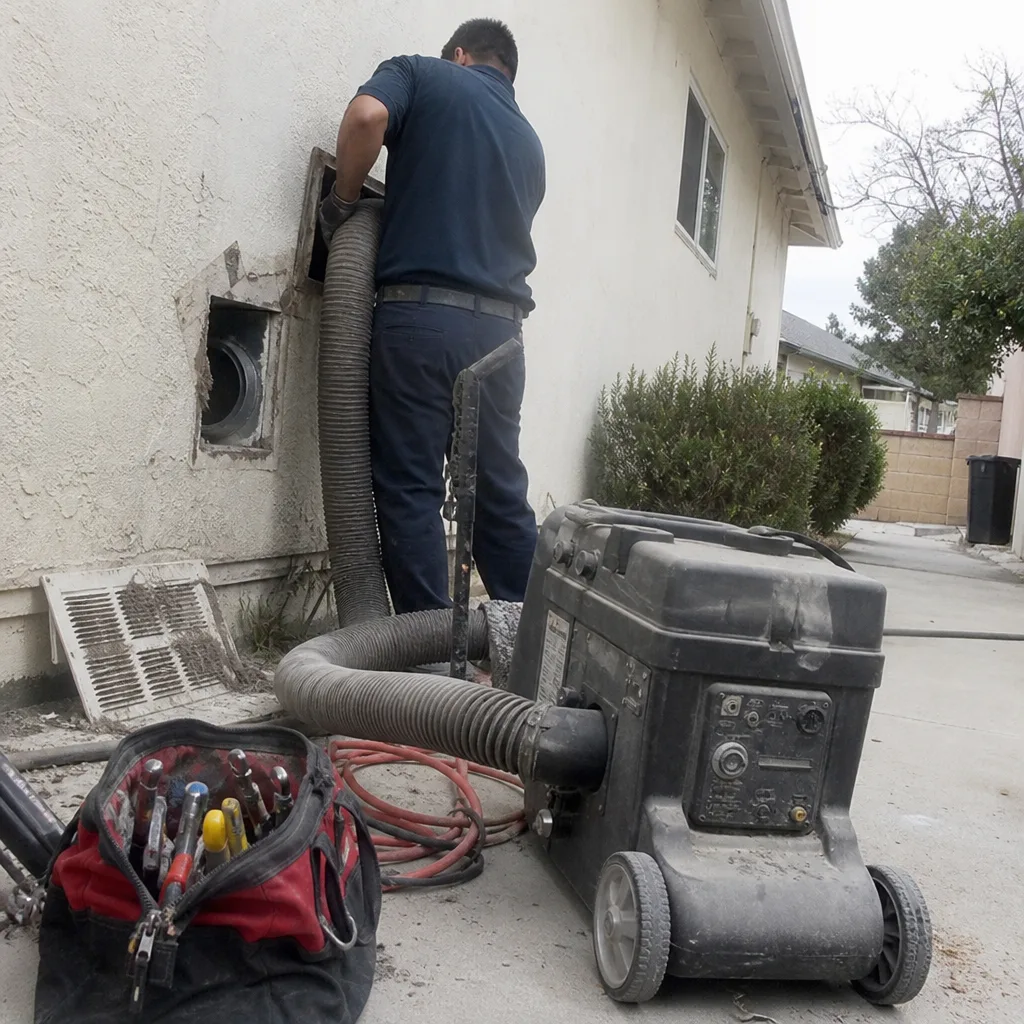 Before
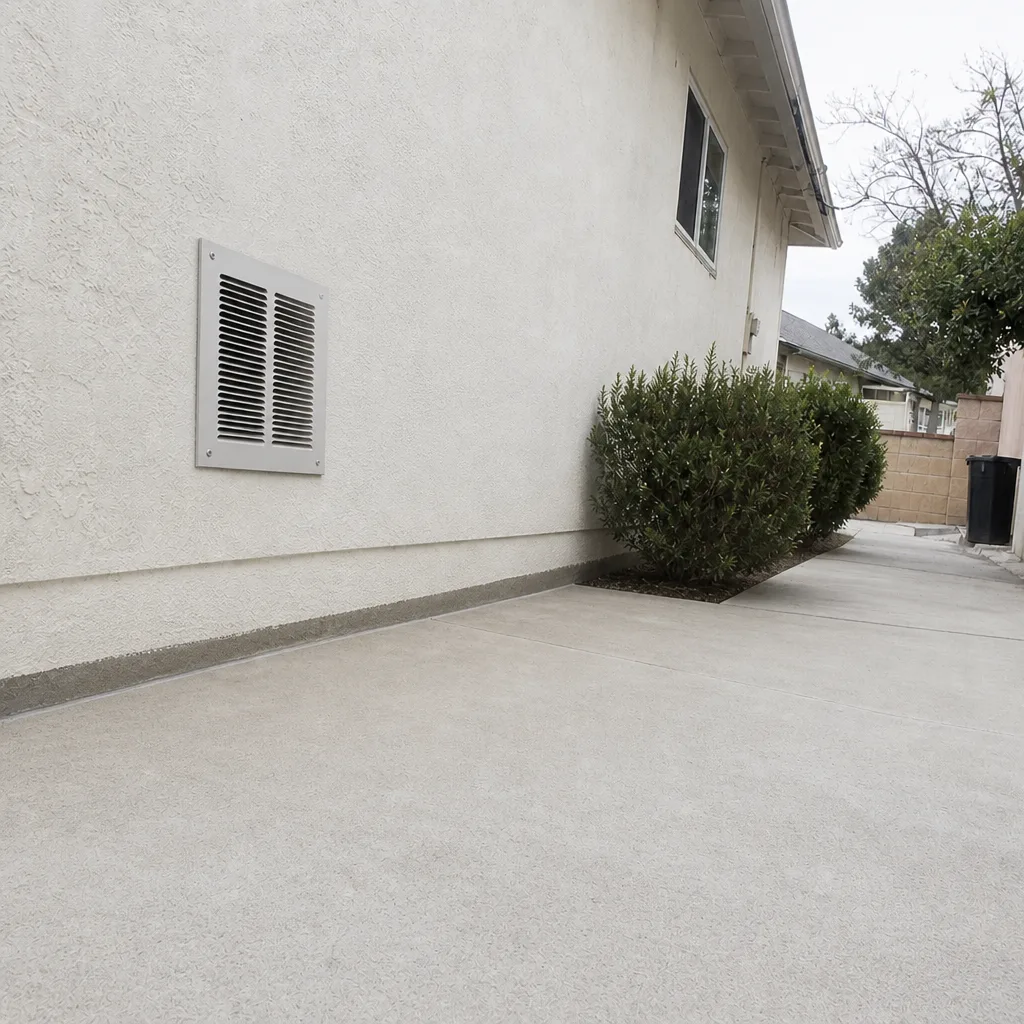 After
 Before
 After